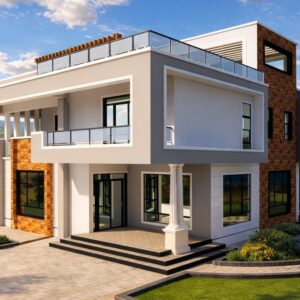
Duplex House Designs Kenya
Download build-ready duplex house plans for Kenya with BOQ samples, county permit checklists, local cost estimates (2025), rental-yield examples and fast quote options — perfect for investors and owner-occupiers.
Introduction
Looking to invest in a duplex house design in Kenya? You’re making a smart move toward maximising your land’s value and securing long-term income. Duplexes are becoming increasingly popular across Kenya because they allow you to build two complete homes on a single plot — ideal for both rental income and multi-family living.
In this guide, you’ll discover everything you need to start your duplex project confidently — from ready-made plans and detailed Bills of Quantities (BOQ) to estimated construction costs, permit requirements, and next-step advice for working with professional architects and contractors. Whether you’re an investor, homeowner, or developer, this guide will help you understand the key benefits and best use-cases of duplex homes in Kenya.
Why build a duplex in Kenya (benefits & use-cases)
Duplex vs maisonette vs apartment: land efficiency & rental returns
A duplex maximises land use by fitting two homes on one plot, making it more space-efficient than a maisonette or apartment block. While maisonettes often suit single families, duplexes offer the flexibility of renting one unit while living in the other — boosting monthly returns. Apartments may have more units, but they come with shared costs and less privacy.
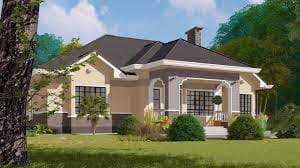
For landowners in Nairobi, Kisumu, or Nakuru, a duplex allows smart vertical development without the heavy management of multi-unit apartments. You get strong rental income potential with a smaller construction footprint.
Who benefits most: investors, extended families, rental + owner-occupier
Duplex homes are ideal for both investors and families seeking flexibility. Investors can develop two rental units at once, ensuring steady income and reduced vacancy risk. Extended families, on the other hand, can live close while maintaining privacy — parents in one unit, children or tenants in the other.
For owner-occupiers, a duplex provides the best of both worlds — a personal home plus a passive income source. It’s also a smart step toward financial independence, especially in Kenya’s growing middle-income areas.
Quick buyer’s checklist (before you buy a plan)
Plot, setbacks, access & service connections checklist (Nairobi vs other counties)
Before buying a duplex plan in Kenya, ensure your plot meets all key requirements. Check plot size and zoning — Nairobi County often has stricter setback and coverage rules than counties like Kiambu or Nakuru. Confirm there’s legal road access, as narrow or shared driveways can complicate duplex approvals.
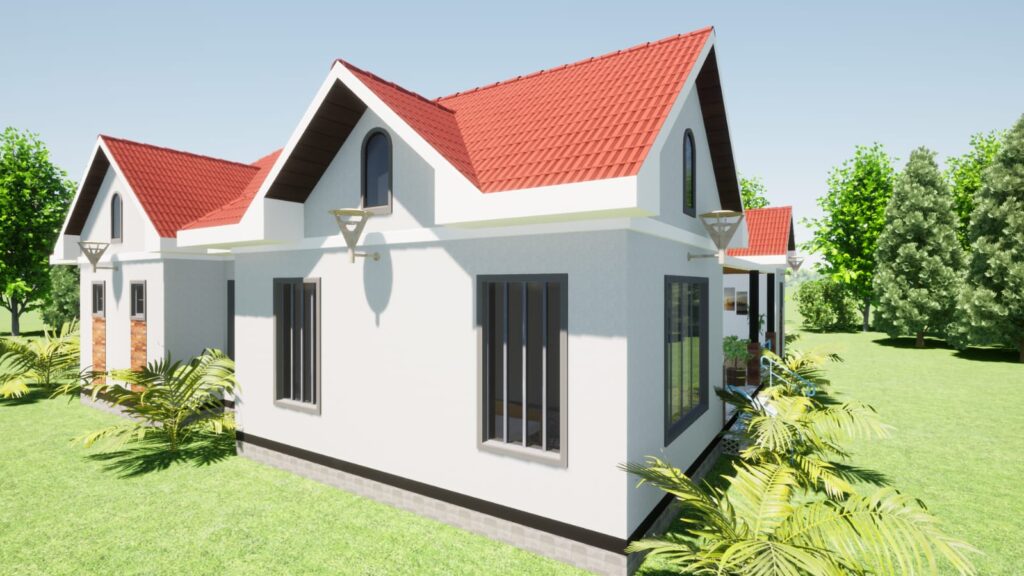
Also, verify the availability of water, sewer, and power lines near your plot. Areas outside major towns may need boreholes or septic systems, which affect your total project cost and plan type. Always ask your architect to check county zoning maps and physical planning guidelines before purchasing any plan.
Finance & target rental yield — quick calculator inputs (sample numbers)
Before committing to a duplex build, evaluate your financial goals. Use a simple formula: (Monthly rent × 12) ÷ Total build cost × 100 = Annual rental yield (%). For example, if each unit rents for KSh 45,000 and the total project cost is KSh 9 million, your yield is around 12%.
Aim for at least a 10% yield for urban duplex investments and 8% for suburban areas. Include financing costs, permits, and furnishing in your total cost. Having these numbers early helps determine whether the investment meets your target ROI.
Ready-made vs custom duplex plans (when to choose each)
What a ready-made plan pack usually includes (plans, elevations, basic BOQ)
Most ready-made duplex plans in Kenya come with key deliverables such as floor plans, front and rear elevations, sections, and a basic Bill of Quantities (BOQ). Some sellers, however, only show the exterior render without revealing what’s included in the plan pack. Always check before you pay.
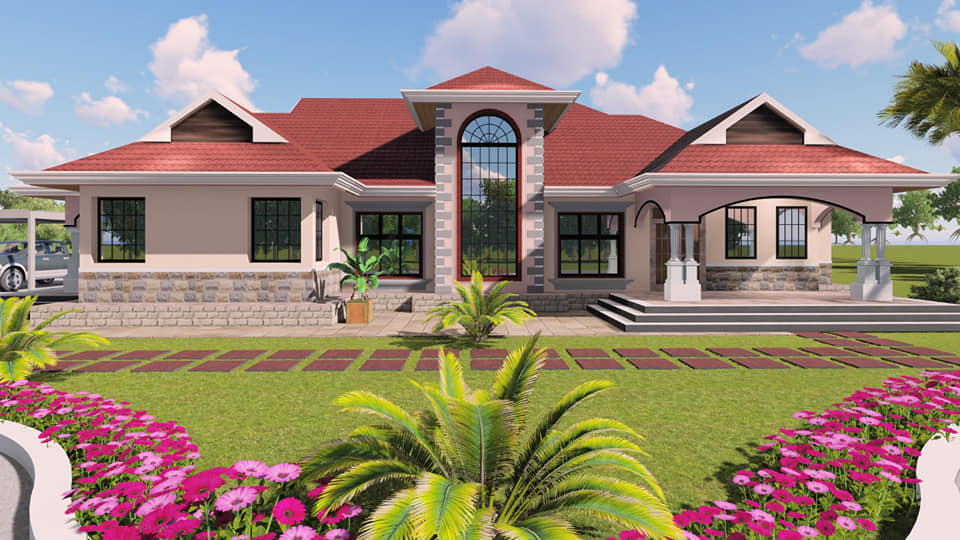
A proper plan pack should clearly indicate the drawing scale, measurements, and file formats (PDF or AutoCAD). Ensure it includes basic structural notes and cost estimates that match your region’s construction rates.
When to order custom (site constraints, soils, sloping plots, local bylaws)
A custom duplex plan is best when your plot has unique features or restrictions. For example, sloping land may require split-level foundations, while soft soils might need raft foundations. Custom designs also ensure compliance with local bylaws that differ across counties.
If your site has irregular shape, poor access, or narrow frontage, a made-to-fit plan prevents costly redesigns later. Customisation also allows for personalised finishes, layouts, and rental goals that standard plans may not accommodate.

Typical duplex layouts & plan types for Kenyan plots
Mirrored 2-bed duplex (rent-first investors)
This is the most common duplex design for small plots and rental-focused investors. Both units are identical, sharing a central wall to reduce material costs. Each unit typically includes two bedrooms, a living area, a compact kitchen, and a shared bathroom.
It’s affordable to build, quick to rent out, and fits comfortably on plots from 40×80 feet. Ideal for investors starting with limited capital and targeting working-class tenants in urban neighborhoods.
3–4 bed owner + rental unit duplex (owner-occupier model)
In this layout, one unit is designed as a larger family home (3–4 bedrooms) while the other serves as a smaller rental unit. This hybrid approach is perfect for owner-occupiers seeking both comfort and passive income.
It balances privacy with profitability — one half for the family, one for tenants. Such plans are popular in areas like Syokimau, Ruiru, and Kisumu where land sizes allow generous layouts.
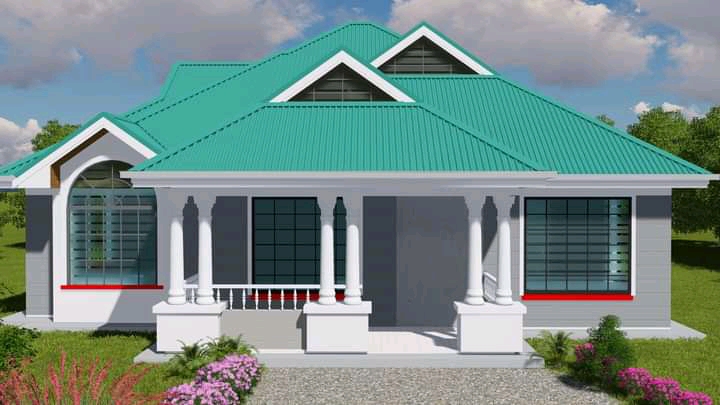
Side-by-side vs stacked units (plot width considerations)
Side-by-side duplexes require wider plots, making them suitable for 50×100 lots or larger. They offer each unit its own entrance and yard, appealing to long-term tenants.
Stacked duplexes, on the other hand, are ideal for narrow plots or where vertical building is cheaper. One unit sits above the other, saving space and improving privacy in high-density zones.
Split-level duplex for steep/sloping terrain (site adaptation)
A split-level duplex uses the slope of your land creatively — each unit sits on a slightly different level. This design saves on excavation costs and enhances natural ventilation and lighting.
It’s ideal for hilly areas like Limuru, Kericho, or parts of Kisii, where flat plots are rare. Custom design is recommended to handle drainage and access differences effectively.
What’s inside a complete plan pack (must-have deliverables)
Architectural drawings (plans, sections, elevations)
These are the backbone of your duplex design. They show all floor layouts, room dimensions, and building heights. A good architectural set also includes detailed sections to visualise the structure from every angle.
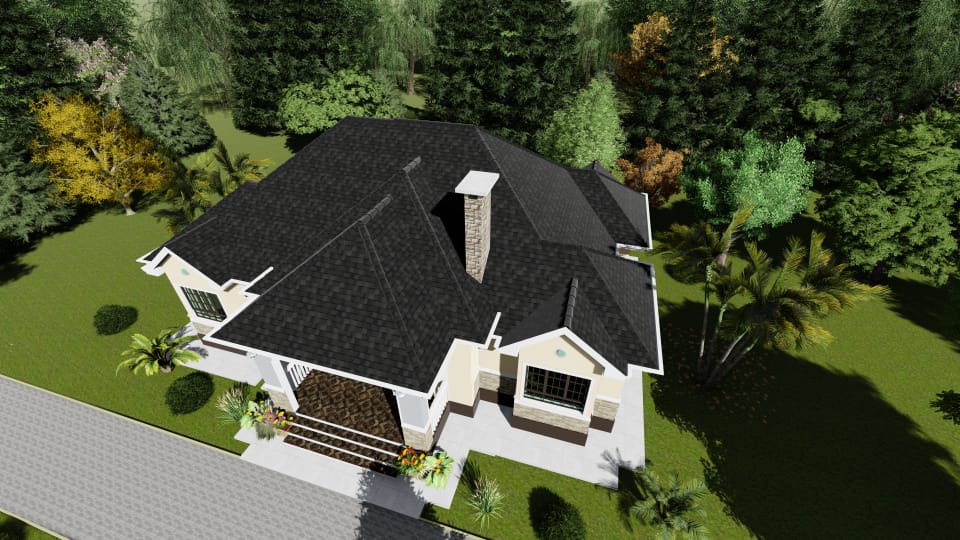
These documents are essential for county approval, accurate costing, and guiding your contractor on-site. Never start construction without them.
Structural drawings & foundation options (strip, raft for soft soils)
Structural drawings detail the building’s skeleton — columns, beams, slabs, and foundation. They indicate how loads transfer to the ground safely. Many cheap plan sellers omit soil or foundation notes, risking structural issues later.
Depending on soil type, your duplex may need a strip or raft foundation. Soft soils and black cotton areas like parts of Nairobi and Kisumu often require raft foundations for stability.
Electrical, plumbing, drainage & septic layout
A complete duplex plan must show wiring routes, switch points, water lines, and drainage systems. These drawings help contractors avoid costly reworks during installation.
For rural sites without sewer connections, ensure your plan includes septic and soak pit layouts that meet NEMA standards. Proper planning prevents future maintenance issues and waterlogging.
Detailed BOQ and sample cost summary (why BOQ matters)
The Bill of Quantities (BOQ) breaks down every construction item — materials, labour, finishes, and fittings — with approximate costs. It helps track budgets and compare contractor quotes.
A good BOQ also allows you to adjust finishes and materials to fit your budget. Always request a cost summary or snippet before committing to a plan pack.
Detailed cost guidance (2025 Kenya) — regional ranges & assumptions
How we estimated build cost (assumptions: sq.m, finishes, labour rates)
Our cost estimates are based on 2025 Integrum Construction data for typical duplex projects. Prices consider regional labour rates, finish levels, and material transport costs. Basic finishes cost less, but location plays a huge role.
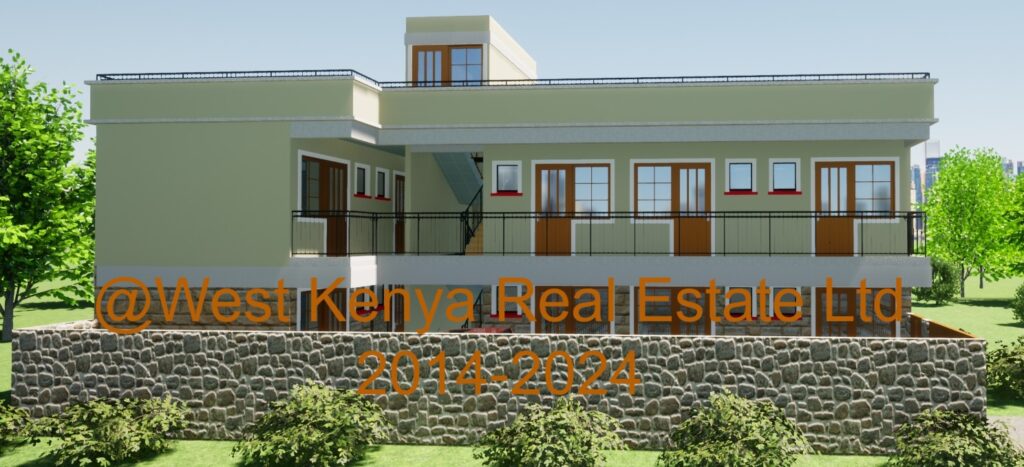
Urban areas like Nairobi and Mombasa have higher labour rates, while rural counties may save up to 15%. These assumptions help ensure accurate, region-specific budgeting.
Cost bands: Basic / Mid-range / Finish-grade examples (sample KSh per sq.m)
As of 2025, expect duplex build costs as follows:
- Basic finish: KSh 35,000–45,000 per sq.m
- Mid-range finish: KSh 50,000–65,000 per sq.m
- High-end finish: KSh 70,000–85,000 per sq.m
A 200 sq.m duplex may therefore cost between KSh 7 million and KSh 13 million depending on finish level and region. Always confirm with a local QS for updated rates.
Value-engineering tips to reduce cost without losing rent appeal
To cut costs, focus on efficient layouts, shared plumbing walls, and standard material sizes. Avoid complex rooflines and unnecessary decorative features that add no rental value.
Use locally available materials and consider precast elements to save on time and labour. Energy-efficient lighting and water fixtures also reduce long-term operating costs for tenants.
County approvals & permit checklist (actionable, by-step)
Development permit — typical requirements per major counties (Nairobi, Kiambu, Mombasa, Kisumu)
Before you start building your duplex in Kenya, a development permit is mandatory, and the requirements vary slightly across counties. In Nairobi County, you must submit your title deed or allotment letter, a site plan drawn to scale, and architectural drawings stamped by a registered architect. You’ll also need structural drawings endorsed by an engineer, a land rates clearance certificate, and NCA registration details for your contractor if the project cost exceeds KSh 5 million. Kiambu and Kisumu counties have similar requirements but may accept combined architectural and structural drawings for smaller residential projects. In Mombasa, authorities often ask for additional drainage and stormwater layouts because of the coastal terrain. Always check your county’s planning department website or visit their physical office to confirm their latest checklist before submission to avoid costly re-approvals.
NEMA & environmental notes (when required) and how to check quickly
For most duplex developments, NEMA clearance is straightforward — but overlooking it can delay your project. If your plot is near a river, wetland, steep slope, or located in an environmentally sensitive area, you’ll need at least a screening report or full Environmental Impact Assessment (EIA). Small duplexes within planned estates may only require a NEMA acknowledgment or exemption letter. To confirm your case, check directly with the NEMA regional office or use their online self-screening form. Always attach NEMA documents to your county application, even if it’s just a confirmation letter, as some counties now require proof of environmental compliance during the first inspection phase.
Utilities, meters & service splits (practical for rentals)
Best practice: separate water & electricity meters vs shared (billing, landlord risk)
For rental duplexes, separate water and electricity meters are highly recommended. They prevent disputes, promote transparency, and allow tenants to control their own consumption. Shared meters can cause tension, especially when tenants feel unfairly billed or when one side uses more power or water than the other. From an investment perspective, properties with independent meters also attract more reliable tenants and higher occupancy rates. If installing separate Kenya Power or Water Company meters is too costly initially, use quality submeters and include clear utility clauses in your tenancy agreements to protect yourself from unpaid bills and misuse.
Sewage options: septic tank sizing, soakaway & drainage planning
Proper drainage and sewage design are critical for duplex projects, particularly in areas without sewer connections. A well-sized septic tank should handle at least three days of wastewater for both units, with overflow directed to a soakaway or biodigester system. Avoid locating tanks too close to foundations or boreholes, as this can cause contamination. Counties like Kiambu and Nakuru require you to show septic and drainage layouts in your submission drawings before approval. Always engage a registered engineer to size your system correctly, considering soil percolation rates and expected occupancy to avoid future flooding or odors.
Build process & phasing (from groundworks to handover)
Typical construction milestones & payment schedule (owner vs contractor responsibilities)
A duplex construction project in Kenya usually follows six key milestones: site clearance and excavation, foundation and slab works, walling and structural frame, roofing, finishes and installations, and final handover. Payments are best tied to these stages — for example, 10–15% upfront mobilisation, 25% after foundation completion, 25% after roofing, 20% after finishes, and 10–15% upon handover. Always retain a small percentage (retention fee) for defect correction after occupation. The owner should supply major materials like tiles or fixtures unless otherwise agreed in the contract. Clear milestone documentation prevents disputes and ensures accountability between owner, contractor, and site supervisor.
Site supervision options (owner-managed vs contractor-managed)
Site supervision determines both the quality and timeline of your duplex build. In owner-managed projects, you hire an architect or clerk of works to inspect progress and approve each stage — this offers transparency but demands time and coordination. Contractor-managed supervision is more hands-off for owners, as the contractor handles daily operations, materials, and labor coordination. However, it’s crucial to verify that the contractor is NCA-certified and to schedule periodic third-party inspections. Independent supervision, even once a week, can prevent costly structural or finishing errors that many unsupervised sites suffer.
Sourcing materials & labour in Kenya (practical tips)
Local material sourcing (blocks, cement, timber alternatives) and where to save
Buying materials locally can save thousands in transport and handling costs. For blocks, use locally manufactured ones that meet KS 02 standards; avoid overly light blocks that reduce wall strength. Buy cement directly from recognised distributors such as Bamburi, Mombasa Cement, or Savannah for consistent quality. In timber-scarce regions, consider steel trusses, composite beams, or treated bamboo as eco-friendly and durable alternatives. For finishes, explore locally made tiles, doors, and cabinetry — they’re affordable and easy to replace later. Always verify supplier credibility and insist on receipts to maintain warranty claims and track your project budget effectively.
Hiring contractors: red flags, contract checklist, warranties — competitors sell plans but not contractor governance guides
Selecting a reliable contractor is one of the most critical decisions in duplex construction. Be wary of anyone without a verifiable office, NCA registration, or portfolio of completed work. Contractors who offer extremely low quotes often cut corners on materials or workmanship. A proper contract should specify timelines, payment stages, material standards, defect liability period, and penalties for delays. Ensure you hold back at least 5–10% retention for warranty purposes, typically valid for 6–12 months after completion. Take time to verify credentials, visit past projects, and sign in the presence of a legal witness before work begins.
Financing, profitability & rental yield examples (worked sample)
Bank loans, SACCOs, developer financing — documentation needed
Most duplex projects in Kenya are financed through a mix of personal savings, bank loans, and SACCO financing. Banks generally require a clean title deed, approved plans, valuation report, and BOQ before releasing funds. SACCOs, though more flexible, may have lower loan limits and require proof of steady income and membership longevity. Developer financing, or joint venture options, allow you to build with reduced upfront cash by sharing profits or ownership later. However, always involve a real estate lawyer to review the agreement and ensure your land and future rental income remain protected under binding contracts.
3 worked rental-yield scenarios (conservative / typical / aggressive) with payback years
Let’s break down practical rental-yield examples.
Conservative scenario: Each unit rents for KSh 30,000 monthly. Annual income is KSh 720,000. With a total build cost of KSh 12 million, your gross yield is about 6%, translating to a 16–17-year payback.
Typical scenario: Rent per unit is KSh 45,000, giving KSh 1.08 million annually. On a KSh 9 million build, the yield is around 12% with an 8-year payback.
Aggressive scenario: Rent per unit is KSh 60,000; annual income KSh 1.44 million. For a total cost of KSh 8 million, your yield hits 18%, with payback in roughly 5–6 years.
These numbers assume full occupancy and exclude maintenance and loan interest. Adjust for vacancy, taxes, and inflation to find your true net return before committing to construction.
Sustainability & low-running-cost features (value-add for tenants)
Solar PV sizing for duplexes, rainwater harvesting & energy-efficient fixtures
When building a duplex in Kenya, integrating solar PV systems can significantly cut power costs for both tenants and landlords. A properly sized 3–5kW solar setup can support essential lighting, appliances, and even small water heaters. Pairing this with rainwater harvesting tanks reduces reliance on municipal water, especially in areas like Kiambu or Machakos where supply can be inconsistent. Energy-efficient lighting, motion sensors, and low-power appliances also appeal to modern renters who value sustainability and lower monthly bills. These features not only reduce running costs but also boost your duplex’s long-term rental and resale value.
Related reads: Low-cost house designs in Kenya, Affordable solar installation tips Kenya.
Water-saving plumbing, passive cooling & insulation tips — a gap many plan shops miss.
Simple design tweaks can lead to huge savings in utilities. Dual-flush toilets, low-flow showerheads, and aerated taps reduce water use by up to 40%, cutting landlord expenses in shared systems. Passive cooling — using cross ventilation, reflective roofing, and wide eaves — minimises the need for fans or AC, especially in hot regions like Mombasa. Insulation under roofs and proper ceiling finishes maintain indoor comfort and prevent heat buildup. These details are rarely included in standard plan packs yet have an outsized effect on comfort, efficiency, and sustainability.
Explore more: Eco-friendly house plans Kenya, Smart home features for rentals.
Legal & tax considerations for rental duplexes in Kenya
Rental income tax basics, withholding taxes, VAT on construction materials (practical pointers)
For landlords, understanding tax obligations is key to avoiding penalties. Rental income in Kenya is subject to a 10% monthly rental tax on gross receipts, payable through KRA’s iTax system. Developers and builders must also consider VAT (16%) on materials and professional services such as architecture or engineering. If hiring contractors, ensure compliance with withholding tax deductions (typically 3%–6%) to stay legally compliant. Proper documentation and receipts also help during property valuation or loan applications.
Further reading: Building permit cost Nairobi, Property tax guide Kenya.
Landlord responsibilities & tenancy agreements (key clauses to include)
A clear tenancy agreement protects both the landlord and tenants. Essential clauses should cover rent amount, payment timelines, maintenance duties, and security deposits. Kenyan law under the Landlord and Tenant Act also requires fair eviction procedures and proper notice before rent reviews. Including provisions for meter readings, repair responsibilities, and penalties for late payments ensures smoother operations. It’s best to have agreements reviewed by a property lawyer to avoid disputes and maintain professional management.
See also: Duplex house designs Kenya, Rental management tips Kenya.
Aftercare, maintenance & resale value tips
Low-cost maintenance schedule for duplex landlords
Keeping your duplex in top condition doesn’t have to be expensive. Create a yearly maintenance checklist that includes painting touch-ups, plumbing inspections, and electrical safety checks. Preventive maintenance, like clearing drainage and sealing roof leaks early, saves money and prevents tenant complaints. Outsourcing routine work to reliable local handymen also frees up your time while maintaining property value. Regular care builds tenant trust and minimizes costly repairs over time.
Learn more: Affordable house maintenance Kenya, Property management checklist.
Small upgrades that increase resale/rental value (kitchen, bathrooms, security)
Strategic upgrades can dramatically improve your duplex’s market appeal. Modern kitchen finishes, granite counters, and tiled bathrooms attract better-paying tenants. Installing security lights, CCTV, and modern gate systems adds perceived value and safety. Even simple landscaping and repainting can enhance curb appeal and justify rent increases. When selling, these upgrades signal a well-maintained, modern property that commands higher offers.
Related content: 4-bedroom flat roof house plans Kenya, Home renovation ideas Kenya.
Sample plan pack (downloadable) — what you get (CTA)
Free preview: 2-bed mirrored duplex plan + sample BOQ (download CTA) — productised CTA for instant conversions
Get a ready-to-download duplex plan complete with a sample Bill of Quantities (BOQ). The pack includes detailed drawings, room dimensions, and a cost breakdown for a 2-bedroom mirrored unit. This helps you visualise how much to budget for materials, labour, and finishes before committing to construction. It’s a perfect resource for first-time builders or investors who want clarity and confidence before starting their project.
Download now: Free duplex plan + BOQ Kenya.
How to request a custom quote: what we need (plot survey, topo, preference form)
For a personalised duplex plan, send your plot survey, topographical map, and preferred layout details. Our team then prepares a custom concept, cost estimate, and architectural drawings tailored to your needs. Whether your goal is a rental unit or owner-occupier home, custom plans ensure efficient space use and compliance with local county bylaws. Once submitted, expect a full proposal within 3–5 working days.
Request a quote: Custom duplex design service, House plan consultation Kenya.
Case studies (real cost & yield) — 3 short examples
Budget duplex on 30×60 plot: layout, final cost, rental income
A compact duplex on a 30×60 plot in Nairobi’s outskirts cost roughly KSh 6.5M to complete. Each 2-bedroom unit rents for around KSh 35,000 per month, translating to KSh 70,000 total monthly income. With minimal finishes and shared parking, the owner achieved full occupancy within two months. The simple mirrored design made it easy to construct and manage, proving ideal for entry-level investors seeking quick returns.
Also read: Low-cost house plans in Kenya.
Mid-range 4-bed duplex: client brief, BOQ, ROI
This project in Kiambu featured two spacious 4-bedroom duplex units with ensuite bathrooms and private balconies. Total construction cost reached about KSh 12M, while monthly rental returns averaged KSh 180,000. The owner implemented solar heating and water harvesting systems, reducing tenant utility costs. ROI was achieved in under seven years, proving that mid-range duplexes balance affordability and long-term profitability.
Learn more: Duplex construction Kenya.
High-end duplex with separate studio: cost drivers & lessons
A premium duplex in Karen with a detached studio unit cost roughly KSh 22M to build. Each duplex rented for KSh 250,000, and the studio added an extra KSh 60,000 monthly. Key cost drivers included imported finishes, large windows, and landscaped grounds. Despite higher upfront costs, this project achieved top-tier returns and strong resale interest from expatriates. The lesson: location and design quality are crucial for high-end profitability.
See similar projects: Luxury house plans Kenya, Modern duplex homes Nairobi.
Conclusion
Building a duplex house in Kenya offers unmatched flexibility, whether for rental income, family use, or long-term investment. From county permits to material sourcing, planning each stage carefully ensures smoother construction and higher profitability. Download our free sample plan or request a custom quote to start your duplex project confidently today.
Next steps: Download duplex plan, Get cost estimate.