
Explore modern bedsitter designs in Kenya with affordable floor plans, cost breakdowns, and rental strategies. Learn about building permits, space-saving interiors, and how to maximise profit from your bedsitter apartments.
Introduction
Bedsitter designs in Kenya are quickly becoming the go-to choice for property investors and first-time landlords. With urban areas facing space constraints and rising rental demand, small yet efficient units like bedsitters offer high returns with minimal land use. Whether you plan to build rental bedsitter apartments or a single unit for yourself, knowing the right designs, costs, and layouts will save you money and attract tenants faster.
In this guide, we’ll explore practical floor plans, cost estimates, legal requirements, and marketing tips to help you build profitable and functional bedsitter units in Kenya.
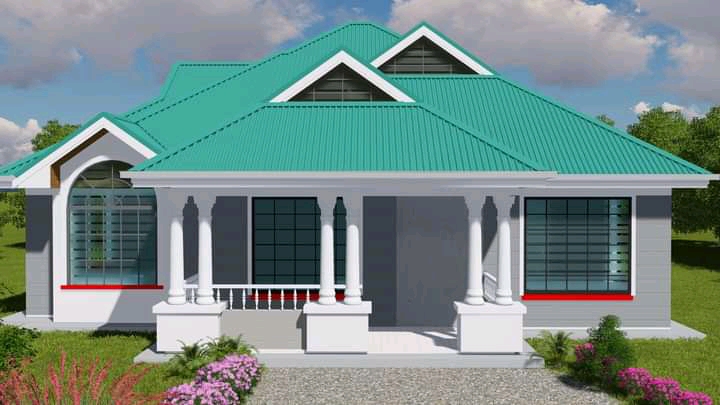
Understanding Bedsitters in Kenya
Bedsitters are self-contained living spaces that combine the bedroom, living area, and kitchen into a single compact unit. They are ideal for students, working professionals, and single occupants seeking affordability and convenience.
These units usually range from 20 to 35 square meters, with designs focusing on efficient use of space. Common plot sizes for bedsitter apartments in Kenya are 30×60 and 50×100 feet, allowing multiple units per compound.
County regulations may influence building heights, setbacks, and plumbing layouts. Before construction, confirm zoning requirements and density limits in your area to avoid costly redesigns.
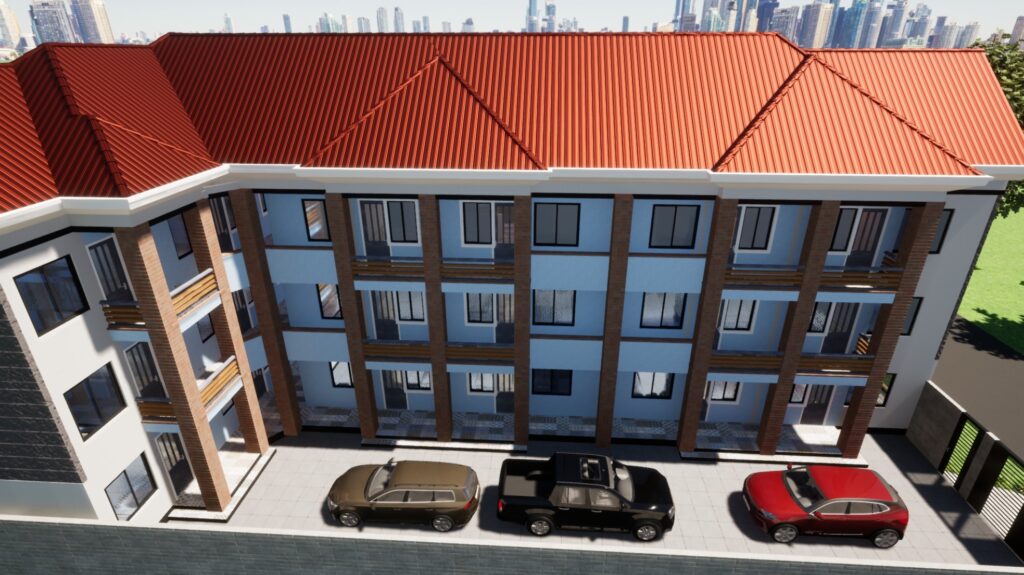
Why Invest in Bedsitter Apartments in Kenya
Bedsitter apartments in Kenya have one of the fastest payback periods in real estate. The increasing urban population, especially in Nairobi, Nakuru, and Mombasa, drives consistent rental demand.
Landlords can achieve up to 12–18% annual rental yield, depending on location and construction quality. For instance, bedsitters near universities or industrial zones tend to stay occupied year-round.
Aside from high returns, bedsitters are easy to manage and maintain compared to larger units. You can start small, building 4–6 units, and scale up as revenue grows.
Key Design Principles for Bedsitter Floor Plans Kenya
Efficient Space Zoning
A good bedsitter design must separate living, sleeping, and cooking areas while keeping them visually open. Use partial walls or furniture to define spaces without making the room feel cramped.
Light, Ventilation, and Safety
Ensure large windows for natural light and airflow. Position the kitchen near a ventilated wall to reduce moisture and odour buildup. Include secure doors and window grills for tenant safety.
Plumbing and Drainage Planning
Compact plumbing design reduces construction costs. Keep bathrooms, kitchens, and utility points close together to simplify installation and future maintenance.
Sample Bedsitter Floor Plans and Layout Options
20–22 Square Meter Compact Plan
This design suits small plots or single-tenant setups. It includes a combined living and sleeping area, a kitchenette, and a bathroom tucked in one corner. It’s ideal for students or workers needing basic amenities.
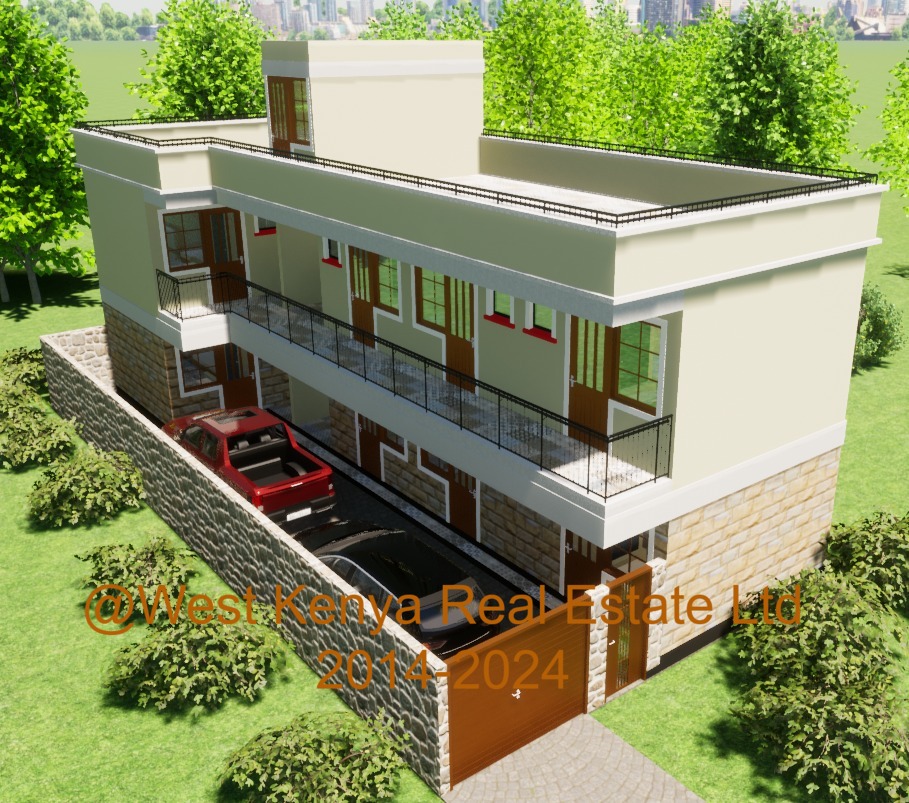
25–28 Square Meter Midrange Plan
Adds comfort and space for a small study or dining corner. With clever storage and lighting, it feels larger than it is and suits young professionals or couples.
30–35 Square Meter Deluxe Bedsitter
Features include a separate shower, a wardrobe space, and even a balcony. It’s the best option for high-end rentals in Nairobi suburbs or gated estates.
Building Costs and Budgeting Tips
Construction Costs per Unit
In 2025, building a bedsitter in Kenya costs between KSh 22,000 and KSh 45,000 per square meter. For a 25 sqm unit, expect about KSh 600,000–1.1 million depending on finishes and location.
Value Engineering Techniques
Save costs by using interlocking blocks, prefabricated roofing, and open-plan designs. Buy materials in bulk and source locally to cut logistics costs.
Budget Planning for Developers
Factor in labour, permits, and contingencies (10–15%) in your total budget. Always include an emergency fund for unforeseen material price hikes.
Permits and Legal Requirements for Bedsitter Construction
Every county government requires architectural, structural, and NEMA approvals before construction. Submit plans through an approved architect or engineer.
NCA Registration and Site Inspection
Contractors must be registered with the National Construction Authority (NCA). Regular inspections ensure the project meets structural and safety standards.
Compliance and Documentation
Keep copies of all permits, approvals, and contractor licenses for future verification. Failure to comply can lead to demolition or penalties.
Interior Design and Space Optimisation
Multi-purpose Furniture and Storage
Use foldable tables, wall shelves, and under-bed storage to save space. Well-arranged furniture makes even the smallest bedsitter feel open and livable.
Finishes That Add Value
Tiles, neutral paint, and LED lighting create a modern look without overspending. Choose durable materials that can withstand frequent tenant changes.
Décor and Color Tips
Bright, light-coloured walls visually expand the space. Add mirrors and natural light to make the bedsitter feel larger and more comfortable.
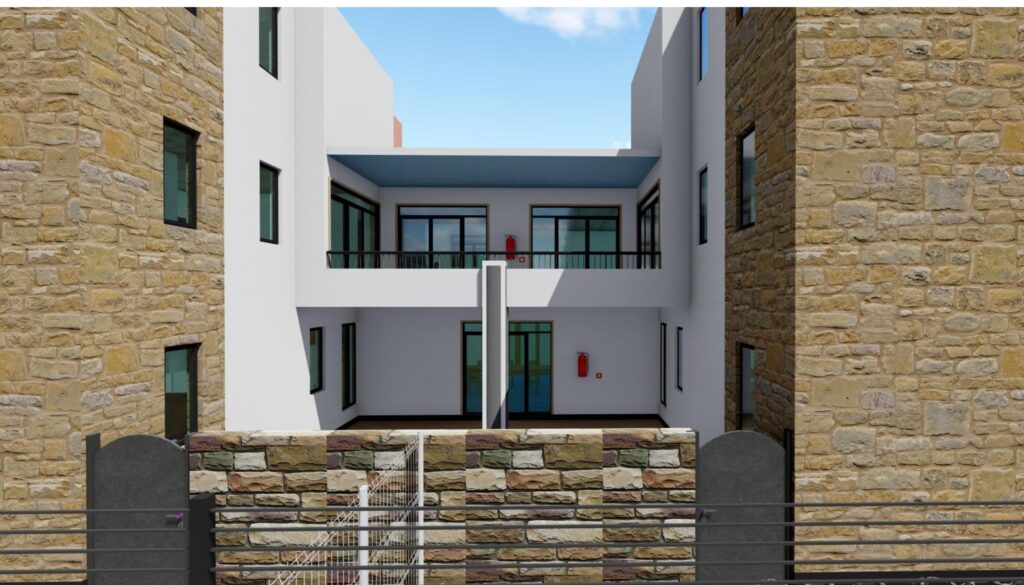
Marketing and Tenant Management
Advertising Your Bedsitter
Use property listing sites, Facebook Marketplace, or WhatsApp groups to reach potential tenants. Include quality photos and a simple floor plan for quick interest.
Pricing Strategy
Compare rental rates within your area before setting prices. Offer incentives like free Wi-Fi or reduced deposit to attract long-term tenants.
Tenant Screening and Maintenance
Run background checks, collect IDs, and create written lease agreements. Schedule regular inspections to maintain the property and ensure tenant satisfaction.
Modern Construction Techniques for Bedsitter Apartments in Kenya
As Kenya’s real estate sector grows more competitive, developers are exploring new construction methods that cut costs and improve build quality. Modern bedsitter designs in Kenya now integrate prefabricated panels, interlocking blocks, and lightweight steel frames to speed up construction and reduce material waste. These techniques help landlords complete projects faster, saving time on labor while maintaining durability. Prefabrication also improves quality control since most components are built under factory conditions before being assembled on-site. The result is cleaner finishes, fewer errors, and a more predictable construction timeline. For investors targeting quick turnovers, these modern systems are ideal. They not only enhance profit margins but also future-proof the property by meeting modern housing standards expected in urban developments.
Prefabricated and Modular Construction
Prefabricated housing systems are revolutionising how bedsitter apartments in Kenya are built. Instead of constructing every wall on-site, sections like walls, floors, and roofing are manufactured elsewhere and assembled like building blocks. This drastically reduces construction time and allows work to continue even during bad weather. Modular systems also make it easier to expand the building later since new units can be added without disrupting existing tenants. Developers using modular techniques report lower maintenance costs due to higher structural precision. Although initial setup costs may seem high, the long-term savings make it worthwhile for serious investors.
Interlocking Block Technology
Interlocking blocks offer a sustainable and affordable option for walls without the need for cement mortar. Each block fits neatly into the next, creating strong, uniform walls that use less water and labour. This method is particularly suitable for rural or peri-urban plots where budgets are tight. Builders also appreciate that interlocking blocks regulate indoor temperatures better than conventional bricks. Maintenance is minimal, and walls can easily be modified in the future if the landlord decides to upgrade or expand the unit. It’s a perfect blend of affordability, eco-friendliness, and efficiency.
Steel Frame Structures for Multi-Storey Units
Steel framing is becoming common for multi-level bedsitter apartments in Kenya, especially on smaller plots where maximising vertical space is essential. Steel provides an excellent strength-to-weight ratio, making it suitable for taller buildings without massive foundations. It also allows flexible interior layouts since fewer support columns are required. The lighter structure means reduced stress on the foundation, saving both material and cost. Though steel requires corrosion protection and skilled installation, it provides unmatched longevity and flexibility. When combined with prefabricated panels, steel-frame bedsitter blocks can be completed in record time with outstanding durability.
Sustainable Design and Green Living in Bedsitter Projects
The shift toward sustainability is transforming how developers approach bedsitter designs in Kenya. Eco-conscious tenants increasingly prefer homes that are energy-efficient, environmentally friendly, and comfortable. Landlords adopting green practices benefit from lower long-term maintenance costs and attract more tenants, particularly young professionals. Sustainable architecture focuses on optimising natural lighting, ventilation, and renewable energy. These features not only save on electricity but also promote a healthier living environment. Over time, energy-efficient designs can significantly boost a property’s value. Green building techniques are no longer luxury — they’re the new standard for future-ready rentals in Kenya.
Solar Integration and Energy Efficiency
Installing solar panels on rooftops of bedsitter apartments reduces electricity bills and makes properties more attractive to tenants. With frequent power interruptions in some regions, reliable solar energy becomes a key selling point. Energy-efficient lighting, motion sensors, and low-consumption appliances further reduce utility costs. Developers can also design roofs at optimal angles to maximise solar gain, ensuring year-round energy supply. Although initial installation is costly, the long-term savings and eco-friendly appeal offer excellent returns on investment. Many tenants now actively seek solar-equipped rentals for both reliability and sustainability.
Water Conservation and Recycling Systems
Rainwater harvesting and greywater recycling are sustainable solutions that lower water bills and support environmental responsibility. Simple gutters and tanks can store rainwater for cleaning or gardening, while filtration systems recycle bathroom water for reuse. Incorporating dual-flush toilets and low-flow taps also reduces wastage. These features resonate with modern tenants who value conservation and cost-efficiency. By adopting such measures, landlords reduce operational costs while gaining a strong reputation for environmental care. Sustainable water systems turn small rentals into eco-smart living spaces.
Use of Eco-Friendly Building Materials
Using locally sourced, low-carbon materials significantly reduces environmental impact. Materials like stabilised soil blocks, bamboo, or recycled metal help achieve sustainability without compromising strength. Paints with low volatile compounds enhance indoor air quality, ensuring safer spaces for tenants. These small material choices create long-term health and cost benefits. As green certification programs expand in Kenya, eco-friendly bedsitter projects are likely to attract premium tenants and incentives. Sustainable design isn’t just ethical — it’s financially strategic.
Property Management and Maintenance for Long-Term Value
Building a bedsitter complex is just the start — maintaining it determines its profitability. Many landlords in Kenya neglect regular maintenance, which eventually drives tenants away and increases repair costs. Consistent property management ensures the building remains functional, safe, and attractive. From plumbing checks to repainting, small efforts preserve structural integrity and brand reputation. Regular maintenance also prevents emergency expenses, helping landlords forecast budgets accurately. Effective management directly translates into tenant loyalty, steady occupancy rates, and reliable cash flow — the ultimate goal of any rental investment.
Scheduled Maintenance and Inspections
Conducting quarterly or biannual inspections allows early detection of leaks, cracks, or electrical faults before they worsen. Engaging professional technicians ensures quality repairs and compliance with safety codes. Keeping a maintenance log helps track costs and plan for replacements systematically. Tenants also appreciate proactive management since it shows reliability and care. Preventive maintenance saves more than reactive fixes, which are often costlier and disruptive. A clean, well-maintained building consistently commands higher rent and positive word-of-mouth marketing.
Handling Tenant Complaints and Feedback
Promptly addressing tenant concerns is crucial for building trust and long-term retention. Complaints about plumbing, lighting, or security should be logged and resolved within a set timeline. Providing multiple communication channels, such as WhatsApp or email, ensures quick feedback collection. Transparency in communication helps reduce disputes and maintains a professional landlord-tenant relationship. Positive experiences often lead tenants to renew leases or refer others. This human-centered management style enhances your brand reputation as a responsible landlord.

Outsourcing Professional Management
For landlords owning multiple units or living far from their properties, hiring a management firm simplifies operations. Professional managers handle rent collection, maintenance, advertising, and tenant relations efficiently. They also ensure compliance with local housing regulations and safety standards. Although they charge a percentage of rental income, the peace of mind and reduced workload often outweigh the cost. Delegating management allows investors to focus on scaling their property portfolio while maintaining consistent service quality.
Financing and Investment Options for Bedsitter Developers
Many aspiring developers in Kenya struggle with financing, yet several options exist to make bedsitter projects achievable. Understanding funding sources can mean the difference between stalled construction and timely completion. From personal savings to joint ventures, banks, and SACCOs, investors can mix strategies to raise capital effectively. Each funding type comes with its advantages and limitations. Evaluating your financial position helps identify the best path without risking debt overload. Whether you’re developing a single plot or a full apartment complex, having a clear financial plan ensures sustainability and profitability in the long run.
Bank Loans and SACCO Financing
Banks and SACCOs offer tailored construction loans, often covering up to 80% of total project cost. To qualify, developers must present approved building plans, cost estimates, and title deeds. Interest rates vary, but SACCOs usually provide more flexible repayment structures. Many local SACCOs support real estate investments, especially for members with consistent savings history. Managing loan disbursements wisely ensures funds are used for construction stages and not diverted. Timely repayments build a strong credit record, paving the way for future expansions.
Joint Ventures and Partnerships
Landowners without capital can collaborate with investors or developers through joint venture agreements. The land acts as equity, while partners provide funds and technical expertise. Profits or rental income are later shared based on agreed ratios. This model benefits both parties by combining resources and minimising individual risk. Clear contracts, drawn by legal experts, ensure transparency and fairness. Joint ventures have become increasingly popular in Kenya’s urban property market, especially for prime plots near universities or commercial centers.
Self-Financing and Phased Development
Starting small and expanding gradually remains a practical approach for many Kenyan landlords. You can build two or three bedsitters first, rent them out, then use the income to fund additional units. This organic growth method minimises debt and builds steady cash flow. It also allows learning through experience, helping you adjust design or management strategies before scaling. Phased construction is ideal for investors balancing limited finances with long-term ambition.
Emerging Market Trends in Bedsitter Designs in Kenya
The real estate landscape is evolving rapidly, and bedsitter designs in Kenya continue to adapt to meet new tenant expectations. Demand is shifting toward more aesthetic, functional, and technology-integrated spaces. Developers who anticipate trends early often enjoy higher occupancy rates and better returns. Key trends include smart home automation, co-living concepts, and flexible rental arrangements. Tenants now seek more than just affordability — they want lifestyle, convenience, and comfort. Staying ahead of these changes ensures your property remains competitive in a dynamic market.
Smart Home Integration
Even small spaces like bedsitters can benefit from smart technology. Motion sensors, smart locks, and Wi-Fi-enabled lights enhance tenant comfort and security. These technologies also make property management easier, allowing remote monitoring of utility usage or entry logs. Landlords can offer smart packages as premium add-ons, increasing rental income. As technology becomes more affordable, incorporating it early gives your project a strong marketing edge. It’s a smart investment in both innovation and tenant satisfaction.
Co-Living and Shared Facilities
The rise of co-living setups among young professionals has changed how developers plan rental units. Including shared laundry, rooftop lounges, or communal kitchens creates a community feel while maximising revenue. Shared spaces encourage social interaction and reduce maintenance costs per tenant. In high-density urban areas, such amenities help bedsitter apartments stand out from the competition. When designed well, co-living areas increase occupancy rates and overall property value. Landlords who adopt this approach appeal to the growing demographic seeking affordable, community-driven living.
Aesthetic Minimalism and Space Psychology
Modern tenants value calm, visually balanced spaces. Minimalist designs with neutral colors, simple furnishings, and clean lines enhance comfort and mental clarity. The psychology of space plays a role in tenant satisfaction — uncluttered rooms feel larger and more peaceful. Using mirrors, natural lighting, and consistent materials promotes harmony within small areas. This design philosophy aligns with Kenya’s growing urban class that desires beauty within practicality. Aesthetics are no longer optional; they are a marketing tool.
Conclusion
Bedsitter designs in Kenya offer an affordable, high-return investment opportunity for both new and experienced landlords. With smart floor planning, efficient construction, and good marketing, you can quickly fill your units and maintain stable income.
By following proper permit processes and using durable materials, your investment will stay profitable for years. Start small, design efficiently, and let your bedsitter apartments grow into a reliable income stream.