
Discover proven cost control strategies in construction projects, including budgeting, KPIs, procurement, and technology to reduce overruns and boost profitability.
Introduction: Why Cost Control Matters in Modern Construction Projects
The construction industry is experiencing unprecedented financial pressures due to rising material prices, labor shortages, supply chain disruptions, and economic uncertainty. Across residential, commercial, and infrastructure projects, construction costs continue to increase, making effective financial management more important than ever. In this environment, implementing effective Cost Control Strategies in Construction Projects has become a critical requirement for ensuring project success and long-term profitability.
Inflation has significantly impacted the cost of essential construction materials such as cement, steel, timber, and finishing products. At the same time, fuel costs, transportation expenses, and labor wages have continued to rise, placing additional strain on project budgets. Without proper planning and monitoring, these factors can quickly lead to budget overruns and reduced profit margins.
Many construction projects exceed their planned budgets due to inaccurate cost estimates, scope changes, poor resource management, project delays, and inadequate financial oversight. Even relatively small cost overruns can accumulate throughout the project lifecycle, resulting in substantial financial losses for contractors and developers.
Cost control is directly linked to project profitability. By monitoring expenditures, managing resources efficiently, reducing waste, and identifying potential financial risks early, project teams can keep costs within budget while maintaining quality and schedule requirements. Effective cost control also improves decision-making, enhances cash flow management, and increases overall project performance.
For contractors, developers, investors, and project owners, cost control is not simply about reducing expenses—it is about maximizing value and ensuring sustainable returns on investment. In today’s competitive construction market, organizations that adopt proactive cost control strategies are better positioned to deliver successful projects, protect profits, and achieve long-term business growth.
What Is Cost Control in Construction Projects?
Definition of Construction Cost Control
Construction cost control is the systematic process of planning, monitoring, analyzing, and managing project expenses to ensure that a construction project remains within its approved budget. It involves tracking actual costs against planned expenditures and taking corrective actions whenever financial deviations occur.
While cost estimation focuses on predicting project expenses before construction begins, cost control is an ongoing activity that continues throughout the entire project lifecycle. From project planning and design to procurement, construction, and project close-out, cost control helps ensure that financial resources are used efficiently and project objectives are achieved without unnecessary expenditures.
Main Objectives of Cost Control
The primary objective of cost control is to maintain budget compliance by ensuring that project expenditures remain within approved limits. Effective cost control also protects profit margins by identifying potential cost overruns before they become significant financial problems.
Another important objective is resource optimization. By carefully managing labor, materials, equipment, and subcontractor costs, project teams can reduce waste and improve productivity. Additionally, cost control contributes to project sustainability by promoting efficient resource utilization and minimizing financial risks that could threaten project completion.
Why Cost Overruns Occur
Cost overruns are common in construction projects and can result from several factors. Poor planning often leads to inaccurate budgets and unrealistic schedules. Scope creep, where project requirements expand beyond the original plan, can significantly increase costs. Material price fluctuations caused by inflation or supply chain disruptions may also affect budgets.
Project delays frequently generate additional labor, equipment, and overhead expenses. Furthermore, labor inefficiencies such as low productivity, poor supervision, and rework can increase project costs and reduce overall profitability. Understanding these causes is the first step toward implementing effective cost control strategies.
The Construction Cost Control Process Explained
Effective construction cost control is a continuous process that helps project teams manage expenses, maintain profitability, and prevent budget overruns. Rather than reacting to financial problems after they occur, successful contractors and project managers follow a structured approach that identifies potential issues early and enables timely corrective action.
Step 1 – Establishing the Budget Baseline
The cost control process begins with establishing a realistic budget baseline. This baseline serves as the project’s financial benchmark and is developed using detailed cost estimates, quantity take-offs, labor projections, equipment requirements, and contingency allowances. Once approved, it becomes the reference point against which all project expenditures are measured.
Step 2 – Cost Planning and Forecasting
After creating the budget baseline, project teams develop cost plans and financial forecasts. This involves allocating costs to specific project activities, predicting future expenditures, estimating cash flow requirements, and identifying potential financial risks. Accurate forecasting allows managers to prepare for changing project conditions and market fluctuations.
Step 3 – Monitoring Actual Costs
Throughout construction, actual project expenses must be tracked regularly. Costs related to labor, materials, equipment, subcontractors, and overheads are recorded and compared against the approved budget. Real-time monitoring helps identify deviations before they become major financial challenges.
Step 4 – Variance Analysis
Variance analysis involves comparing planned costs with actual expenditures to determine whether the project is over or under budget. By analyzing cost variances, project managers can identify the root causes of financial discrepancies, such as productivity issues, material wastage, design changes, or schedule delays.
Step 5 – Corrective Actions
When significant variances are identified, corrective actions must be implemented immediately. These may include adjusting resource allocation, improving productivity, renegotiating supplier contracts, controlling scope changes, or revising project schedules. Timely intervention helps restore financial control and maintain project profitability.
Cost Control Workflow Diagram
Budget Baseline → Cost Planning & Forecasting → Cost Monitoring → Variance Analysis → Corrective Actions → Continuous Improvement
Common Causes of Cost Overruns in Construction Projects
Cost overruns are among the most common challenges in the construction industry. They occur when actual project expenses exceed the approved budget, reducing profitability and potentially jeopardizing project completion. Understanding the root causes of cost overruns is essential for implementing effective cost control strategies and minimizing financial risks.

Inaccurate Cost Estimates
Many construction projects begin with unrealistic budgets due to incomplete project information, inaccurate quantity take-offs, or incorrect pricing assumptions. When initial estimates fail to reflect actual project requirements, budget overruns become almost inevitable.
Design Changes and Scope Creep
Frequent design modifications and uncontrolled scope expansion can significantly increase project costs. Additional client requirements, revised specifications, or changes in project objectives often lead to increased labor, material, and equipment expenses that were not included in the original budget.
Poor Site Management
Ineffective site supervision can result in material wastage, rework, equipment misuse, and low worker productivity. Poor coordination among contractors, subcontractors, and suppliers can further contribute to unnecessary expenses and operational inefficiencies.
Delays and Productivity Losses
Project delays are a major contributor to cost overruns. Weather disruptions, labor shortages, equipment breakdowns, permit delays, and scheduling conflicts can extend project timelines. As construction periods lengthen, labor costs, equipment rentals, and overhead expenses continue to accumulate.
Procurement Inefficiencies
Poor procurement planning often leads to late material deliveries, emergency purchases, and higher procurement costs. Inadequate supplier management can also result in quality issues, project disruptions, and unexpected expenditures.
Inflation and Market Volatility
Construction projects are highly sensitive to fluctuations in material prices, fuel costs, transportation expenses, and labor rates. Inflation and changing market conditions can quickly increase project costs, especially on long-term projects with limited price protection measures.
Unexpected Site Conditions
Unforeseen ground conditions, hidden utilities, environmental issues, or poor soil quality can require additional work and resources. These surprises often lead to schedule disruptions and significant budget increases.
Weak Financial Controls
Without proper cost monitoring, reporting, and approval processes, project managers may struggle to identify overspending early. Weak financial controls reduce visibility into project performance, making it difficult to take corrective action before cost overruns escalate.
Recognizing these common causes enables construction professionals to proactively manage risks, improve budget accuracy, and maintain better financial control throughout the project lifecycle.
10 Proven Cost Control Strategies in Construction Projects
Effective cost control requires more than simply monitoring expenses. It involves implementing practical strategies that help construction teams manage resources efficiently, reduce waste, and maximize profitability. The following proven cost control strategies can significantly improve financial performance throughout a project’s lifecycle.
1. Develop Accurate Project Estimates
Accurate cost estimation forms the foundation of successful cost control. Estimators should use current market rates, detailed project specifications, historical project data, and realistic productivity assumptions. Comprehensive estimates reduce the likelihood of budget shortfalls and provide a reliable basis for financial planning.
2. Conduct Thorough Quantity Take-Offs
Quantity take-offs determine the exact amounts of materials, labor, and equipment required for a project. Errors in quantity calculations can result in material shortages, excessive purchases, and inaccurate budgeting. Using digital take-off tools can improve accuracy and efficiency.
3. Create Detailed Cost Baselines
A cost baseline serves as the project’s financial benchmark. It should break down costs into categories such as labor, materials, equipment, subcontractors, and overheads. Detailed baselines make it easier to track spending and identify variances throughout construction.
4. Implement Earned Value Management (EVM)
Earned Value Management integrates cost, schedule, and project performance measurement into a single system. By comparing planned work, completed work, and actual costs, project managers can identify financial issues early and make informed decisions before problems escalate.
5. Control Scope Changes Strictly
Scope creep is one of the leading causes of budget overruns. Every design change or additional requirement should follow a formal approval process that evaluates its impact on cost, schedule, and resources before implementation.
6. Improve Labor Productivity
Labor often represents a significant portion of construction costs. Improving productivity through proper planning, worker training, effective supervision, and clear communication can reduce labor hours and improve project efficiency. Minimizing rework is particularly important for controlling labor costs.
7. Optimize Equipment Utilization
Construction equipment is expensive to purchase, operate, and maintain. Proper scheduling, preventive maintenance, and operator training help maximize equipment productivity while reducing downtime and repair expenses. Monitoring utilization rates can identify underused assets and opportunities for cost savings.
8. Reduce Material Waste
Material waste directly affects project profitability. Implementing proper storage procedures, accurate ordering practices, quality control measures, and worker training can significantly reduce waste. Recycling and reusing materials where possible can further lower project costs.
9. Strengthen Procurement Planning
Strategic procurement planning ensures that materials and equipment are available when needed without excessive inventory costs. Early procurement also helps secure better prices and reduces the risk of supply chain disruptions that can lead to costly project delays.
10. Negotiate Better Supplier Contracts
Building strong relationships with suppliers can result in more favorable pricing, flexible payment terms, volume discounts, and reliable delivery schedules. Long-term supplier partnerships often provide greater cost stability and improved project outcomes.
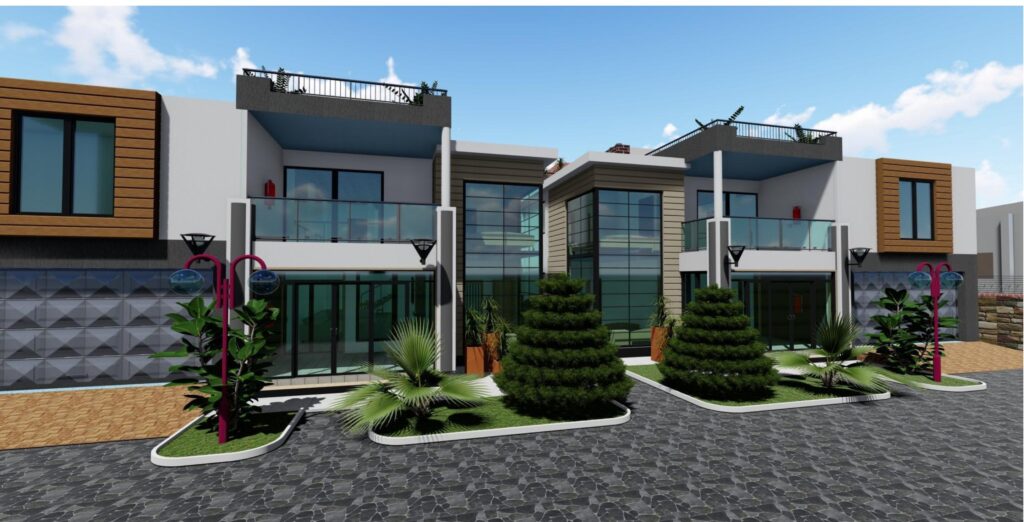
Cost Control Strategies Across the Project Lifecycle
Effective cost control is not limited to the construction stage alone. It begins during project conception and continues through project completion. By applying cost control strategies at every phase of the project lifecycle, construction teams can minimize financial risks, improve decision-making, and maximize project profitability. This lifecycle approach ensures that cost management remains proactive rather than reactive.
Pre-Construction Phase
The foundation of successful cost control is established during the pre-construction phase. Comprehensive feasibility studies help determine whether a project is financially viable by evaluating expected costs, potential returns, market conditions, and technical requirements.
Budget planning is equally important at this stage. Project teams develop preliminary cost estimates, allocate resources, and establish financial objectives. Risk assessment also plays a critical role by identifying potential threats such as inflation, regulatory changes, labor shortages, and supply chain disruptions. Early identification of risks allows for the development of contingency plans and realistic budgets.
Design Phase
The design phase offers significant opportunities to control project costs before construction begins. Value engineering helps identify alternative materials, systems, and construction methods that achieve the desired functionality at a lower cost without compromising quality.
Design optimization further enhances cost efficiency by simplifying layouts, reducing unnecessary complexity, and improving constructability. Early collaboration between architects, engineers, quantity surveyors, and contractors can prevent costly design revisions later in the project.
Procurement Phase
Procurement decisions have a direct impact on project costs. Careful supplier selection ensures that materials and services are sourced from reliable vendors offering competitive pricing and consistent quality.
Contract negotiations can further improve cost control by securing favorable payment terms, volume discounts, fixed-price agreements, and performance guarantees. Effective procurement planning also reduces the risk of material shortages and project delays.
Construction Phase
During construction, daily cost monitoring becomes essential. Project managers should continuously track labor, materials, equipment usage, subcontractor costs, and overall expenditures against the approved budget.
Productivity tracking helps identify inefficiencies that may increase costs. Monitoring workforce performance, equipment utilization, and project progress enables timely corrective action when deviations occur.
Project Close-Out Phase
Cost control continues even after construction is completed. Final cost analysis compares actual expenditures against the original budget to evaluate project performance and identify areas for improvement.
Lessons learned should be documented and shared with future project teams. These insights help organizations refine estimating methods, improve procurement practices, strengthen risk management strategies, and enhance overall cost control performance on future construction projects.
The Role of Technology in Construction Cost Control
Technology has transformed how construction companies manage project finances. Traditional manual tracking methods are increasingly being replaced by digital solutions that provide real-time visibility into project costs, improve forecasting accuracy, and support faster decision-making. Recent industry research highlights Building Information Modeling (BIM), digital twins, and predictive analytics as some of the most effective technologies for controlling construction costs and reducing budget overruns.
Building Information Modeling (BIM)
BIM is a digital representation of a construction project that integrates design, scheduling, and cost information into a single model. It helps project teams identify design conflicts early, improve quantity take-offs, and reduce costly rework.
Benefits: Improved planning accuracy, reduced design errors, better collaboration, and enhanced cost forecasting.
Challenges: High implementation costs, training requirements, and resistance to change.
ROI: Reduced rework, fewer change orders, and improved project efficiency often generate significant long-term savings.
Construction Management Software
Construction management software centralizes project data, budgets, schedules, procurement activities, and financial reports. It enables project teams to track costs and project performance from a single platform.
Benefits: Improved cost visibility, streamlined communication, and faster reporting.
Challenges: Software subscription costs and user adoption issues.
ROI: Better financial control and reduced administrative workload improve operational efficiency.
AI-Powered Cost Forecasting
Artificial intelligence uses historical project data and predictive analytics to forecast future costs and identify potential budget risks before they occur.
Benefits: Improved forecasting accuracy, early risk detection, and data-driven decision-making.
Challenges: Data quality requirements and initial implementation complexity.
ROI: Early identification of cost overruns helps prevent substantial financial losses.
Digital Twins
A digital twin is a virtual replica of a physical construction project that updates in real time using project data and sensor information.
Benefits: Enhanced project monitoring, risk management, and operational planning.
Challenges: High setup costs and advanced technical requirements.
ROI: Improved efficiency and reduced operational costs throughout the project lifecycle.
Real-Time Cost Tracking Dashboards
Dashboards provide live updates on project expenditures, budget performance, productivity metrics, and financial trends.
Benefits: Immediate visibility into cost performance and faster decision-making.
Challenges: Data integration and reporting accuracy.
ROI: Faster corrective actions help minimize cost overruns and improve profitability.
Mobile Site Reporting Tools
Mobile applications enable site supervisors to capture project data, labor hours, material usage, and progress updates directly from the field.
Benefits: Real-time reporting, improved accuracy, and reduced paperwork.
Challenges: Device management and staff training.
ROI: Faster information flow and improved productivity contribute to better cost control.
As construction projects become increasingly complex, technology is no longer optional. Companies that embrace digital tools gain greater control over project costs, improve forecasting accuracy, reduce waste, and enhance overall project profitability.
Tracking the right key performance indicators (KPIs) allows construction managers to identify financial problems early, measure project efficiency, and maintain control over costs. The following KPIs are among the most important metrics for effective construction cost management.

Cost Variance (CV)
Cost Variance measures whether a project is under or over budget.
Formula
CV = EV – AC
EV: Earned Value
AC: Actual Cost
A positive CV indicates the project is under budget, while a negative CV indicates a cost overrun.
Cost Performance Index (CPI)
CPI evaluates cost efficiency.
Formula
CPI = EV / AC
A CPI greater than 1.0 means the project is performing efficiently, while a value below 1.0 signals cost inefficiency.
Budget at Completion (BAC)
BAC represents the total approved project budget.
Formula
BAC = Total Planned Budget
It serves as the financial baseline for performance measurement.
Estimate at Completion (EAC)
EAC forecasts the total project cost at completion.
Formula
EAC = BAC / CPI
This helps managers predict final project costs based on current performance trends.
Labor Productivity Rate
Labor productivity measures output relative to labor input.
Formula
Labor Productivity = Units Completed / Labor Hours
Higher productivity generally results in lower labor costs.
Material Waste Percentage
This KPI tracks material losses.
Formula
Material Waste % = (Waste Material / Total Material Purchased) × 100
Reducing waste improves both profitability and sustainability.
Equipment Utilization Rate
Equipment utilization measures how effectively equipment is used.
Formula
Utilization Rate = (Actual Operating Hours / Available Hours) × 100
Low utilization indicates potential inefficiencies or excess equipment capacity.
By monitoring these KPIs regularly, construction managers can improve forecasting, reduce waste, optimize resource allocation, and maintain stronger control over project finances.
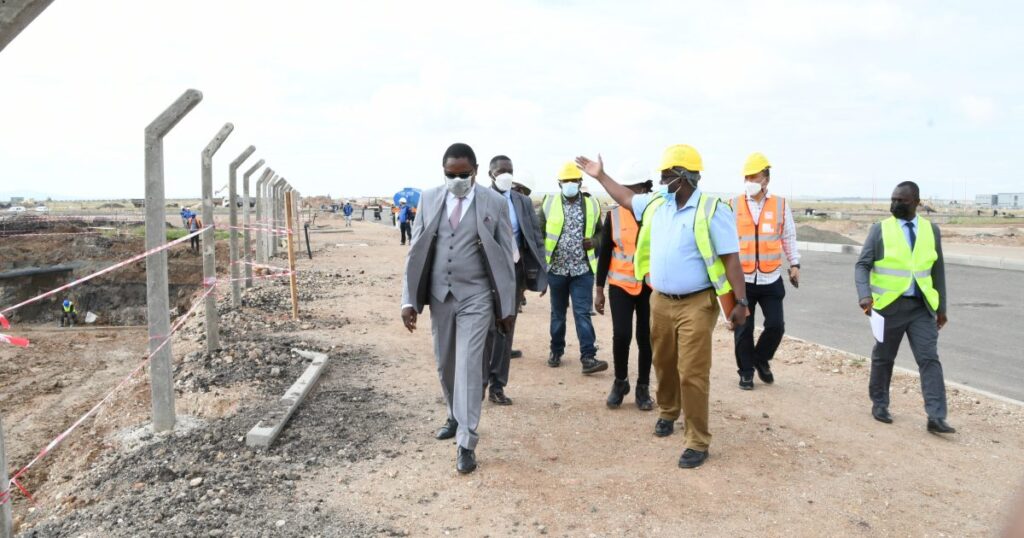
Challenges in Implementing Cost Control Strategies and How to Overcome Them
While cost control strategies can significantly improve project profitability and financial performance, many construction organizations face obstacles when implementing them effectively. Identifying these challenges and addressing them proactively is essential for maintaining budget discipline and achieving project success.
Resistance to Technology
Many construction professionals are accustomed to traditional methods of project management and may be reluctant to adopt new digital tools. Resistance to technology can slow implementation and reduce the effectiveness of cost control systems.
Poor Data Collection
Accurate cost control depends on reliable project data. Incomplete timesheets, missing material records, and inconsistent site reporting can lead to poor decision-making and inaccurate cost forecasts.
Inadequate Training
Even the most advanced cost control systems can fail if employees do not understand how to use them properly. Lack of training often results in errors, reduced productivity, and underutilization of available tools.
Communication Breakdowns
Poor communication between project owners, consultants, contractors, subcontractors, and suppliers can create misunderstandings that lead to delays, rework, and unexpected costs.
Inaccurate Reporting
Delayed or inaccurate financial reports make it difficult to identify cost overruns early. Without timely information, project managers may be unable to take corrective action before financial problems escalate.
Supply Chain Disruptions
Material shortages, delivery delays, transportation challenges, and fluctuating prices can significantly affect project schedules and budgets. Global economic conditions and local market factors often make supply chain management increasingly complex.
Solutions and Actionable Recommendations
Construction companies can overcome these challenges by investing in user-friendly technology and providing comprehensive staff training. Establishing standardized data collection procedures improves reporting accuracy and decision-making. Regular project meetings and clear communication channels help prevent misunderstandings among stakeholders.
Organizations should also implement real-time reporting systems that provide timely financial information and enable faster corrective actions. Developing strong relationships with multiple suppliers, maintaining contingency plans, and procuring critical materials early can reduce supply chain risks. By combining technology, training, communication, and proactive planning, construction firms can strengthen their cost control processes and achieve better financial outcomes across all projects.
Cost Control Strategies for Construction Projects in Kenya
Construction projects in Kenya face unique cost control challenges driven by fluctuating material prices, regulatory processes, labor dynamics, and economic conditions. Implementing localized cost control strategies is essential for ensuring project affordability, efficiency, and profitability in the Kenyan construction environment.
Managing Material Price Fluctuations
Kenya’s construction industry is highly affected by changes in the prices of cement, steel, fuel, and imported finishing materials. To manage this, contractors should purchase materials early, negotiate fixed-price agreements where possible, and maintain strong supplier relationships to secure stable pricing. Bulk purchasing and strategic stockpiling for critical materials can also reduce exposure to price volatility.
Reducing Labor Waste
Labor inefficiencies such as idle time, poor supervision, and low productivity significantly increase project costs. Effective site supervision, proper workforce planning, and clear task scheduling can help improve productivity. Training workers and encouraging accountability also reduces rework and unnecessary labor expenses.
Dealing with Approval Delays
Delays in obtaining permits and approvals from county governments or regulatory bodies can extend project timelines and increase overhead costs. Early submission of documents, engaging professionals familiar with local approval processes, and maintaining regular follow-ups can help reduce administrative delays.
Local Supplier Management
Working with reliable local suppliers helps reduce transportation costs and ensures faster material delivery. However, contractors must evaluate suppliers based on quality, reliability, and pricing consistency. Building long-term partnerships with trusted suppliers can also lead to better credit terms and cost savings.
Inflation-Proof Budgeting
Inflation can significantly impact long-term construction projects in Kenya. To mitigate this, project budgets should include contingency allowances and periodic cost reviews. Using updated market rates during cost estimation helps create more realistic and resilient budgets.
Importance of Quantity Surveyors
Quantity surveyors play a critical role in controlling construction costs in Kenya. They are responsible for cost estimation, budget monitoring, contract management, and financial reporting. Their expertise ensures that projects remain financially viable and that cost overruns are identified and controlled early.
By applying these localized cost control strategies, construction stakeholders in Kenya can better manage financial risks, improve project efficiency, and achieve stronger returns on investment.
Real-World Example: How Effective Cost Control Saved a Construction Project
Project Overview
A mid-sized residential apartment project in Nairobi involving 24 housing units was initially planned with a strict budget and a 14-month completion timeline. The developer aimed to deliver affordable housing while maintaining moderate profit margins in a highly competitive market.
Initial Cost Challenges
Midway through construction, the project began experiencing significant cost pressures. Material prices for cement and steel increased due to market inflation, while unplanned design adjustments led to additional structural work. Poor coordination between subcontractors also resulted in delays and rework, further increasing labor and equipment costs.
Strategies Implemented
To regain financial control, the project management team implemented several cost control strategies. A revised cost baseline was established to reflect updated market conditions. Earned Value Management (EVM) was introduced to track performance more accurately. The team also strengthened procurement planning by sourcing materials in bulk from reliable local suppliers at negotiated rates. In addition, daily site reporting and productivity tracking were introduced to improve labor efficiency and reduce downtime.
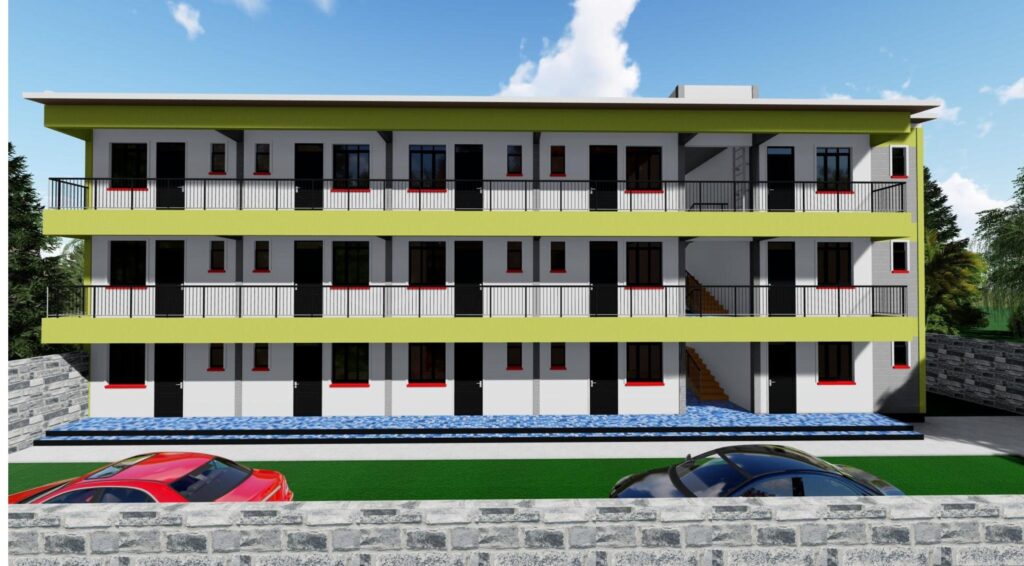
Results Achieved
Within three months of implementing these measures, material wastage was reduced by 18%, labor productivity improved by 22%, and project delays were significantly minimized. Although initial overruns had occurred, the project was ultimately completed within a revised but controlled budget, preserving the developer’s expected profit margin.
Key Lessons Learned
This case demonstrates that effective cost control requires early detection of financial risks, real-time monitoring, and quick corrective action. It also highlights the importance of strong procurement strategies, accurate reporting systems, and disciplined site management. Most importantly, it shows that even when cost overruns begin, structured cost control strategies can still recover project performance and protect profitability.
Construction Cost Control Checklist
A structured checklist helps ensure that cost control is maintained consistently across all project phases, reducing the risk of budget overruns and improving financial discipline.
Pre-Construction Checklist
- Conduct detailed feasibility study and cost analysis
- Prepare accurate quantity take-offs and estimates
- Establish a clear cost baseline and contingency budget
- Identify key project risks and mitigation plans
- Review design for value engineering opportunities
Construction Phase Checklist
- Monitor daily labor, material, and equipment costs
- Track progress using cost reports and KPIs
- Control scope changes through formal approval processes
- Conduct regular site inspections and productivity reviews
- Compare actual costs against budget weekly or monthly
Close-Out Checklist
- Conduct final cost reconciliation and variance analysis
- Review project performance against initial budget
- Document lessons learned for future projects
- Confirm all supplier and subcontractor payments
- Evaluate overall cost control effectiveness
Downloadable Resource Opportunity
For better project management, this checklist can be converted into a printable or digital cost control template to help contractors, site managers, and developers track expenses in real time and maintain financial control throughout the project lifecycle.
Conclusion – How Effective Cost Control Strategies Drive Construction Project Success
Effective cost control is the backbone of successful construction project delivery. Across all project stages, it ensures that financial resources are used efficiently, risks are minimized, and project objectives are achieved without unnecessary overspending. When properly implemented, cost control transforms construction management from reactive problem-solving into proactive financial planning and performance optimization.
Cost planning forms the foundation of every successful project by establishing realistic budgets and financial expectations before construction begins. Budget management ensures that all project expenditures remain aligned with approved financial limits, preventing uncontrolled spending.
Cost monitoring provides continuous visibility into actual project performance, allowing managers to detect deviations early. Procurement control further strengthens cost efficiency by ensuring materials and services are acquired at competitive prices under favorable contract terms.
Risk management plays a critical role in anticipating and mitigating potential financial uncertainties such as inflation, delays, and design changes. Technology adoption enhances accuracy and efficiency through tools like BIM, construction management software, and real-time reporting systems.
KPI tracking enables project teams to measure performance using key metrics such as cost variance and productivity rates. Continuous improvement ensures that lessons learned from each project are applied to future developments, strengthening long-term cost control capabilities.
Cost control is not a one-time activity but a continuous management process that begins during project planning and continues until project completion. Construction companies that implement structured cost control strategies, leverage technology, monitor KPIs, and proactively manage risks consistently achieve higher profitability, fewer budget overruns, improved project performance, and stronger long-term business growth.
In today’s highly competitive construction industry, effective cost control is no longer optional—it is a critical factor that separates successful projects from costly failures. Organizations that master these strategies position themselves for sustainable success, improved investor confidence, and long-term market competitiveness.
CTA (Call to Action)
Need Expert Assistance Managing Construction Costs?
Whether you’re planning a residential home, apartment complex, commercial building, or infrastructure project, professional cost planning and control can save millions in unnecessary expenses. Work with experienced architects, engineers, and quantity surveyors to develop accurate budgets, monitor project expenditures, reduce waste, and maximize project profitability. Contact us today for professional construction cost estimation, project budgeting, quantity surveying, and cost management services tailored to your project needs.