
Step-by-step construction project management guide covering initiation, planning, design, procurement, execution, monitoring, and handover. Learn proven methods to reduce delays, control costs, improve quality, and deliver successful construction projects.
Introduction
Step-by-Step Construction Project Management Guide
Construction projects rarely fail because of a single major mistake. More often, they collapse due to weak coordination, poor planning, delayed decisions, and uncontrolled costs that gradually build up until the project becomes unmanageable. Without structured project management, even well-funded developments can face serious delays, budget overruns, safety issues, and disputes between stakeholders.
This guide breaks down construction project management into a clear, practical workflow that takes you from project initiation all the way to final handover. You will learn how successful projects are planned, scheduled, executed, monitored, and closed with minimal disruption and maximum efficiency.
The step-by-step process covers every critical phase, including feasibility studies, planning and budgeting, design coordination, procurement, site execution, quality control, and project completion. Each stage is explained in a way that reflects real construction site challenges, not just theory.
If you have ever struggled with delays, rising costs, poor communication, or inconsistent workmanship on site, this guide is designed to give you a more structured and reliable approach. Let’s begin by understanding what construction project management really means and why it is the foundation of every successful build.
What is Construction Project Management?
Construction project management is the structured process of planning, coordinating, executing, and controlling a construction project from the initial idea to final completion. It ensures that every phase of a project—whether residential, commercial, or infrastructure—is delivered within scope, on time, within budget, and to the required quality standards.
At the center of this process is the construction project manager. This professional is responsible for overseeing all site and off-site activities, coordinating stakeholders such as architects, engineers, contractors, suppliers, and clients. The project manager ensures that work progresses smoothly, resources are used efficiently, and any issues are resolved before they escalate into costly delays.
Unlike general management, which focuses broadly on business operations, construction project management is highly technical and site-specific. It deals directly with physical building processes, safety regulations, material logistics, and engineering coordination. This makes it more complex and detail-driven compared to typical organizational management.
Key responsibilities include planning the project scope, developing schedules, controlling costs, managing risks, and ensuring strict quality assurance throughout the build. Effective planning prevents confusion on site, scheduling ensures timely execution, cost control protects the budget, risk management reduces unexpected disruptions, and quality assurance guarantees compliance with standards.
In modern construction, effective project management is critical because projects are larger, more expensive, and more technically demanding than ever before. Without it, even minor coordination failures can lead to significant delays, financial losses, and structural quality issues.
Why Construction Project Management Matters (Industry Reality)
Construction project management is not just a formal requirement—it is the difference between a successful project and a failed investment. Industry reports consistently show that a large percentage of construction projects worldwide experience delays, while many also exceed their original budgets due to poor coordination and weak planning. These challenges are especially common in developing construction markets where oversight systems may be inconsistent.
Most project failures can be traced back to a few recurring issues. Poor planning leads to unrealistic timelines and underestimated costs. Weak communication between contractors, consultants, and clients results in misunderstandings, rework, and delays. Lack of supervision on site often causes poor workmanship, material wastage, and safety risks that further slow down progress.
The consequences are significant. Financially, cost overruns can strain investors, increase borrowing needs, and reduce project profitability. Legally, disputes between stakeholders may lead to contract claims, arbitration, or even project abandonment. In severe cases, structural defects can result in long-term maintenance liabilities and reputational damage.
This is why construction project management is essential across all types of developments—whether residential apartments, commercial buildings, or large infrastructure projects. It provides structure, accountability, and control throughout the entire lifecycle of a project.
To understand how these challenges are effectively managed in real projects, it is important to break down the process step by step, from initiation to final handover.
Step 1 – Project Initiation and Feasibility Study
The first and most critical stage in construction project management is project initiation and feasibility study. This phase determines whether a project should proceed, how it should be structured, and what risks must be addressed before any financial or technical commitment is made.
It begins with identifying the project need. This could be driven by market demand, client requirements, investment opportunities, or infrastructure gaps. At this stage, the main goal is to clearly define what is to be built and why it is necessary.
Next is the feasibility study, which evaluates the project from three key perspectives: technical, financial, and legal. Technical feasibility checks whether the proposed design can be realistically built using available materials, technology, and expertise. Financial feasibility assesses whether the project is economically viable, including estimated costs, funding sources, and expected returns. Legal feasibility ensures the project complies with zoning laws, building codes, environmental regulations, and land ownership requirements.
Site evaluation is then carried out to assess soil conditions, accessibility, topography, drainage, and surrounding infrastructure. This helps determine whether the location is suitable for construction and what design adjustments may be required.
Stakeholder identification is also crucial. This includes investors, clients, consultants, contractors, local authorities, and end users who will influence or be affected by the project.
An early risk assessment is conducted to identify potential challenges such as cost escalation, regulatory delays, or environmental concerns.
The output of this stage is the project charter, a formal document that authorizes the project and outlines its objectives, scope, key stakeholders, and high-level requirements. This serves as the foundation for all subsequent planning and execution activities.
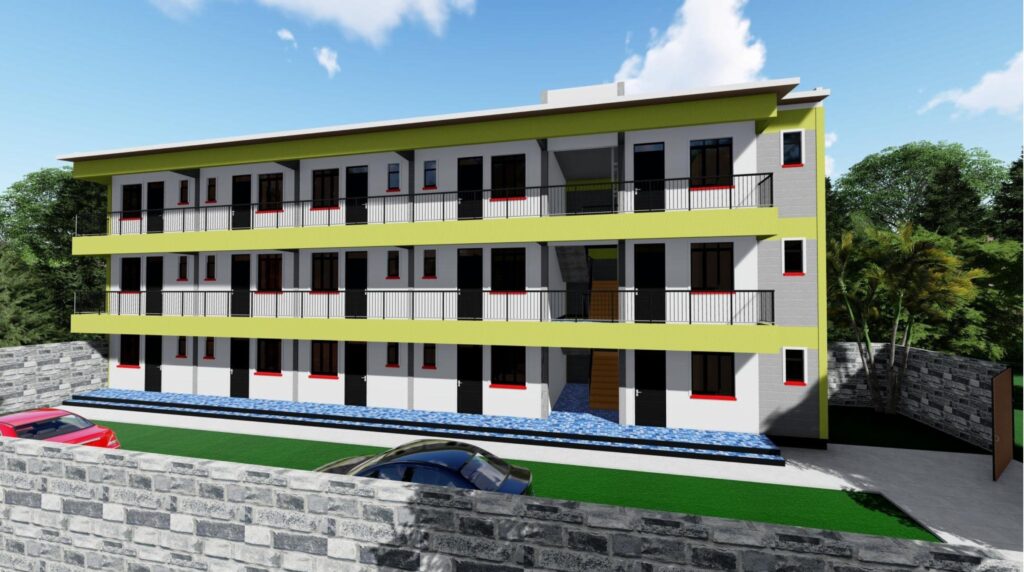
Step 2 – Project Planning and Scope Definition
Project planning and scope definition is the backbone of successful construction project management because it translates the initial idea into a clear, actionable roadmap. At this stage, the project team defines exactly what will be built, how it will be delivered, and what resources will be required to achieve the desired outcome.
The first key task is defining the project scope clearly. This involves outlining the exact boundaries of the project—what is included and what is excluded. A well-defined scope prevents scope creep, where uncontrolled changes lead to delays and increased costs.
Next is the development of a Work Breakdown Structure (WBS). This is a systematic breakdown of the entire project into smaller, manageable tasks and sub-tasks. It helps teams understand deliverables, assign responsibilities, and track progress more effectively throughout the project lifecycle.
Budget estimation follows, where all anticipated costs are calculated, including materials, labor, equipment, permits, and contingencies. Accurate budgeting is essential to ensure financial control and avoid cost overruns later in the project.
Timeline creation is then carried out using scheduling tools such as Gantt charts or critical path methods. This defines project milestones, task durations, and dependencies between activities, ensuring smooth workflow sequencing.
Resource allocation involves assigning manpower, machinery, materials, and consultants to specific tasks based on availability and expertise. Proper allocation ensures efficiency and minimizes downtime on site.
At the same time, contractor and consultant planning is done to identify the right professionals for execution, supervision, and technical support.
Overall, detailed planning at this stage significantly reduces delays, improves coordination, and ensures that the project moves into execution with a clear, structured, and realistic roadmap.
Step 3 – Design and Documentation Phase
The design and documentation phase is where the construction concept is transformed into detailed technical plans that guide actual execution on site. This stage ensures that every element of the project is properly designed, coordinated, and approved before construction begins, reducing the risk of costly changes later.
It starts with architectural design, where the overall appearance, layout, space usage, and functionality of the building are developed. Architects focus on aesthetics, user experience, and compliance with zoning and planning requirements.
Next is structural design, which ensures the building is safe, stable, and capable of carrying all expected loads. Structural engineers design foundations, beams, columns, slabs, and reinforcement details based on soil conditions and architectural requirements.
Mechanical, Electrical, and Plumbing (MEP) design is then developed. This includes ventilation systems, electrical layouts, water supply, drainage, fire protection, and energy systems. Proper MEP design is critical for building functionality and long-term performance.
Before construction can begin, approval processes must be completed through local authorities. These approvals ensure the design complies with building codes, environmental regulations, safety standards, and land-use policies. Delays at this stage are common if documentation is incomplete or inconsistent.
A major output of this phase is detailed drawings and technical specifications. These documents act as the blueprint for contractors, guiding material selection, workmanship standards, and installation methods. Any errors or omissions in drawings can lead to disputes, rework, and delays during construction.
Coordination between consultants is also essential. Architects, structural engineers, and MEP designers must work closely to ensure all systems integrate seamlessly without conflicts. Poor coordination often results in design clashes that only become visible during construction, causing expensive adjustments.
Overall, this phase ensures that the project is fully designed, coordinated, and approved, forming a solid foundation for efficient and error-free construction execution.
Step 4 – Procurement and Contracting
Procurement and contracting is the stage where the project moves from planning and design into securing the actual resources needed for construction. It ensures that the right contractors, suppliers, and materials are obtained under clear legal and financial agreements that support smooth project execution.
One of the first decisions is selecting a procurement strategy. In a traditional approach, design and construction are handled separately, with consultants completing designs before contractors are appointed. In a design-build model, one entity handles both design and construction, often improving speed and coordination but reducing client control over design details.
The next step is selecting contractors and suppliers. This involves evaluating experience, financial capacity, technical capability, past performance, and compliance with regulations. The goal is to choose partners who can deliver quality work within budget and timeline constraints.
The tendering process follows, where bids are invited, reviewed, and compared based on cost, technical approach, and compliance with specifications. Transparent tendering ensures fairness and helps identify the most suitable contractor for the project.
Contract negotiation is then carried out to define scope of work, payment terms, timelines, penalties, warranties, and responsibilities. A well-drafted contract reduces disputes and ensures accountability among all parties.
Material sourcing strategy is also important at this stage. It involves identifying reliable suppliers, ensuring material availability, and balancing cost with quality to avoid delays during construction.
However, procurement also comes with risks such as price fluctuations, supplier delays, poor contractor performance, and contractual disputes. Proper planning and due diligence help minimize these risks.
Overall, effective procurement and contracting ensure that the project is supported by reliable teams, quality materials, and strong legal agreements, setting the stage for successful construction execution.
Step 5 – Site Preparation and Mobilization
Site preparation and mobilization mark the transition from planning and procurement into physical construction work. This stage ensures that the site is fully ready, organized, and safe for efficient execution of the project.
The first activity is site clearance, which involves removing vegetation, debris, existing structures, and any obstacles that may interfere with construction. Proper clearing ensures accurate setting out and reduces risks during early works.
Next is the establishment of site offices and temporary facilities. These include offices for the project manager, engineers, contractors, storage areas for documents, and welfare facilities such as washrooms and break areas for workers. A well-organized site setup improves communication and coordination among teams.
Equipment mobilization follows, where machinery such as excavators, mixers, cranes, and transport vehicles are brought to site. Ensuring equipment arrives on time and is in good working condition is critical to avoid delays at the start of construction activities.
Safety setup is also a key requirement at this stage. Health, Safety, and Environment (HSE) measures are implemented, including protective gear, safety signage, emergency procedures, and hazard identification systems. A strong safety culture helps prevent accidents and ensures compliance with regulations.
Temporary utilities such as water supply, electricity, and sometimes temporary drainage systems are installed to support construction activities before permanent systems are in place.
Overall, site preparation and mobilization ensure that the project site is fully equipped, safe, and organized, creating a strong foundation for smooth and efficient construction execution.
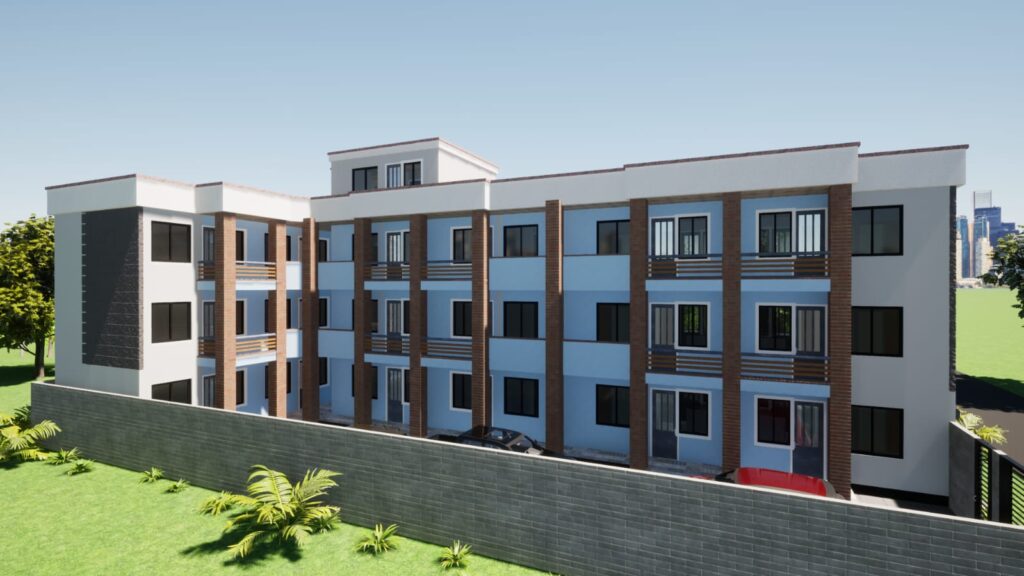
Step 6 – Construction Execution Phase
The construction execution phase is where all planning, design, and procurement efforts are translated into physical structures. This is the most resource-intensive stage of the project, involving continuous site activity, coordination, and decision-making to ensure the building is delivered according to specifications.
Actual construction activities begin with foundation works, followed by structural framing, masonry, roofing, and installation of MEP systems. Each task must follow the approved drawings and schedule to maintain consistency and quality.
Supervision and daily site management play a critical role in ensuring that work is carried out correctly. Site managers, engineers, and supervisors monitor progress, verify workmanship, and ensure that contractors follow specifications and safety requirements. Daily site reports help track performance and identify issues early.
Coordination between subcontractors is essential because multiple teams often work simultaneously on different parts of the project. For example, structural, electrical, and plumbing teams must align their activities to avoid clashes and rework. Poor coordination can lead to delays and inefficiencies.
Material delivery and storage must be carefully managed to ensure materials arrive on time and are stored safely to prevent damage or theft. Just-in-time delivery strategies are often used to reduce site congestion and improve efficiency.
Quality control during execution ensures that construction work meets required standards. This includes inspections, testing of materials, and verification of structural integrity at different stages of the project.
Managing delays and disruptions is a constant challenge in construction. Weather conditions, labor shortages, design changes, or supply chain issues can all impact progress. Effective project managers use contingency plans and scheduling adjustments to minimize downtime.
Communication between site and office teams is also crucial. Regular updates ensure that decision-makers are aware of progress, challenges, and resource needs. Clear communication helps align expectations and keeps the project on track.
Overall, the execution phase requires strong leadership, coordination, and continuous monitoring to ensure that the project is delivered safely, efficiently, and according to plan.
Step 7 – Monitoring, Control, and Quality Assurance
Monitoring, control, and quality assurance ensure that the construction project remains aligned with its planned scope, budget, timeline, and quality standards. This phase runs continuously alongside construction execution and acts as the project’s control system, helping detect deviations early and correct them before they escalate.
Progress tracking is a core activity in this stage. Project managers compare actual site progress against the approved schedule using tools such as Gantt charts, daily site reports, and milestone tracking. This helps identify delays early and allows corrective action to be taken promptly.
Cost control systems are used to monitor project spending against the approved budget. This includes tracking material costs, labor expenses, equipment usage, and subcontractor payments. Effective cost control ensures the project does not exceed financial limits and helps maintain profitability.
Quality inspections are carried out at different stages of construction to ensure compliance with design specifications, building codes, and industry standards. These inspections cover materials, workmanship, and structural integrity to prevent defects and rework.
Safety monitoring is equally important. Regular safety audits, site inspections, and enforcement of Health, Safety, and Environment (HSE) standards help reduce accidents and ensure compliance with legal requirements.
Key performance indicators (KPIs) are used to measure project performance objectively. The Schedule Performance Index (SPI) evaluates whether the project is ahead or behind schedule, while the Cost Performance Index (CPI) measures cost efficiency compared to the budget. These indicators help project managers make data-driven decisions.
Handling change orders is another critical function. Changes in design, scope, or materials must be properly documented, assessed for cost and time impact, and approved before implementation to avoid disputes.
Finally, documentation and reporting ensure transparency and accountability. Regular progress reports, financial updates, and quality records provide stakeholders with clear visibility into project performance.
Overall, this phase ensures the project remains controlled, efficient, and aligned with its intended objectives from start to finish.
Step 8 – Project Handover and Close-Out
The project handover and close-out phase marks the official completion of the construction process and the transition of the finished facility to the client. This stage ensures that all contractual obligations are met and that the building is safe, functional, and ready for use.
It begins with final inspections, where engineers, consultants, and regulatory authorities verify that the construction meets all approved designs, specifications, and building codes. Any defects or incomplete works are identified during this stage.
A snag list (or punch list) is then prepared, detailing minor issues such as finishing defects, repairs, or missing fittings. Contractors are required to resolve all items on this list before final acceptance is granted.
Once corrective works are completed, a client walkthrough is conducted. This allows the client to inspect the building, confirm satisfaction with the completed work, and raise any final concerns before formal handover.
Documentation handover is a critical step, where all project records are submitted. These include as-built drawings, inspection reports, material certificates, operation manuals, and maintenance guidelines. This documentation supports future maintenance and facility management.
Warranty and maintenance planning is also established to define responsibilities for defect liability periods and post-construction support. This ensures that any issues arising after handover are properly addressed.
Finally, official project closure takes place. This includes settling all financial accounts, releasing final payments, closing contracts, and formally handing over ownership to the client.
Overall, this phase ensures a smooth transition from construction to operation, confirming that the project has been completed successfully, safely, and in full compliance with requirements.
Essential Tools and Software for Construction Project Management
Modern construction project management increasingly relies on digital tools and software to improve efficiency, accuracy, and coordination across all project stages. These technologies help project teams plan better, communicate faster, and make data-driven decisions that reduce delays and cost overruns.
Project management software is one of the most important categories. Tools such as scheduling platforms and Building Information Modeling (BIM) systems allow teams to create detailed project timelines, visualize designs in 3D, and detect clashes between structural, architectural, and MEP systems before construction begins. This reduces errors and rework significantly.
Site reporting tools are also essential for daily operations. These tools allow site engineers and supervisors to record progress, capture photos, log issues, and generate daily or weekly reports in real time. This improves transparency and ensures that office teams stay updated on site conditions.
Cost tracking systems help monitor budgets by recording expenses related to labor, materials, equipment, and subcontractors. They allow project managers to compare planned versus actual costs and take corrective action when overruns occur.
Communication tools such as messaging platforms, cloud-based document sharing systems, and collaboration apps improve coordination between stakeholders, including clients, consultants, and contractors. This reduces misunderstandings and speeds up decision-making.
The benefits of digital construction management include improved productivity, better resource allocation, enhanced quality control, and reduced project risks. Digital tools also increase accountability by providing accurate records of all project activities.
Overall, integrating technology into construction project management leads to more efficient, transparent, and successful project delivery.

Common Mistakes in Construction Project Management
Despite careful intentions, many construction projects fail or underperform due to avoidable management mistakes. Understanding these common errors is essential for improving project outcomes and ensuring successful delivery.
One of the most frequent issues is poor planning. When project scope, timelines, and resources are not clearly defined from the beginning, it leads to confusion, delays, and inefficient execution on site. A weak plan creates a ripple effect that impacts every stage of the project.
Underestimating costs is another major challenge. Inaccurate budgeting often results in funding gaps, stalled work, or the need for additional financing. Many projects fail to account for inflation, material price fluctuations, or unforeseen site conditions.
Weak communication between stakeholders such as contractors, consultants, and clients can also cause misunderstandings, rework, and delays. Clear and consistent communication is essential to ensure everyone is aligned with project goals and expectations.
Ignoring risk management exposes projects to avoidable disruptions. Risks such as weather changes, design errors, or supply chain issues should be identified early and managed through contingency planning.
Inadequate supervision on site often leads to poor workmanship, safety violations, and failure to meet quality standards. Strong site oversight ensures that work is executed according to specifications.
Delayed procurement decisions can also slow down the entire project. Late ordering of materials or selection of contractors can create bottlenecks that affect the overall schedule.
Overall, avoiding these common mistakes significantly improves efficiency, reduces costs, and increases the likelihood of successful project completion.
Key Skills of a Successful Construction Project Manager
A successful construction project manager requires a combination of technical, managerial, and interpersonal skills to ensure that projects are delivered efficiently, safely, and within budget. These skills are essential for coordinating complex activities and managing multiple stakeholders on a construction site.
Leadership is one of the most important skills, as project managers must guide teams, make decisions under pressure, and ensure that everyone works toward the same project goals. Strong leadership also helps maintain discipline, motivation, and accountability on site.
Technical knowledge is equally critical. A project manager must understand construction methods, building codes, materials, and engineering principles to make informed decisions and effectively supervise work.
Communication skills are essential for coordinating between clients, consultants, contractors, and site teams. Clear communication reduces misunderstandings, improves collaboration, and ensures smooth project execution.
Problem-solving is another key skill, as construction projects often face unexpected challenges such as design changes, delays, or resource shortages. A good project manager must quickly identify solutions and minimize disruptions.
Financial control involves managing budgets, tracking expenses, and ensuring that the project remains financially viable. This helps prevent cost overruns and supports proper allocation of resources.
Time management is also crucial, as construction projects operate under strict deadlines. Effective scheduling and prioritization ensure that all activities are completed in the correct sequence without unnecessary delays.
Overall, these combined skills enable a construction project manager to deliver successful projects that meet quality standards, stay within budget, and finish on time.
KPIs That Define Project Success in Construction
Key Performance Indicators (KPIs) are essential tools used in construction project management to measure performance, track progress, and ensure that a project stays aligned with its objectives. They provide objective data that helps project managers make informed decisions throughout the project lifecycle.
One important KPI is cost variance, which compares the actual project cost against the planned budget. A positive or negative variance indicates whether the project is under or over budget and helps control financial performance.
Schedule variance measures whether the project is ahead of or behind its planned timeline. It helps identify delays early and allows corrective action to keep the project on track.
Quality compliance rate evaluates how well construction work meets specified standards, codes, and design requirements. A high compliance rate reflects strong workmanship and effective supervision.
Safety incident rate tracks the number of accidents or safety violations on site. Lower incident rates indicate a safer working environment and better adherence to Health, Safety, and Environment (HSE) standards.
Resource utilization efficiency measures how effectively labor, materials, and equipment are used. High efficiency reduces waste and improves productivity.
Tracking KPIs improves project outcomes by providing real-time insights into performance. They help identify problems early, improve accountability, and support data-driven decision-making. Ultimately, KPIs ensure that construction projects are delivered on time, within budget, and to the required quality standards.
Real-World Insight: What Separates Successful Projects from Failed Ones
In real construction practice, the difference between successful and failed projects is rarely about resources alone—it is about how well those resources are managed. Successful projects are typically characterized by strong planning, disciplined execution, and continuous monitoring, while failed projects often suffer from disorganization, poor communication, and reactive decision-making.
Successful projects begin with detailed planning that clearly defines scope, budget, timelines, and responsibilities. This is supported by realistic scheduling and proper risk identification. In contrast, failed projects often rush into execution without a solid plan, leading to confusion, delays, and uncontrolled costs.
Execution balance is equally important. Even the best plans can fail if they are not properly implemented on site. Successful projects maintain a strong link between planning and execution through regular supervision and performance tracking.
Coordination and accountability also play a major role. When consultants, contractors, and site teams work in sync and take responsibility for their tasks, projects move smoothly. However, lack of coordination leads to duplicated work, delays, and costly rework.
Ultimately, successful construction projects are built on discipline, communication, and structured management systems. Those that ignore these principles often struggle with delays, budget overruns, and poor-quality outcomes.
Conclusion – Mastering Construction Project Managementfor Successful Delivery
Successful construction project delivery is not accidental—it is the result of a well-structured and disciplined management approach applied consistently from start to finish. This guide has walked through the complete step-by-step process, beginning with project initiation and feasibility studies, moving through planning and scope definition, design and documentation, procurement and contracting, site preparation, execution, monitoring and control, and finally project handover and close-out.
Each stage plays a critical role in ensuring that the project progresses smoothly without unnecessary delays or cost overruns. When these phases are properly integrated, they create a clear workflow that connects planning, execution, and control into one unified system. This integration is what separates efficient projects from those that struggle with constant disruptions.
The long-term benefits of applying structured construction project management are significant. Projects experience reduced delays due to better scheduling and coordination, cost savings through accurate budgeting and cost control, higher quality output through strict supervision and inspections, and improved stakeholder satisfaction due to clear communication and predictable results.
Ultimately, construction success is not determined by labor alone or the size of the budget, but by discipline, coordination, and effective decision-making throughout the project lifecycle. Teams that follow structured management principles are far more likely to deliver safe, efficient, and profitable projects.
By applying these principles consistently, project managers, contractors, and developers can significantly improve outcomes and ensure every project is delivered to the highest standard of quality, time, and cost performance.