
How to Work With Architects in Kenya
Learn how to work effectively with architects in Kenya for successful construction projects. This comprehensive guide explains how to choose the right architect, define clear project goals, understand architectural fees, and build a strong working relationship throughout the design and construction process. Discover each stage of the architectural design journey, from initial consultation and concept development to construction documentation and county approvals. Get practical tips on communication, decision-making, and managing changes during construction, including site supervision and contractor coordination. Avoid common mistakes such as unclear budgets, frequent design changes, and ignoring professional advice. Explore how modern technology like BIM, 3D visualizations, and digital project management tools is improving collaboration in Kenya’s construction industry. Whether you are building a home, apartment, or commercial property, this guide helps you achieve better results through transparency, planning, and professional architectural support.
Introduction: Why Working Effectively With an Architect Matters in Kenya
How to Work With Architects in Kenya
The construction industry in Kenya has experienced significant growth over the past decade, driven by rapid urbanization, increasing property investments, and a growing demand for modern residential and commercial developments. As more Kenyans embark on building projects, the need for professional architectural services has become more important than ever. Whether you are planning to build a family home, an apartment complex, office space, or commercial property, working with a qualified architect can greatly influence the success of your project.
Architects play a critical role throughout the building process. Beyond creating attractive building designs, they help translate your vision into practical plans, ensure compliance with local building regulations, coordinate with engineers and contractors, manage approvals, and oversee design quality. Their expertise helps prevent costly mistakes while maximizing functionality, aesthetics, and long-term value.
However, many homeowners and developers mistakenly believe that architects are only needed for drawing house plans. Others view architectural services as an unnecessary expense rather than an investment. These misconceptions often lead to poor project planning, budget overruns, construction delays, and avoidable design flaws.
A strong architect-client relationship can make a significant difference in achieving project goals. Clear communication, mutual trust, and collaboration enable architects to understand your needs and deliver solutions that align with your budget, lifestyle, and expectations.
In this guide, you will learn how to find the right architect in Kenya, understand architectural fees, communicate effectively throughout the design process, avoid common mistakes, andbuild a successful working relationship that leads to a well-executed construction project.
Understanding the Role of Architects in Kenya
Who Is an Architect?
An architect is a trained and licensed professional responsible for planning, designing, and overseeing the construction of buildings and other structures. In Kenya, architects combine creativity, technical expertise, and knowledge of building regulations to create spaces that are functional, safe, and visually appealing. They work closely with clients to understand project requirements and transform ideas into practical designs that meet both aesthetic and structural needs. Architects play a vital role in ensuring that construction projects are completed efficiently and in compliance with relevant standards.
What Architects Actually Do Beyond Drawing Plans
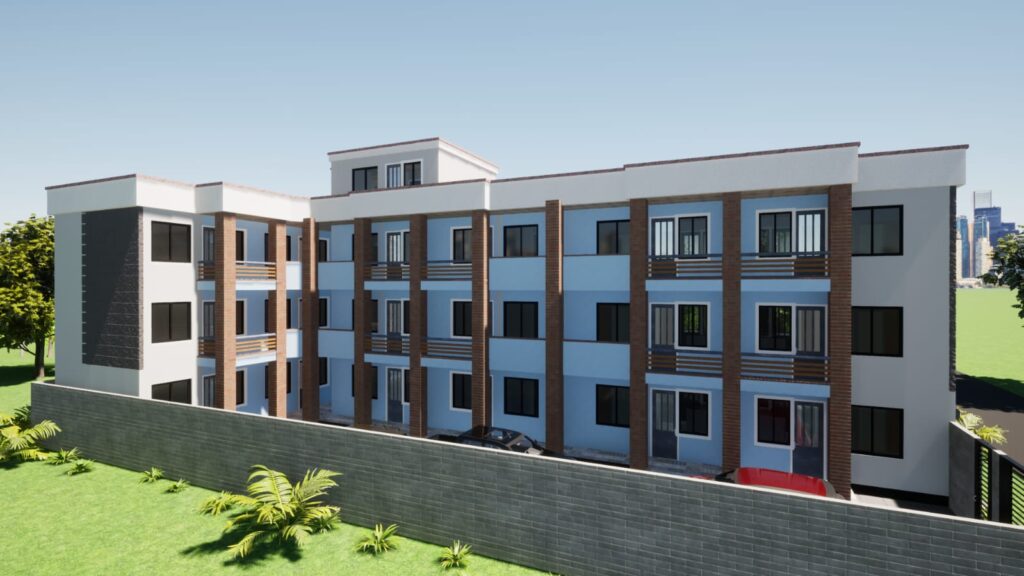
Many people assume that architects simply prepare building drawings, but their responsibilities extend far beyond that. Architects guide projects from concept development to completion. They develop design concepts, prepare detailed construction documents, and ensure that buildings meet client expectations, safety requirements, and local regulations.
They also coordinate with structural, civil, electrical, and mechanical engineers to integrate all technical aspects of the project. During the approval stage, architects assist in preparing and submitting documents required by county authorities and regulatory agencies. Throughout construction, they work closely with contractors, review progress, address design-related issues, and help maintain quality standards. Their involvement helps reduce costly errors and ensures smooth project execution.
Why Registered Architects Matter
Hiring a registered architect is essential for protecting your investment and ensuring professional service. Registered architects are qualified professionals who adhere to established industry standards, ethical practices, and legal requirements. They possess the knowledge necessary to develop safe and compliant designs while navigating complex approval processes.
Professional accountability is one of the key advantages of working with a registered architect. They are responsible for the quality and accuracy of their work and can be held accountable for professional conduct. In addition, registered architects provide valuable site supervision, coordinate effectively with engineers and contractors, and help ensure that construction follows approved plans. Their expertise minimizes risks, improves project outcomes, and increases the likelihood of successful project completion.
Step 1 – Define Your Project Goals Before Contacting an Architect
Before engaging an architect, it is important to have a clear understanding of what you want to achieve. Defining your project goals early helps streamline the design process, reduces misunderstandings, and enables the architect to develop solutions that align with your vision, budget, and timeline.
Clarify Your Needs
Start by identifying the purpose and requirements of your project. Consider the type of building you want to construct, the number of rooms required, and how the spaces will be used. Think about your lifestyle, family size, business needs, and future plans. It is also important to determine whether you may need future expansion options, such as additional rooms, floors, or extensions. Having a clear picture of your needs allows the architect to create a design that supports both your current and long-term objectives.
Establish Your Budget Early
Your budget plays a critical role in shaping the project’s scope, design, material selection, and construction methods. Being transparent about your financial limits helps the architect propose realistic solutions that match your expectations. Remember to account for design fees, approvals, construction costs, professional consultations, and contingency funds for unexpected expenses. A well-defined budget minimizes costly redesigns and ensures that project decisions remain financially practical from the beginning.
Create a Simple Project Brief
A project brief serves as a roadmap for your architect. Include essential details such as plot size and location, preferred architectural style, number of rooms, special features, and design preferences. You should also outline your desired project timeline, expected completion date, and any future expansion plans. A comprehensive brief helps the architect understand your vision and provides a strong foundation for successful project planning and execution.
Step 2 – Finding the Right Architect in Kenya
Choosing the right architect is one of the most important decisions you will make during your construction project. The architect you select will influence the design quality, project efficiency, budget management, and overall success of the development. Taking time to evaluate potential candidates can save you significant time, money, and stress later.
Where to Search for Qualified Architects
There are several ways to find qualified architects in Kenya. Start by seeking recommendations from friends, family members, contractors, developers, or property owners who have completed successful projects. Professional associations, architectural firms, and online directories can also help you identify licensed professionals. Many architects showcase their work through websites and social media platforms, making it easier to review their expertise and determine whether their services match your project requirements.
Reviewing Portfolios and Past Projects
An architect’s portfolio provides valuable insight into their experience, creativity, and project specialization. Review completed projects that are similar to your planned development, whether residential, commercial, institutional, or mixed-use. Pay attention to design style, functionality, quality of finishes, and overall project execution. A portfolio can reveal whether the architect’s design approach aligns with your preferences. Request references from previous clients and, if possible, visit completed projects to assess the quality of work firsthand.
Questions to Ask During Initial Consultations
The initial consultation provides an opportunity to evaluate whether the architect is the right fit for your project. Ask about their experience with similar developments, project specialization, design process, and estimated timelines. Inquire about how they handle communication, design revisions, approvals, and site supervision. You should also discuss fee structures, coordination with engineers and contractors, and potential project challenges. These conversations help establish expectations and determine whether the architect understands your vision and objectives.
Verifying Registration and Credentials
Before making a final decision, verify that the architect is professionally registered and qualified to practice in Kenya. Professional registration demonstrates that the architect has met the required educational, training, and ethical standards. It also provides assurance of professional accountability and compliance with industry regulations. Confirm certifications, memberships in professional bodies, and relevant project experience to ensure you are working with a credible and competent professional.
Step 3 – Understanding Architectural Fees in Kenya
Understanding how architectural fees are structured is essential for effective project planning and budgeting. Architectural costs vary depending on the size, complexity, location, and scope of a project. By understanding the different pricing models and services included, clients can make informed decisions and avoid unexpected expenses during the construction process.
How Architects Charge
Architects in Kenya use different methods to charge for their services. The most common approach is a percentage of the total construction cost, although some architects may charge fixed fees, hourly rates, or lump-sum amounts for specific services. The chosen pricing model often depends on the project’s complexity and scope. Larger and more detailed projects generally require more time, expertise, and coordination, which can influence the overall fee structure. It is important to discuss payment terms and service deliverables before signing an agreement.
Percentage-Based vs Fixed Fees
Percentage-based fees are commonly used for residential and commercial construction projects. Under this arrangement, the architect’s fee is calculated as a percentage of the estimated construction cost. This method allows fees to reflect the project’s scale and complexity. Fixed fees, on the other hand, involve a predetermined amount agreed upon before work begins. Fixed fees provide greater cost certainty for clients but may have limitations if significant design changes occur. Understanding the advantages and limitations of each approach helps clients select the most suitable option for their project.
What Is Included in Architectural Fees?
Architectural fees often cover a range of professional services beyond preparing drawings. These may include concept development, design preparation, detailed construction documents, project consultations, coordination with engineers, and assistance with building approvals. Some agreements also include a specified number of site visits to monitor construction progress and ensure compliance with approved designs. Depending on the contract, design revisions and ongoing consultancy services may also be included. Clients should request a detailed breakdown of services to understand exactly what they are paying for.
Hidden Costs to Watch Out For
Some project costs may not be included in the architect’s base fee. These can include approval fees charged by county authorities, additional site visits beyond the agreed scope, major design revisions requested after approval, specialist consultant charges, and extra consultancy fees for project management services. Clarifying these costs early helps prevent budget overruns and misunderstandings.
Step 4 – Creating an Effective Architect-Client Relationship
A successful construction project depends not only on technical expertise but also on the strength of the relationship between the client and the architect. Effective communication, mutual trust, and clearly defined expectations help prevent misunderstandings and ensure that project goals are achieved efficiently. Establishing a collaborative working relationship from the beginning creates a smoother design and construction process.
Establish Clear Communication Channels
Clear communication is the foundation of a productive architect-client relationship. From the start, both parties should agree on the preferred methods of communication, whether through email, phone calls, virtual meetings, or messaging platforms. Regular email updates can help document important decisions, track project progress, and maintain transparency throughout the project. Open communication encourages clients to share concerns, ask questions, and provide feedback promptly. Likewise, architects can keep clients informed about design developments, approval processes, and potential challenges before they become major issues.
Set Expectations from Day One
Establishing expectations early helps avoid confusion and conflicts later in the project. Both the client and architect should discuss project objectives, budget limitations, timelines, responsibilities, and deliverables before work begins. It is also important to agree on how design reviews, revisions, approvals, and decision-making processes will be handled. Defining realistic expectations ensures that everyone understands their roles and responsibilities. When expectations are clearly documented, the project is more likely to remain on schedule and within budget while minimizing unnecessary delays.
Maintain Regular Progress Meetings
Regular progress meetings provide opportunities to review project developments, discuss challenges, and make important decisions. Design review meetings allow clients to evaluate plans and provide feedback before construction begins. During construction, site meetings help monitor progress, address emerging issues, and ensure that work aligns with approved designs. Establishing clear decision timelines is equally important, as delayed approvals can slow down project progress. Consistent meetings create accountability, improve collaboration, and help both the architect and client stay focused on achieving the project’s objectives efficiently and successfully.
Step 5 – The Architectural Design Process Explained
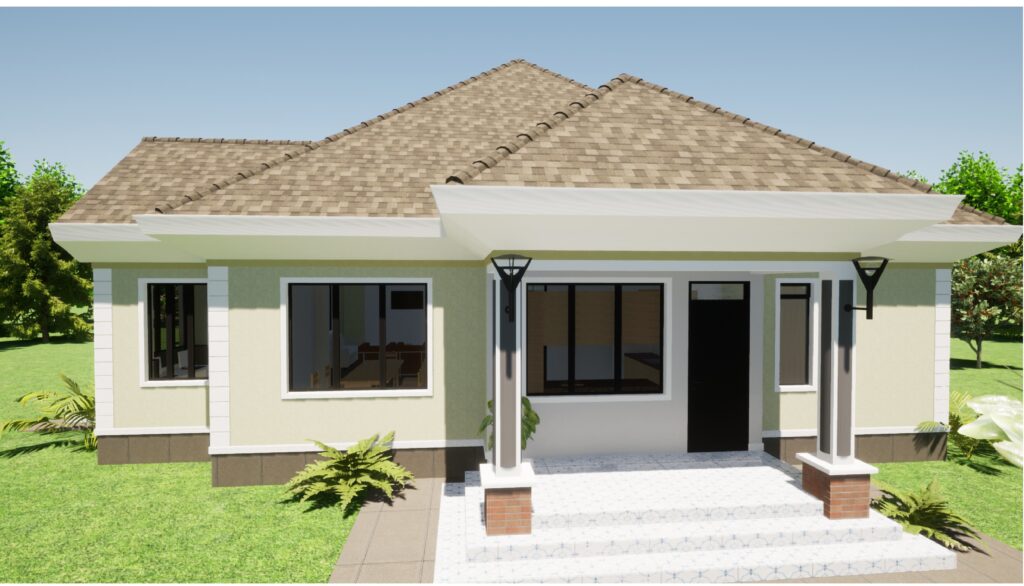
Understanding the architectural design process helps clients know what to expect when working with an architect. While each project is unique, most architectural projects in Kenya follow a structured process that moves from concept development to construction and approvals. Each stage plays an important role in transforming an idea into a buildable project.
Initial Consultation
The design process begins with an initial consultation between the client and the architect. During this meeting, project goals, budget, site conditions, design preferences, and timelines are discussed. The architect gathers essential information about the plot and the client’s requirements to determine the project’s feasibility. This stage establishes the foundation for the entire design process and helps align expectations from the beginning.
Concept Design Stage
Once the project requirements are understood, the architect develops preliminary design concepts. These concepts explore different layouts, building forms, space arrangements, and architectural styles. Sketches, conceptual floor plans, and sometimes basic 3D renders may be prepared to help clients visualize the proposed design. Feedback from the client is incorporated before moving to the next stage, ensuring the design direction aligns with the project vision.
Schematic Design and Layout Development
During this stage, the selected concept is refined into more detailed drawings and layouts. Architects develop floor plans, elevations, room arrangements, circulation patterns, and space utilization strategies. The design becomes more defined, allowing clients to evaluate functionality, aesthetics, and overall building performance. Preliminary discussions with engineers may also begin to ensure structural requirements are considered early in the design process. Any necessary adjustments are made before advancing to detailed design development.
Design Development and Refinement
Design development focuses on refining all aspects of the project. Detailed floor plans, elevations, sections, material specifications, and advanced 3D renders may be produced. Architects work closely with structural, electrical, and mechanical engineers to achieve proper structural coordination and integration of building systems. This collaborative approach helps identify and resolve potential issues before construction begins. Client feedback continues to play an important role as final design decisions are made.
Construction Documentation
Once the design is approved, the architect prepares comprehensive construction documents. These include detailed drawings, specifications, dimensions, schedules, and technical information required by contractors for construction. Accurate documentation minimizes errors, improves cost estimation, and provides clear guidance during the building phase.
County Approvals and Regulatory Compliance
Before construction can begin, the project must go through the approval process required by county authorities and relevant regulatory agencies. The architect assists in preparing and submitting the necessary documentation, ensuring the design complies with planning regulations, zoning requirements, building codes, and safety standards. Approval is essential for legal and successful project implementation.
Step 6 – Working With Architects During Construction
The architect’s role does not end once the design is complete. During the construction phase, they continue to play a key role in ensuring that the project is executed according to the approved plans. This stage is critical because it directly affects the quality, cost, and success of the final building. A strong working relationship between the architect, client, and contractor helps ensure smooth project delivery.
Site Supervision Responsibilities
Site supervision involves regular visits by the architect to monitor construction progress and ensure that work is being carried out according to the approved drawings and specifications. The architect checks workmanship quality, verifies measurements, and ensures compliance with design intent. They also coordinate with contractors and engineers to confirm that all structural and technical requirements are being followed. Through quality control, the architect helps prevent errors that could lead to costly rework or delays. Regular site reports may also be provided to keep the client informed about progress.
Handling Design Changes
Changes during construction are sometimes unavoidable due to site conditions, client preferences, or material availability. When modifications are needed, the architect evaluates the impact on cost, structure, and timeline before approval. These adjustments are formally documented through variation orders to ensure transparency and accountability. Material substitutions may also occur when specified materials are unavailable or too expensive, and the architect ensures that alternatives maintain design integrity and performance standards.
Resolving Construction Challenges
Construction projects often face unexpected challenges such as site limitations, technical conflicts, or contractor misunderstandings. The architect plays a key role in resolving these issues by providing practical solutions and coordinating with all stakeholders. Effective contractor coordination ensures that instructions are clearly communicated and implemented correctly. By addressing problems early and professionally, the architect helps maintain quality control, minimize delays, and keep the project aligned with the original design objectives.
Common Mistakes Clients Make When Working With Architects
Working with an architect can significantly improve the success of a construction project, but certain client mistakes can negatively affect the outcome. Many of these issues arise from poor communication, unrealistic expectations, or lack of understanding of the design process. Avoiding these mistakes helps ensure smoother collaboration and better project results.
Changing Requirements Too Frequently
One common mistake is constantly changing project requirements after the design process has already begun. For example, a client may initially request a three-bedroom house in Kitengela and later decide to add extra rooms, a rooftop terrace, or change the layout entirely. These frequent changes can delay design progress, increase costs, and lead to confusion in the final construction documents. Consistency in decision-making is essential for efficient project delivery.
Hiding Budget Information
Some clients avoid sharing their real budget with the architect, hoping to get a “dream design” first before adjusting costs later. However, this often leads to unrealistic designs that cannot be constructed within financial limits. For instance, a client in Nairobi might request high-end finishes and large floor spaces without disclosing a limited budget, resulting in repeated redesigns. Transparency helps the architect create practical and affordable solutions from the beginning.
Choosing Based on Lowest Fees Alone
Selecting an architect purely based on the lowest fees can be a costly mistake. Low-cost services may lack proper detail, experience, or technical support. For example, a poorly designed apartment block in Mombasa may result in structural inefficiencies or approval delays, ultimately costing more to fix. It is better to consider experience, portfolio quality, and professionalism alongside cost when making a decision.
Ignoring Professional Advice
Another major mistake is disregarding the architect’s recommendations. Architects provide guidance on space planning, materials, structural safety, and compliance with regulations. For example, a client building in a flood-prone area might ignore advice on elevation levels or drainage systems, leading to future damage. Trusting professional input ensures better safety, functionality, and long-term value for the project.
How Technology Is Improving Architect-Client Collaboration in Kenya
Technology is transforming how architects and clients work together in Kenya by making communication faster, design visualization clearer, and project management more efficient. Modern tools reduce misunderstandings and improve decision-making throughout the design and construction process.
3D Visualizations and Virtual Walkthroughs
One of the biggest advancements in architecture is the use of 3D visualization and digital renders. Clients can now see realistic representations of their projects before construction begins. Tools such as Building Information Modelling (BIM) allow architects to create detailed digital models that improve accuracy and coordination. Virtual walkthroughs help clients understand space layout, lighting, and design flow, making it easier to approve designs with confidence.
Online Project Management Tools
Online platforms have improved how architectural projects are managed. Architects can now track progress, share updates, and manage tasks using cloud-based systems. These tools allow clients to monitor project timelines and review documents in real time. Cloud document sharing ensures that floor plans, elevations, structural drawings, and revisions are easily accessible to all stakeholders. This reduces delays and improves coordination between architects, engineers, and contractors.
Digital Communication and Approvals
Digital communication tools such as email, messaging apps, and virtual meetings have made collaboration more efficient. Clients and architects can discuss design changes instantly without waiting for physical meetings. Digital approvals also speed up decision-making, allowing clients to review and sign off designs remotely. This approach improves efficiency, reduces paperwork, and enhances transparency throughout the project lifecycle. By integrating BIM, virtual meetings, cloud sharing, and digital renders, architect-client collaboration in Kenya has become more streamlined, accurate, and responsive.
Tips for Getting the Best Results From Your Architect
Getting the most value from your architect depends not only on their expertise but also on how you work together as a client. A cooperative and informed approach helps ensure smoother design development, fewer delays, and a better final outcome for your construction project.
Be Transparent About Your Budget
Being open about your budget from the beginning allows the architect to design realistically. When financial limits are clear, the architect can recommend suitable materials, layouts, and construction methods that match your resources. For example, in Kenya, a client planning a home in Juja can avoid unnecessary redesigns by sharing their true budget early instead of adjusting it later. Transparency helps prevent wasted time and ensures practical design solutions.
Make Decisions Promptly
Timely decision-making is essential during the design and construction process. Delays in approving floor plans, materials, or revisions can slow down the entire project. For instance, postponing feedback on layout changes may delay submission for county approvals. Quick responses help maintain project momentum and keep timelines on track.
Trust Professional Expertise
Architects bring technical knowledge and experience that guide safe and efficient building design. Trusting their recommendations on space planning, structural coordination, and materials can improve the overall quality of the project. While client input is important, respecting professional advice ensures that designs remain functional, compliant, and structurally sound.
Focus on Long-Term Value
Instead of focusing only on initial costs, consider the long-term performance of your building. A well-designed home or commercial space should offer durability, energy efficiency, and adaptability for future needs. Investing in quality design today can reduce maintenance costs and increase property value over time, making it a smarter financial decision in the long run.
Conclusion – Building a Successful Partnership With Your Architect
A successful construction project in Kenya depends heavily on the strength of the relationship between the client and the architect. When both parties work together effectively, the result is not only a well-designed building but also a smoother, more efficient construction process with fewer delays and costly errors.
Throughout this guide, we have explored the key steps involved in working successfully with an architect. It begins with choosing the right professional who understands your vision, has relevant experience, and aligns with your project goals. From there, clearly defining your project goals helps ensure that design decisions are guided by practical needs, budget limits, and long-term expectations.
Understanding architectural fees is also essential, as it allows clients to plan realistically and avoid unexpected costs. Equally important is maintaining consistent communication, which ensures that decisions are made on time and that both the client and architect remain aligned throughout the project.
Following the structured design process—from initial consultation and concept development to detailed drawings and approvals—ensures that the project moves forward in an organized and efficient manner. During construction, effective collaboration continues through supervision, problem-solving, and managing changes to ensure quality execution.
Ultimately, managing construction effectively requires patience, trust, and active participation from both the client and the architect. Each stage of the process contributes to the final outcome, making it important to stay engaged and informed throughout.
Successful construction projects in Kenya are built on collaboration, transparency, and professional expertise. When homeowners and developers understand how to work effectively with architects, they reduce costly mistakes, improve project quality, and create buildings that meet both functional and aesthetic goals. A strong partnership with your architect is the foundation of turning ideas into lasting, well-designed spaces.
Call to Action
Ready to Start Your Building Project in Kenya?
Whether you are planning a family home, apartment development, commercial building, or renovation project, working with the right architect is the foundation of success. Our experienced team can help you connect with qualified architects, develop practical design solutions, navigate approvals, and manage your project from concept to completion. Contact us today for professional guidance, architectural consultation, project planning, and construction support. Let us help you transform your ideas into a functional, beautiful, and cost-effective building that meets your vision and budget.