
By Benard Onyango
Benard is the CEO and founder of Marble Engineering, the leading design and build company for residential and commercial construction in Kenya.
Building in Kenya is something that is controlled a lot, and getting the papers you need is very important before you start any work. Whether you are building your own house, rental houses, or a business place, understanding construction permits in Kenya helps you stay out of trouble with the law, avoid paying fines, or even having your building pulled down.
In our capacity as a Design-Build company, we deal with many different kinds of construction projects so we have a pretty good idea what permits are involved in different situations. In this guide, we break down the different types of permits required, the application process, costs, and common reasons for approval delays to ensure your project runs smoothly.
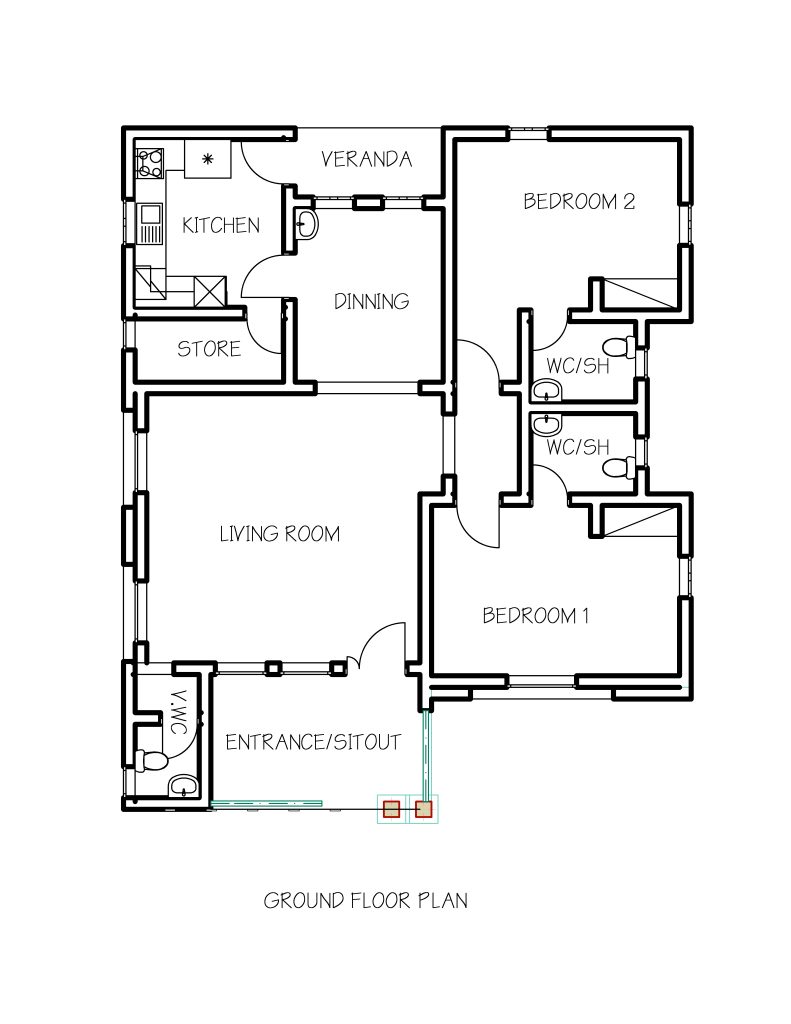
1. Why Do You Need a Construction Permit in Kenya?
Before you start any building work, you must get permission from the people in charge. This is to make sure that your building is safe, follows the rules about where you can build, and meets the standards for building.
Importance of Construction Permits
- Legal compliance – This means following the law so you don’t get punished or have problems with the law.
- Safety assurance – This makes sure that the building is strong enough and safe to use.
- Zoning and land use regulations – These are rules about where you can build what kind of building. Permits help stop people from building in places where they are not allowed.
- Access to utilities – You need permits to get things like water, electricity, and sewerage connected to your building.
- Protection of property value – Buildings without permits can be pulled down, which means you lose money.
2. Types of Construction Permits in Kenya
Depending on what you are building, you might need different kinds of papers before you start building.
Common Construction Permits in Kenya
- Building Plan Approval – You need this for all new buildings and big changes to existing buildings.
- Change of User Permit – You need this if you are changing the use of the land, for example, from a place where people live to a place where business is done.
- Environmental Impact Assessment (EIA) License – Big projects need this to check if they will harm the environment.
- Occupancy Certificate – After building is finished, you get this to show that the building is safe and follows the rules.
- Subdivision Permit – If you are dividing a big piece of land into smaller pieces, you need this.
- Demolition Permit – You need this to safely pull down an existing building.
Read Also: Ultimate Guide to Apartment Plans in Kenya: Designs, Costs and Trends
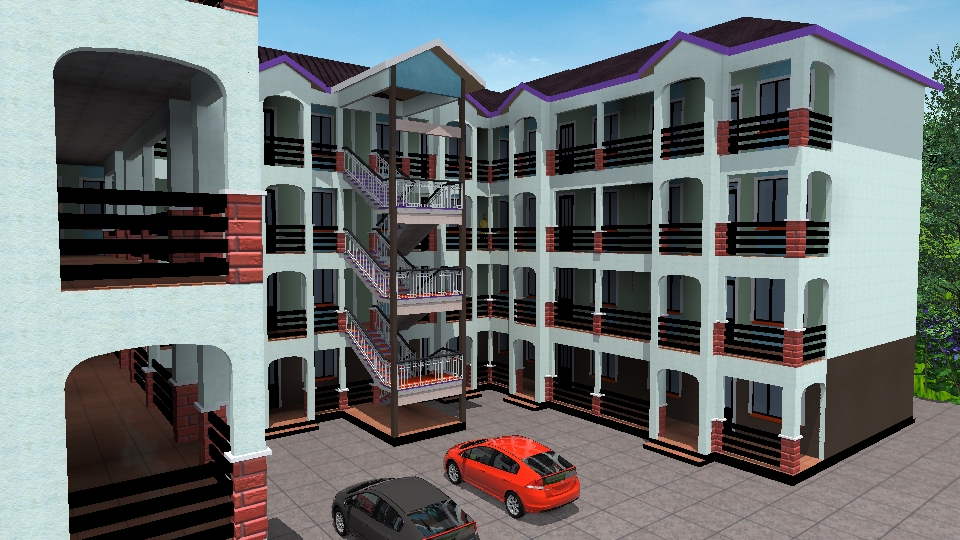
3. The Construction Permit Application Process in Kenya
The construction permit application process in Kenya varies by county, but the general procedure includes:
How you apply for a construction permit application process in Kenya can be different depending on which county you are in. But generally, it involves these steps:
Step 1: Engage a Registered Architect or Engineer
Your building plans must be drawn and submitted by someone who is a licensed architect or structural engineer. These people have been trained and know the standards.
Step 2: Prepare and Submit Required Documents
Make sure you have these papers ready:
- Drawings of the building done by the architect or engineer.
- A map showing the land and papers proving you own the land.
- If needed, a report on how the building will affect the environment (Environmental Impact Assessment report).
- Approvals from NEMA (National Environment Management Authority) and NCA (National Construction Authority) for big projects.
- Proof that you have paid your land rates.
Step 3: Online Application via the e-Construction System
Most counties, like Nairobi, want you to apply online through their e-Construction Permit System. This system helps to make the process faster and easier to track.
Step 4: Payment of Fees
After you submit your application, you will get a bill for the approval fees. How much you pay depends on the size of your project and where it is located.
Step 5: Site Inspection and Review
People from the county planning office might come to see the place where you want to build. They do this to check if what you submitted in your application is correct.
Step 6: Approval and Permit Issuance
If everything is okay, your building permit will be given to you, and you can start building.
Read Also: Meeting Kenya’s Housing Needs: A Comprehensive Guide to Apartment Building Plans
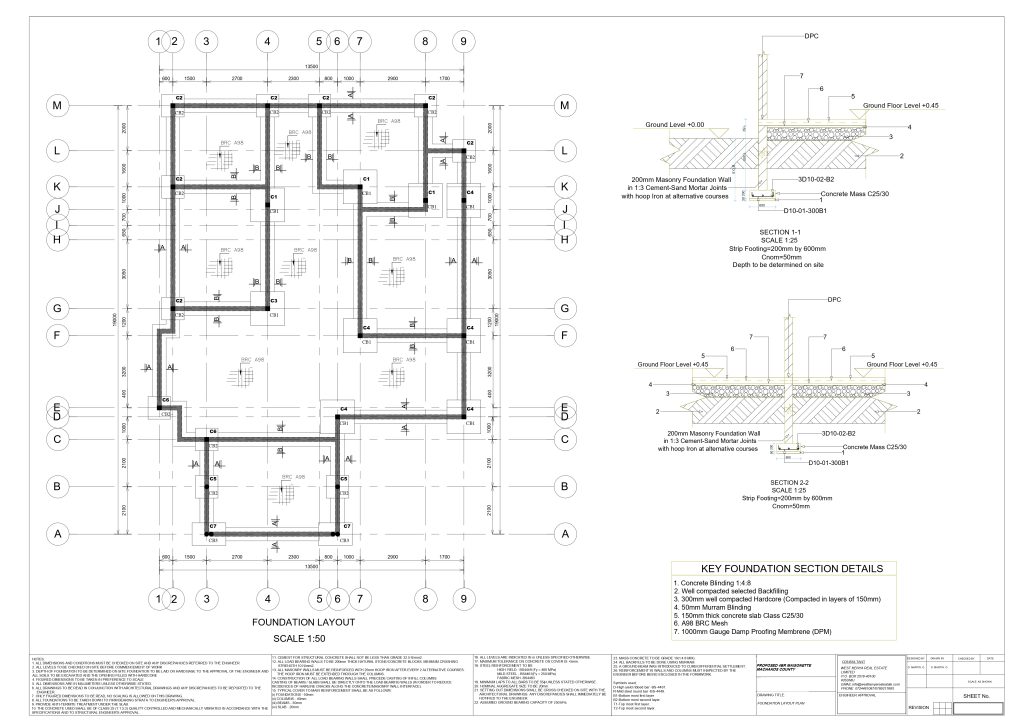
4. How Much Does a Construction Permit Cost in Kenya?
The cost of obtaining a construction permit in Kenya changes depending on the type of project, where it is, and how big it is.
Estimated Costs for Construction Permits
- Residential Building Plan Approval – This can cost anywhere from KSh 5,000 to KSh 50,000.
- Commercial Building Approval – This starts from around KSh 20,000, but it can be more depending on the size of the project.
- Environmental Impact Assessment (EIA) Fees – These can range from KSh 10,000 to KSh 40,000.
- Occupancy Certificate Fees – These cost between KSh 5,000 and KSh 20,000.
You might also have to pay extra for things like site inspections, getting approval for zoning, and changing the use of the land.
5. Common Reasons for Construction Permit Delays in Kenya
Many people find that getting their construction permits takes longer than expected because of these reasons:
- Incomplete documentation – Missing important papers like title deeds, proof of land rate payment, or the building plans themselves.
- Non-compliance with zoning regulations – Trying to build a business in an area where only houses are allowed.
- Pending land rate payments – If you haven’t paid your land rates, it can stop your approval.
- Backlog of applications – In cities, there are many people applying for permits, which can make the process slow.
- Failure to engage registered professionals – Only architects and engineers with licenses can submit building plans.
To avoid delays, make sure all your papers are complete and in order, and follow up with the county office regularly.
6. How to Get NEMA Approval for Construction Projects
For big building projects, you need approval from the National Environmental Management Authority (NEMA) before you can get a construction permit.
Steps to Obtain NEMA Approval
- Hire an Environmental Consultant – They will do a study called an Environmental Impact Assessment (EIA).
- Submit the EIA Report to NEMA – This report explains how your project will affect the environment.
- Public Participation and Stakeholder Review – The public and other people who might be affected by your project will be asked what they think.
- NEMA Review and Decision – NEMA will check the report and decide if your project meets the environmental standards.
- Receive the NEMA License – You need this license to get other building approvals.
7. Legal Requirements for Construction in Kenya
Every person who wants to build must follow the legal requirements for construction in Kenya, which include:
- Adherence to zoning laws – Each area has rules about what kind of buildings can be put up there.
- Compliance with the Building Code of Kenya – This code makes sure that buildings are safe and of good quality.
- Approval from the National Construction Authority (NCA) – Contractors must register their projects with the NCA.
- Kenya Bureau of Standards (KEBS) Regulations – These rules make sure that the materials used for building are of good quality.
8. How to Avoid Fines for Unapproved Construction in Kenya
If you don’t get the necessary permits, you can be fined, taken to court, or your building can be pulled down. To avoid fines for unapproved construction in Kenya, do these things:
- Apply for permits before you start building.
- Build according to the approved plans and don’t make changes without permission.
- Let the county inspectors check your building when they need to.
- Make sure your project follows the environmental and zoning laws.
Final Thoughts
Navigating the construction permit approval process in Kenya requires proper planning, the right documentation, and compliance with legal requirements. Whether you’re building a home, apartments, or commercial property, securing approvals early ensures a smooth project.
By understanding construction permits in Kenya, following the right steps, and working with professionals, you can fast-track approvals, reduce delays, and avoid penalties.
Alright, if you’d like expert help with your construction project in Kenya, contact us here att Marble Engineering. We specialize in designing and constructing high-yield rental apartments. Whether you’re looking for the best suburbs for building rental units, need expert advice on apartment investments, or help getting permits for your project we can help. We operate across Kenya and are available at any point in time to answer your questions. Contact us today to look at our house plans or discuss your construction project.


[…] Factors to Consider When Hiring a Contractor in Kenya […]
[…] professional competence, adherence to industry standards, and ethical conduct. It also provides legal recognition, allowing the engineer to take responsibility for project […]
[…] vary widely depending on where you apply. Nairobi County has publicly committed to reducing permit approvals to about 14 days, but in reality, most applicants still wait between 30 and 90 days for clearance. […]
[…] components to cut costs and time. However, all substitutions must meet design intent and approval from the project consultant or […]
[…] landowners in Nairobi, Kisumu, or Nakuru, a duplex allows smart vertical development without the heavy management of […]
[…] in the commercial property sector. The economy’s diversification into manufacturing, tech, and logistics has sustained demand for Grade A offices and modern warehouses. Meanwhile, inflation has remained […]
[…] you’re planning to build in Nairobi, understanding the building permit cost in Nairobi is the first step before starting your project. This guide helps homeowners, […]
[…] Consulting engineers in Kenya are professional engineers licensed to offer independent advice, design, and supervision services. They are not contractors; rather, they represent the client’s interests from the planning stage to project completion. These experts ensure structural integrity, cost efficiency, and compliance with Kenyan building standards. […]
[…] Local Approvals and Permits […]
[…] construction begins, you must navigate local approvals. This step is often overlooked by competitors but critical in […]
[…] 0 — Permits, site survey and approvals (NCC / county planning […]
[…] work, clarity on intellectual property rights is important. Will you own the copyright, or just a one-time licence? Can you reuse the drawings elsewhere? These details affect future adaptability and resale of the […]
[…] Building Plan Approval […]
[…] often charge extra for site visits, special testing, and government approvals. These reimbursables are separate from the base percentage and should be outlined in the contract. […]
[…] County Approval Requirements […]
[…] approval, apply for building permits, water connections, and business licenses. Counties will reference your new land use classification […]
[…] on Building Approvals & […]
[…] Approvals, Building Regulations, and Utilities in Kenya […]
[…] Planning and County Approvals […]
[…] Approvals, Building Permits, and Regulations […]
[…] It’s essential to consult with local authorities to understand zoning laws, building codes, and permit requirements. For example, Nairobi County may have different regulations compared to Kiambu or Mombasa. Engaging […]
[…] & permit costs to budget (alongside structural […]
[…] Permits and Approvals for Luxury Homes in Kenya […]
[…] Permits for Building in […]
[…] architectural approvals, building permits, and compliance certificates before letting units; ensure connections to water, sewer, and […]
[…] Plot Requirements and Approvals […]
[…] NEMA Approval Fees and Timelines […]
[…] A building permit in Kenya is an official authorisation from your county government allowing you to begin construction on a specific piece of land. It proves your project has met all planning, safety, and environmental requirements set by law. […]
[…] country’s climate commitments. Homeowners who choose eco-friendly designs can benefit from faster building approvals, reduced compliance costs, and eligibility for green certifications such as EDGE or LEED. These […]
[…] Who Does What: Architect, Structural Engineer, Surveyor, NCA/County Approvals […]
[…] & Approval Mistakes to Avoid (Missing from Many […]
[…] building permit is mandatory for any apartment project. Developers must submit architectural, structural, and civil […]
[…] Ignoring Local Authority Requirements & Approvals […]
[…] in Kenya requires approvals and permits, including building plan approval from the county government. Ignoring regulatory requirements can […]
[…] vs county permits — building plan approval, NEMA clearance, water & sewer […]
[…] Required permits for residential construction […]
[…] Building approval requirements […]