
Why Good Architectural Drawings Save You Money in Construction
Discover how professional architectural drawings in Kenya save you money, improve construction efficiency, and ensure accurate planning. Learn cost breakdowns, key services, and legal considerations before starting your project.
Introduction
Why Good Architectural Drawings Save You Money in Construction
Architectural drawings are more than just blueprints—they are essential tools that guide every step of construction. In Kenya, investing in professional architectural drawings ensures that your project stays on budget, avoids costly errors, and improves overall construction efficiency. These drawings provide a clear roadmap for builders, architects, and engineers, making construction planning smoother and more predictable.
Quality architectural drawings in Kenya help homeowners and investors save money by reducing material waste, minimising labor delays, and preventing design mistakes. They also make it easier to coordinate between stakeholders, from contractors to interior designers, ensuring everyone is aligned with the project vision.
In this article, we cover everything you need to know about architectural drawings Kenya—including the services they include, cost breakdowns, factors influencing pricing, legal and regulatory considerations, and tips on how to choose the right drawing service for your project.
By the end, you’ll understand how investing in proper drawings leads to long-term cost savings and efficiency in construction.
Why it Matters
Importance of Accurate Architectural Drawings
Accurate architectural drawings in Kenya are essential for avoiding costly construction errors. When plans are precise, builders can follow them without guesswork, reducing the risk of mistakes that lead to extra labour and material costs.
These drawings also help reduce material wastage by providing clear specifications for quantities and measurements. By having detailed layouts for floors, walls, and utilities, contractors can order the right amount of materials from the start.
Finally, quality drawings improve collaboration between architects, engineers, and contractors. Everyone on the project works from the same reference, which streamlines communication and minimises delays.
Role in Cost Savings and Efficiency
Architectural drawings Kenya play a key role in saving money by allowing accurate take-offs for budgeting. Detailed plans give you a clear estimate of materials, labor, and project timelines, helping you avoid unexpected expenses.
They also streamline construction schedules. When workers know exactly what to do and when, projects progress faster with fewer interruptions. This efficiency reduces labor costs and prevents project overruns.
Minimised need for revisions is another major benefit. Proper drawings mean fewer on-site changes, which translates directly to cost savings and better project efficiency.
Services Included
Standard Architectural Drawing Services in Kenya
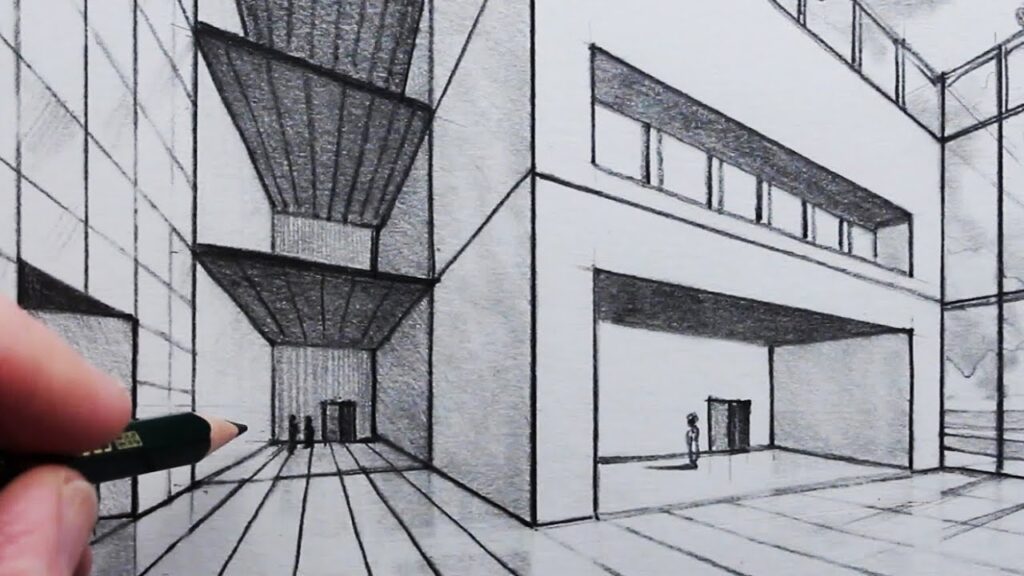
Standard architectural drawing services provide all the essential plans needed for a successful construction project. These usually include:
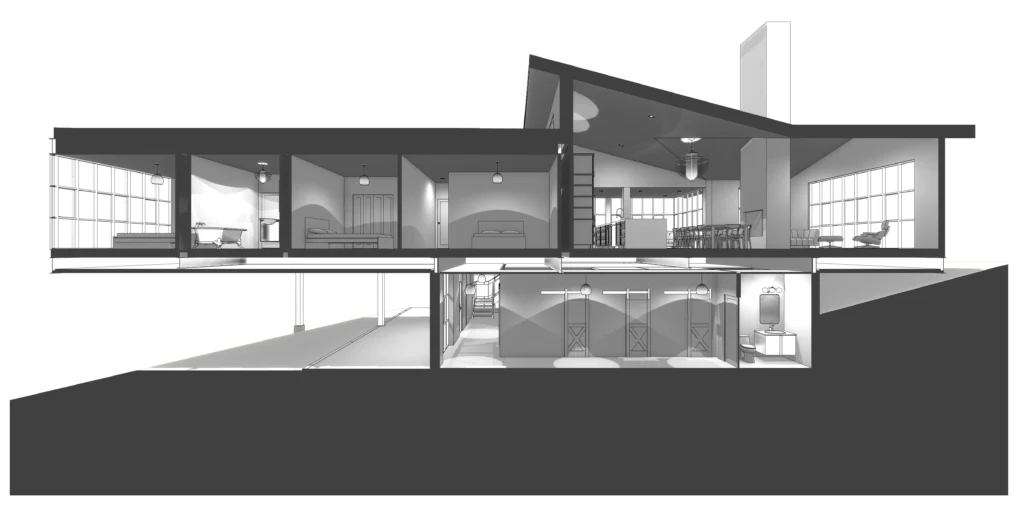
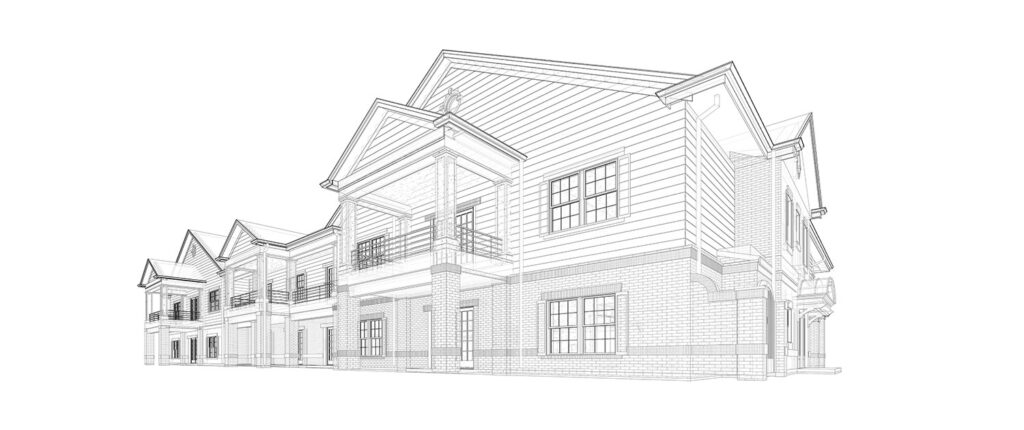
- Floor plans, elevations, sections, and site plans
- 3D models and visualizations for better project understanding
- Structural, plumbing, and electrical layout drawings
These services ensure that every aspect of your project is properly planned before construction begins.
Optional or Advanced Services
Many architectural services also offer optional or advanced plans to improve project outcomes. These may include:
- Interior design guidance and material selection
- Landscape and environmental planning for sustainable projects
- Cost estimation and bill of quantities to support budgeting
Adding these services provides a more comprehensive view of the project and can further enhance construction planning efficiency.
Cost Breakdown
Average Cost of Architectural Drawings in Kenya
The cost of architectural drawings in Kenya varies depending on the type of project. Residential, commercial, and mixed-use projects all have different pricing due to size and complexity.
Factors that affect costs include the scale of the project, the number of drawings required, and the specific services included, such as 3D modeling or structural layouts. Knowing these costs upfront helps homeowners and investors plan budgets more accurately and avoid surprises.
How Drawings Reduce Hidden Costs
Quality architectural drawings help reduce hidden costs during construction. By providing precise specifications, they help avoid errors and reworks that can be expensive and time-consuming.
They also reduce labor delays by giving workers clear instructions, so projects stay on schedule. Accurate drawings allow for precise material orders, preventing over-purchasing and minimising waste.
Factors Influencing Costs
Project Size and Complexity
The size and complexity of a construction project heavily influence the cost of architectural drawings. Larger buildings require more detailed plans, while specialised structures often need additional design considerations.
Complex designs may involve multiple revisions and specialised drawings, which increase both time and cost. Planning ahead helps ensure that your budget aligns with project requirements.
Quality and Experience of the Architect
The experience and expertise of the architect play a major role in determining the cost and quality of architectural drawings. Experienced professionals may charge more, but they deliver accurate drawings that reduce mistakes and save money in the long term.
Choosing low-cost providers without checking credentials can lead to errors, reworks, and project delays. Investing in a skilled architect ensures both accuracy and cost savings.
Technology and Tools Used
Modern architectural tools like CAD, BIM, and 3D modeling can affect the cost and accuracy of drawings. These technologies allow architects to produce precise, detailed plans that enhance efficiency on site.
Using advanced tools helps minimise errors, streamlines construction planning, and can even reduce material waste. While it may increase upfront costs, the long-term savings make it worthwhile.
Legal & Regulatory Considerations
Compliance with County Building Codes
Ensuring that architectural drawings in Kenya comply with local building codes is crucial. Drawings must meet all county regulations to avoid fines, penalties, or project delays.
Following proper standards also ensures that your construction is safe and meets legal requirements. This is especially important for residential, commercial, and mixed-use projects across Nairobi and other counties.
Submission for Approvals and Permits
High-quality architectural drawings make the permit approval process faster and smoother. Detailed plans demonstrate compliance and reduce back-and-forth between the client and county authorities.
You also need the correct documentation for submissions, which varies depending on the county. Proper drawings help ensure that all necessary approvals are obtained before construction begins.
How to Choose the Right Architectural Drawing Service
Checklist for Hiring Professionals
Choosing the right provider for architectural drawings in Kenya is essential for project success. Look for verified qualifications, licenses, and a portfolio of completed projects to ensure credibility.
Transparent pricing and clearly defined deliverables are equally important. Knowing exactly what services are included prevents misunderstandings and helps you plan budgets more accurately.
Red Flags to Avoid
When hiring an architectural drawing service, watch out for providers with unclear scopes or extremely low-cost offers. They may lack the experience or resources to deliver accurate plans.
Also, avoid services that do not allow revisions or provide ongoing support. Investing in a reliable professional ensures quality, reduces mistakes, and ultimately saves money.
Benefits of Architectural Drawings in Kenya
Cost Savings and Budget Accuracy
Investing in professional architectural drawings in Kenya can significantly reduce overall construction costs by preventing errors and reworks that often arise from unclear plans. Detailed drawings provide precise material quantities, helping homeowners and contractors order only what is needed, which reduces waste and unnecessary spending. They also allow for more accurate budgeting by giving a clear picture of expected labour, materials, and timelines before construction begins.
Efficient Construction Planning
High-quality architectural drawings improve construction planning by providing a detailed roadmap for every stage of the project. Builders and contractors can follow clear instructions on dimensions, layouts, and specifications, which minimises delays and keeps the project on schedule. With proper planning, resources are allocated efficiently, and tasks can be coordinated more effectively among teams, resulting in smoother execution and faster completion times.
Enhanced Communication Between Stakeholders
Architectural drawings serve as a universal reference that clearly communicates the design intent to everyone involved in the project. Clients, architects, engineers, and contractors all work from the same visual and technical information, which reduces misunderstandings and ensures that the final structure matches the approved design. This improved communication also makes it easier to address changes or adjustments without causing confusion or costly mistakes.
Compliance with Legal and Regulatory Standards
Professional architectural drawings ensure that your project complies with county building codes and national regulations. This compliance helps prevent legal issues, fines, or delays in obtaining necessary permits. Well-prepared drawings also make the approval process smoother, as they clearly demonstrate adherence to safety, zoning, and environmental requirements, giving both investors and authorities confidence in the project.
Conclusion
Investing in quality architectural drawings in Kenya saves money, prevents errors, and ensures smoother construction projects. By understanding costs, included services, legal requirements, and factors influencing accuracy, homeowners and investors can make informed decisions and avoid unnecessary expenses.


