
Semi-Detached House Designs Kenya
Explore the best semi-detached house designs in Kenya with ready-made plans, affordable layouts, and build-ready ideas. Discover duplex and twin house options, cost estimates, approvals, and where to buy or customise your plans today.
Semi-detached house designs in Kenya are becoming a top choice for investors and homeowners who want to maximise land use while keeping construction costs manageable. These homes combine affordability with modern aesthetics, offering two units joined by a shared wall yet retaining privacy for each occupant. Whether you’re planning to build for rental income or your own family, semi-detached designs provide a smart and sustainable approach to urban and peri-urban living. In this guide, you’ll learn about popular layouts, semi-detached values, and how to buy or commission your ideal semi-detached house plan in Kenya.
Why Choose Semi-Detached Houses in Kenya
Semi-Detached House Designs Kenya
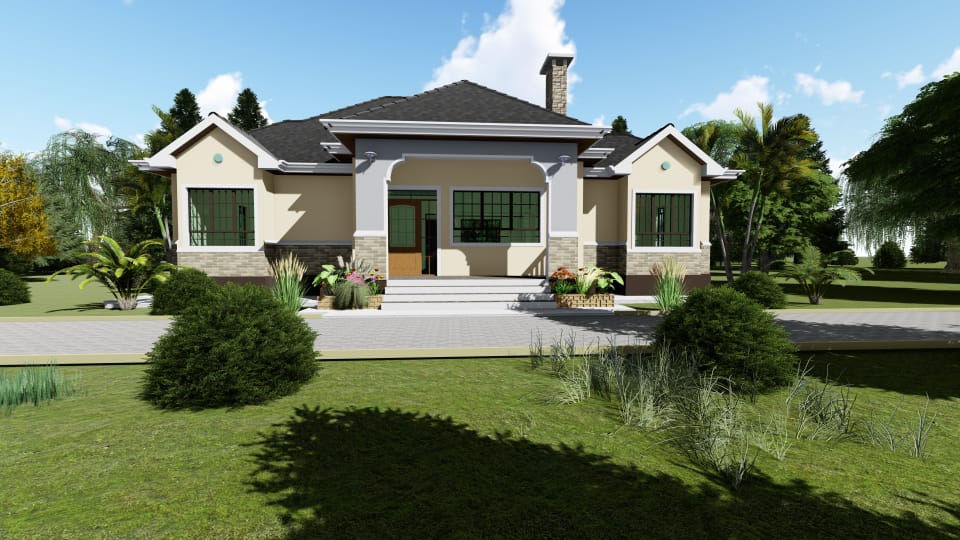
Building a semi-detached home allows property owners to get the most from a single plot while maintaining individual living spaces. This design suits both homeowners seeking affordability and developers eyeing profitable rental projects. In fast-growing towns like Nairobi, Kiambu, and Nakuru, semi-detached layouts offer a balance of privacy, efficiency, and style.
Land Efficiency and Rental Potential
A semi-detached house doubles land use without doubling costs. Each unit can serve as a rental, providing a steady monthly income, or house extended family members. Developers often favour this model because they can build two homes on one 50×100 plot, improving return on investment.
Lower Construction and Maintenance Costs
The shared wall between units cuts down on materials and labour, reducing overall construction expenses by 10–15%. Maintenance costs also drop since units share systems such as drainage and boundary fencing, saving time and money in the long term.
Popular Semi-Detached House Layouts in Kenya
Semi-detached house designs in Kenya vary by size, style, and intended use. Whether you’re developing a rental property or building for your family, choosing the right layout ensures comfort and profitability.
2-Bedroom Semi-Detached Bungalows
These compact layouts suit small families, young couples, or first-time developers on tight budgets. The 2-bedroom design maximises interior space with shared plumbing and utilities, while still maintaining privacy through separate entrances and small verandas.

3-Bedroom Semi-Detached Maisonettes
The 3-bedroom maisonette design fits medium-sized families who desire two floors for separation between social and private areas. These units often include ensuite master bedrooms, open kitchens, and upper-floor balconies, making them attractive for long-term tenants.
4-Bedroom Semi-Detached Duplex
For developers or homeowners with larger plots, the 4-bedroom duplex offers luxury and high rental value. Each side may include two parking bays, servant quarters, and spacious living rooms ideal for urban estates or gated communities.
Design and Site Considerations for Kenyan Plots
Choosing the correct design means balancing your plot size, budget, and lifestyle. Kenya’s diverse climates and local regulations influence how each semi-detached unit should be planned and built.
Ideal Plot Sizes and Setbacks
Common Semi-Detached designs fit perfectly on 40×80 or 50×100 plots. Setbacks should allow at least three metres between the road and the front wall for parking and ventilation. In high-density areas, developers can use corner plots to maximise frontage and light.
Orientation and Ventilation
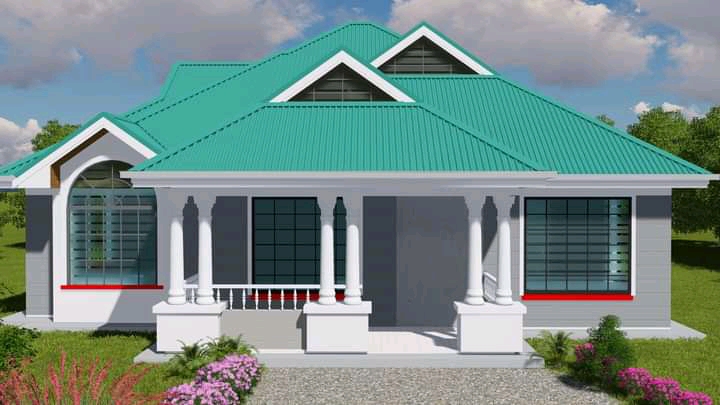
Positioning your house to face north or east allows maximum natural light while keeping interiors cool. Proper cross-ventilation reduces energy costs and mould buildup, improving long-term comfort for occupants.
Parking, Security, and Shared Facilities
Semi-detached houses often feature shared driveways and security gates. Including a perimeter wall and motion lights improves security without major cost increases. Shared boreholes or solar systems also enhance sustainability.
Affordable Housing Designs Kenya: Cost-Saving Strategies
Affordability is central to most semi-detached projects. The right materials and planning approach can lower costs without sacrificing quality or appeal.
Material Choices and Local Alternatives
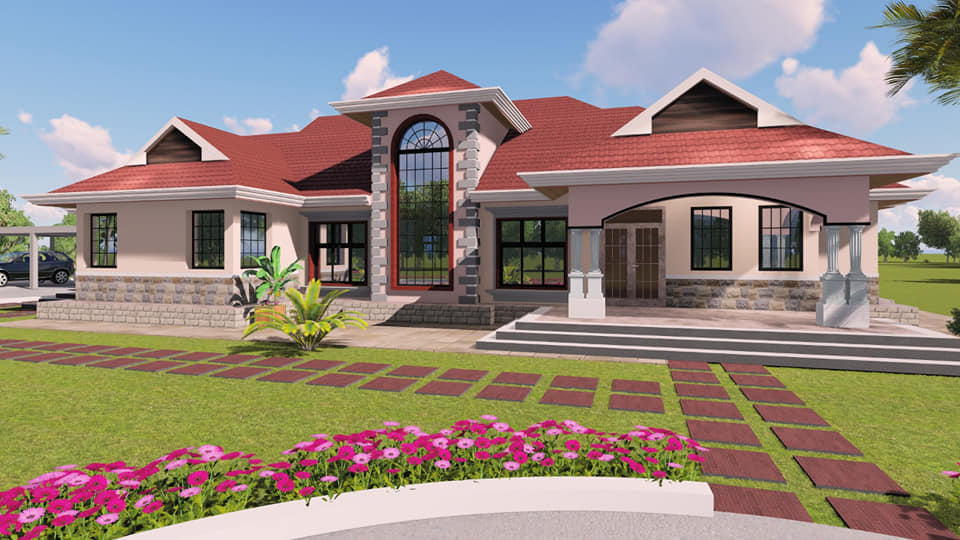
Opt for locally available materials such as machine-cut stones, quarry dust blocks, and mabati roofing to keep expenses low. These materials are durable and easily sourced, helping builders avoid costly transport fees.
Modular and Phased Construction
Many developers build in phases—starting with one unit and later adding the second. Modular construction methods let you complete essential structures first and finish upgrades later, ideal for limited budgets.
Energy-Efficient and Sustainable Design
Solar water heaters, rainwater harvesting, and natural ventilation cut long-term utility costs. Sustainable design not only lowers expenses but also raises property value among eco-conscious buyers.
Duplex House Plans Kenya vs Twin House Designs
When comparing semi-detached, duplex, and twin house designs, understanding the distinctions helps in choosing what best fits your goals.
When Duplex Plans Work Best
Duplex house plans suit owners who want two full-size homes stacked or joined vertically. They maximise vertical space, making them great for narrow plots in cities like Nairobi and Mombasa.
When Twin or Semi Detached Designs Are Better
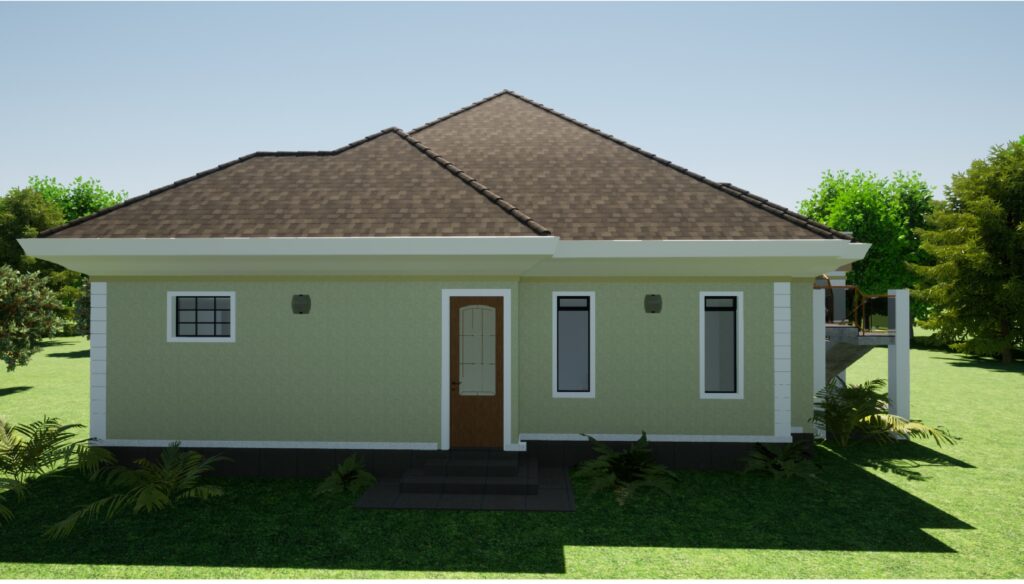
Twin houses share a single wall and layout but allow separate entrances and utilities. Semi-detached to build, maintain, and rent, making them popular among developers focusing on affordable middle-class housing.
Which Option Offers Better ROI
Semi-detached designs often provide quicker payback since you can rent one unit while living in the other. Duplexes, while more expensive upfront, attract higher-end tenants and yield long-term capital gains.
Buying or Commissioning Semi-Detached House Plans
Once you’ve chosen your design, the next step is obtaining detailed house plans. In Kenya, you can either buy ready-made designs or commission a custom plan through a licensed architect.
Ready-Made Plans
Ready-made plans from reputable online marketplaces come complete with floor plans, elevations, and basic structural notes. They save time, cost less, and are easily modified to suit your local council’s building codes.
Custom Asemi-detached Designs
A licensed architect tailors your house plan to your exact plot, slope, and budget. Though more expensive, you gain unique aesthetics and compliance assurance for county approvals.
What’s Included in a Plan Package
Typical deliverables include detailed drawings, foundation layouts, electrical and plumbing schematics, and an optional bill of quantities (BOQ). Always ensure your plan includes the architect’s registration stamp before submission.
Approvals, Building Permits, and Regulations
Before construction starts, Kenyan law requires approval from the relevant county government. Understanding the process saves you time and avoids penalties.
County Building Approval
You’ll submit your architectural and structural drawings for vetting. Approval times vary from two weeks to two months depending on the county. Always attach your land ownership documents and survey plan.
Environmental and Utility Clearances
Projects larger than two units may need NEMA clearance to assess waste management and drainage systems. Utility approvals from KPLC and water providers ensure your design meets safety standards.
Construction Compliance
Semi-detached, ensure your contractor semi-detached drawings and uses registered professionals. Regular site inspections by county officers keep your project compliant from start to finish
Costing, Budgeting, and Finance Options
Understanding costs helps you prepare financially and avoid incomplete projects. Semi-detached houses generally cost less per unit than single dwellings.
Estimating Build Costs
The average construction cost ranges between KSh 35,000–45,000 per square metre depending on finishes. This covers structural works, roofing, finishes, and utilities. Always include a contingency for unforeseen expenses.
Financing and Payment Models
You can finance your build through personal savings, mortgages, or joint venture partnerships. Many developers now partner with SACCOs or microfinance institutions for phased disbursements tied to construction milestones.
Managing Budgets Effectively
Track your expenses with a quantity surveyor and use cost-saving materials without compromising safety. Timely procurement of materials also prevents inflation-related overruns.
Return on Investment and Rental Income
One of the main advantages of semi-detached homes is the potential for steady rental income. Investors can achieve faster payback and stable cash flow.
Calculating Rental Yield
If each unit rents for KSh 45,000 monthly, you earn KSh 90,000 total. With a build cost of around KSh 9 million, that’s roughly a 12% annual yield—significantly better than most single dwellings.
Long-Term Value Appreciation
As urban areas expand, demand for semi-detached houses rises. Properties in gated communities or near major roads appreciate faster due to accessibility and infrastructure growth.
Maximising Occupancy
Attractive finishes, good security, and reliable utilities ensure minimal vacancy. Adding parking space and landscaping further enhances tenant satisfaction and property value.
Conclusion
Semi-detached house designs in Kenya combine affordability, efficiency, and profitability—making them ideal for modern homeowners and investors. With the right plan, budget, and professional support, you can build two quality homes on one plot and enjoy reliable rental returns. Explore ready-made or custom plans today and take the next step toward your dream property.


