
Kenya Infrastructure Spending 2026
Explore how Kenya’s infrastructure spending in 2026 will drive economic growth, unlock investment opportunities, and shape the country’s economic outlook.
Introduction
Kenya Infrastructure Spending 2026
Kenya’s infrastructure agenda for 2026 is a major driver of economic transformation. Strategic investments in transport networks, energy systems, water infrastructure, and urban development are expected to boost economic growth, create jobs, and attract both local and foreign investment. These projects form a core part of Kenya’s economic outlook 2026 and highlight the role of infrastructure-led growth in Kenya.
For businesses and investors, understanding the Kenya infrastructure spending 2026 plan provides insight into key opportunities and potential risks. This guide outlines spending priorities, flagship projects, and growth drivers shaping Kenya’s economy, with practical insights for strategic planning.
Quick Snapshot: Kenya Infrastructure Spending 2026
| Aspect | Key Takeaway |
| Primary Focus | Infrastructure-led economic growth through strategic public investment in 2026 |
| Key Sectors | Transport (roads, expressways, SGR), energy & power transmission, water & irrigation, ports, airports, urban transit |
| Flagship Projects | SGR expansion, expressway upgrades, airport and port modernization, energy grid upgrades, major dams |
| Main Growth Drivers | Improved connectivity, construction sector expansion, PPP participation, services & logistics growth |
| Financing Models | Government budget allocations, Public-Private Partnerships (PPPs), National Infrastructure Fund, diaspora bonds, asset sales |
| Economic Impact | Higher GDP contribution, job creation, stronger regional trade, improved private sector productivity |
| Investment Opportunities | Transport & logistics, energy projects, water infrastructure, ICT & digital infrastructure, urban development |
| Key Risks | Debt sustainability, fiscal pressure, funding gaps, project delays, governance and execution risks |
| Strategic Outlook | Infrastructure remains a central pillar of Kenya’s economic outlook 2026, with strong multiplier effects across sectors |
Overview of Kenya Infrastructure Spending 2026
Fiscal Priorities and Budget Allocations
Kenya’s infrastructure spending 2026 is guided by carefully defined fiscal priorities aimed at balancing growth with debt sustainability. The government plans to allocate substantial funding to key sectors including transport, energy, and water, ensuring projects that directly support infrastructure-led growth in Kenya are prioritized. Budget allocations also include contingency reserves to mitigate risks from funding gaps or project delays.
Alignment with National Development Plans
The 2026 infrastructure agenda is closely aligned with Kenya’s Big Four Agenda and Vision 2030 development blueprint. Projects are selected based on their potential to enhance regional connectivity, boost industrialization, and improve social infrastructure. Aligning spending with national development plans ensures that investments contribute to sustainable economic growth and maximize returns for both public and private stakeholders.
Link to Kenya Economic Outlook 2026
Infrastructure spending is a key driver of Kenya’s economic outlook 2026, influencing GDP growth, job creation, and private sector participation. Analysts project that increased investment in roads, energy, and urban transit will stimulate multiple sectors, including construction, logistics, and ICT. Understanding these linkages helps investors and policymakers anticipate which areas of the economy are likely to benefit most from government infrastructure spending.
Strategic Infrastructure Priorities & Flagship Projects
Transport & Logistics (Roads, Expressways, SGR Expansion)
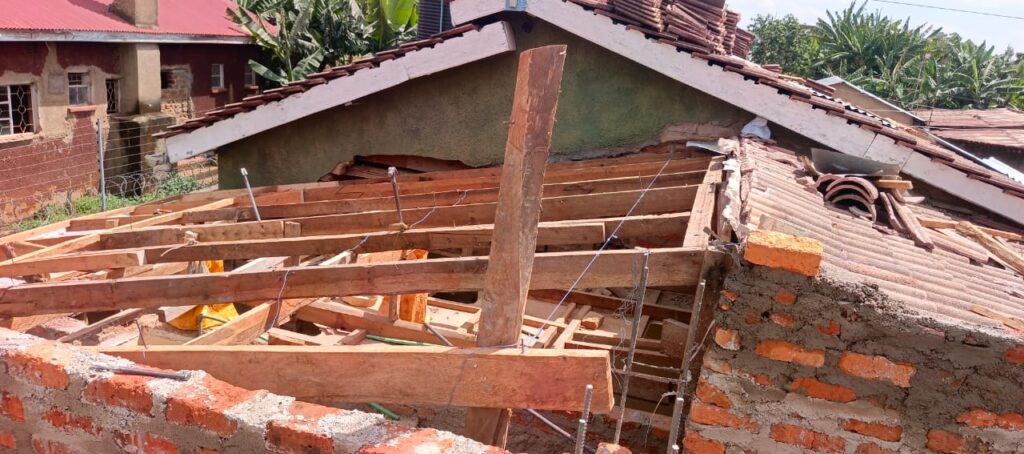
Transport infrastructure remains at the heart of Kenya’s 2026 investment agenda. Expansion of highways, expressways, and the Standard Gauge Railway (SGR) is expected to reduce travel times, improve logistics efficiency, and enhance regional trade. These transport initiatives support infrastructure-led growth in Kenya by facilitating the movement of goods and people, while attracting private investment in logistics and industrial hubs.
Energy & Power Transmission Initiatives
Energy infrastructure is critical for Kenya’s economic competitiveness. The 2026 plan includes new transmission lines, renewable energy projects, and upgrades to the national grid to meet growing demand. Reliable energy supply is a catalyst for manufacturing, ICT, and services sector growth, making these initiatives an essential component of Kenya’s economic growth drivers.
Water Infrastructure & Irrigation Projects
Investment in water infrastructure, including dams, pipelines, and irrigation systems, aims to secure water supply for urban areas and agriculture. These projects enhance food security, support agribusiness growth, and create opportunities for private sector partnerships. Expanding water access also strengthens the link between infrastructure investment and economic growth in Kenya, particularly in rural regions.
Airports, Ports, and Urban Transit Enhancements
Upgrading airports, ports, and urban transit systems is essential for improving Kenya’s global connectivity and supporting trade. Key initiatives include expanding Jomo Kenyatta International Airport, modernizing Mombasa Port, and developing urban mass transit solutions. These enhancements reduce congestion, improve efficiency, and position Kenya as a regional hub, reinforcing the country’s infrastructure-led economic growth strategy.
Infrastructure Financing & Public‑Private Partnerships (PPPs)
Role of PPPs in Infrastructure Delivery
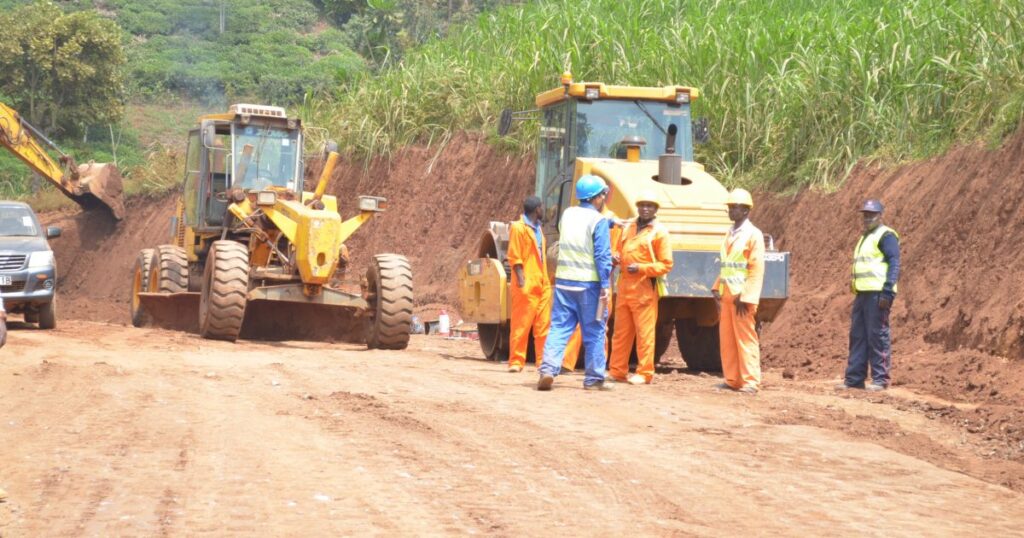
Public-private partnerships (PPPs) play a critical role in implementing Kenya’s infrastructure spending 2026 plan. By leveraging private capital, expertise, and technology, PPPs accelerate project completion and reduce fiscal pressure on the government. These partnerships are especially important for large-scale transport, energy, and urban infrastructure projects, supporting infrastructure-led growth in Kenya while ensuring long-term sustainability.
National Infrastructure Fund & Capital Mobilization
The National Infrastructure Fund is a key mechanism to mobilize resources for Kenya’s major projects in 2026. It pools government allocations, donor funding, and private investments to finance strategic initiatives in transport, energy, and social infrastructure. Effective use of this fund ensures consistent cash flow for priority projects, supporting Kenya’s economic growth drivers and improving investor confidence.
Innovative Financing Models (Diaspora Bonds, Asset Sales)
To supplement traditional funding, Kenya is adopting innovative financing models such as diaspora bonds, infrastructure bonds, and selective asset sales. These approaches provide additional capital for large-scale infrastructure projects while diversifying funding sources. By tapping into these mechanisms, Kenya strengthens its infrastructure investment plan 2026 and creates opportunities for both local and international investors.
Infrastructure’s Impact on Kenya’s Economy
Construction Sector Growth & GDP Contribution
The construction sector is a direct beneficiary of Kenya’s infrastructure spending 2026, with projects in roads, energy, and water driving significant GDP contributions. Increased demand for construction materials, skilled labor, and project management services stimulates economic activity across multiple sectors. This expansion reinforces Kenya’s economic outlook 2026 and strengthens the foundation for long-term growth.
Job Creation and Local Value Chains
Infrastructure investments in 2026 are expected to create thousands of direct and indirect jobs across the country. From construction workers to engineers and local suppliers, the projects stimulate domestic value chains, supporting SMEs and boosting household incomes. This employment effect directly ties infrastructure spending to economic growth drivers in Kenya, improving both social and economic outcomes.
Enhanced Connectivity and Regional Trade
By expanding transport networks, upgrading ports, and modernizing airports, Kenya strengthens its position as a regional trade hub. Improved connectivity reduces logistics costs, enhances supply chain efficiency, and promotes exports, supporting Kenya’s infrastructure-led growth strategy. These benefits extend beyond national borders, encouraging cross-border trade and integration within the East African region.

Opportunities for Investors & Businesses
Investment Sectors with High Growth Potential
Kenya’s infrastructure spending 2026 opens significant opportunities for investors across multiple high-growth sectors. Key areas include transport and logistics, energy generation and transmission, water supply and irrigation, and urban real estate development. These sectors not only promise strong returns but also align with Kenya’s infrastructure-led growth strategy, making them ideal for both local and foreign investment.
PPP Tender Opportunities and Market Entry Channels
Public-private partnerships (PPPs) offer structured pathways for businesses to participate in Kenya’s infrastructure projects. Investors can access tenders in road construction, energy projects, and urban transit systems through competitive bidding, consortium partnerships, or government-backed frameworks. Understanding these PPP tender opportunities enables businesses to plan market entry effectively and leverage Kenya’s infrastructure investment plan 2026.
ICT and Digital Infrastructure Expansion
The government’s 2026 infrastructure agenda emphasizes ICT and digital infrastructure as catalysts for innovation and efficiency. Expanding broadband connectivity, smart city initiatives, and digital payment systems create new opportunities for technology companies, startups, and service providers. These investments not only support Kenya’s economic growth drivers but also enhance competitiveness in East Africa’s digital economy.
Challenges & Risk Management in Infrastructure‑Led Growth
Fiscal Sustainability and Debt Dynamics
While infrastructure spending drives growth, Kenya must carefully manage fiscal sustainability and debt dynamics. Excessive borrowing could strain public finances, increase debt servicing costs, and limit future budget flexibility. Strategic planning, prioritization of high-impact projects, and utilization of innovative financing models are crucial to maintain economic stability while achieving infrastructure-led growth in Kenya.
Project Implementation & Governance Risks
Large-scale infrastructure projects face implementation challenges including delays, cost overruns, and governance issues. Effective project management, transparent procurement, and stakeholder engagement are essential to mitigate these risks. Addressing these governance challenges ensures that Kenya infrastructure spending 2026 achieves its intended economic impact.
Environmental & Social Considerations
Infrastructure projects can have significant environmental and social impacts if not properly managed. Integrating environmental assessments, community engagement, and sustainable construction practices ensures projects support long-term growth without harming ecosystems or local communities. These measures reinforce Kenya’s infrastructure investment plan 2026 as both economically and socially sustainable.
Conclusion
Kenya’s infrastructure spending 2026 represents a major investment in the nation’s economic foundation and competitiveness. With ambitious transport corridors, energy infrastructure, water projects, and innovative financing mechanisms, the agenda is set to drive growth, attract investment, and create jobs. Effective risk management and strong public-private collaboration will be crucial to realize these benefits.


