
Learn how to reduce construction costs in Kenya with proven strategies used by experts. Discover smart planning, material savings, labor optimization, and design tips to cut building costs by up to 40% without compromising quality. Ideal guide for homeowners and investors planning construction projects in 2026.
Introduction
How to Reduce Construction Costs in Kenya
Construction costs in Kenya have been steadily rising over the past few years, driven by factors such as increasing prices of building materials, higher labor charges, and ongoing economic pressures. Key inputs like cement, steel, and fuel have seen frequent price fluctuations, making it more challenging for homeowners and developers to stick to their original budgets. As a result, many projects end up costing far more than initially planned.
In 2026, cost control is no longer optional—it is essential. Inflation continues to affect the price of materials and services, while skilled labor is becoming more expensive due to growing demand in the construction sector. Without a clear strategy to manage these costs, even a modest building project can quickly become financially overwhelming.
One of the most common mistakes people make is focusing solely on buying the cheapest materials available. While this may seem like a cost-saving approach, it often leads to poor quality, frequent repairs, and higher long-term expenses. True cost reduction comes from smart planning, efficient design, and proper project management.
This guide will walk you through practical, proven strategies to reduce construction costs in Kenya—without compromising on quality, durability, or the overall value of your investment.
Understanding Construction Costs in Kenya
To effectively reduce construction costs in Kenya, it is important to first understand where the money goes. A typical building project is made up of several key cost components. Materials usually take the largest share, accounting for about 40–60% of the total cost. These include cement, sand, ballast, steel, timber, roofing materials, and finishes. Labor costs follow at around 20–30%, depending on the complexity of the project and the level of skill required. Professional fees—such as payments to architects, engineers, and quantity surveyors—typically range between 10–15%, while approvals and permits from county governments and regulatory bodies also add to the overall cost.
Location plays a major role in determining construction expenses. Building in urban areas like Nairobi is generally more expensive due to higher labor rates, stricter regulations, and increased material costs. In contrast, rural areas may offer cheaper labor and land, but costs can rise due to transportation challenges and limited access to quality materials.
Many developers also overlook hidden costs that significantly impact the final budget. Transport expenses for materials can quickly add up, especially if the site is far from suppliers. Site conditions—such as rocky ground, poor soil, or sloping land—may require additional work like excavation or foundation reinforcement. Delays caused by weather, funding gaps, or poor coordination can further increase labor and material costs.
Poor planning is one of the biggest contributors to cost overruns, often increasing total expenses by up to 30%. Without a clear budget, proper scheduling, and professional guidance, small inefficiencies can compound into major financial losses.
Smart Planning: The #1 Cost-Saving Strategy
Smart planning is the most effective way to reduce construction costs in Kenya. Before any building begins, having a clear, detailed construction plan ensures that every stage of the project is well thought out, budgeted, and coordinated. Without proper planning, projects often experience delays, cost overruns, and unnecessary changes that significantly increase expenses.
Working with the right professionals is a key part of this process. An architect helps translate your vision into a practical and cost-effective design, ensuring optimal use of space and materials. A quantity surveyor, on the other hand, plays a critical role in cost control by preparing accurate estimates, tracking expenses, and advising on ways to stay within budget throughout the project.
One of the most valuable tools in construction planning is the Bill of Quantities (BQ). A BQ provides a detailed breakdown of all materials, labor, and costs required for the project. This document not only helps in budgeting but also allows you to compare contractor quotations and avoid being overcharged. It brings transparency and financial control from the very beginning.
Conducting a feasibility study before starting construction is equally important. This involves assessing the site, estimating total costs, and determining whether the project is financially viable. It helps identify potential challenges early, allowing you to make informed decisions before committing resources.
Perhaps most importantly, good planning helps you avoid design changes during construction. Alterations made midway often lead to wasted materials, additional labor, and delays. By finalizing all designs and plans upfront, you can maintain control over your budget and ensure a smooth, cost-efficient building process.
Choose the Right House Design
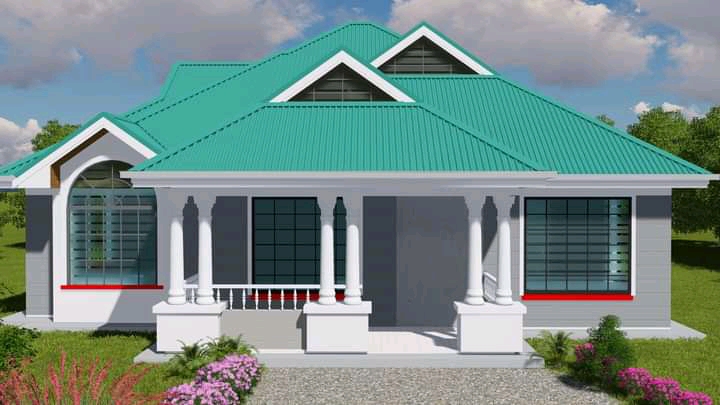
The design you choose has a direct impact on your overall construction cost. Simple house designs are generally more affordable to build compared to complex ones. Designs with multiple corners, curves, and intricate architectural details require more materials, skilled labor, and time—driving up costs significantly. On the other hand, simple layouts are easier to execute, faster to complete, and more cost-efficient.
To keep costs low, it is advisable to go for practical design features. Rectangular or square layouts are among the most economical because they minimize material wastage and simplify construction. Reducing unnecessary corners and curves also lowers both material and labor costs. Additionally, sticking to standard room sizes helps avoid customization expenses, especially when it comes to roofing, doors, windows, and finishes.
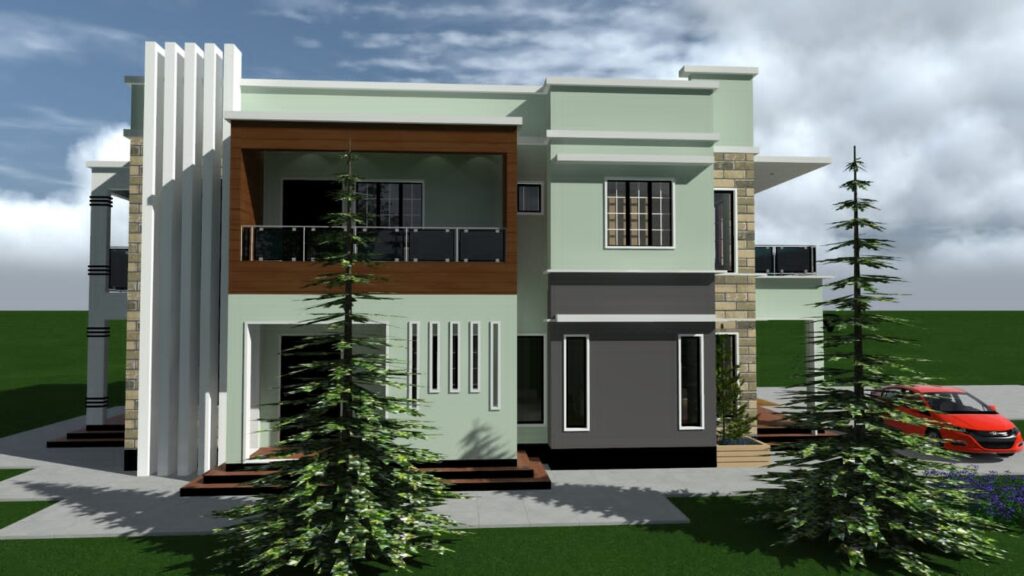
Different house types also come with varying cost implications. Bungalows are generally cheaper per unit to construct due to their simplicity, but they require more land. Maisonettes maximize space on smaller plots but are more expensive due to additional structural requirements like staircases and stronger foundations. Apartments, especially multi-unit developments, can be more cost-effective per unit in the long run due to shared walls and foundations, making them ideal for investment purposes.
Roof design is another major cost factor. Flat roofs are often perceived as modern and can be cheaper initially, but they require proper waterproofing and maintenance. Pitched roofs, while slightly more expensive upfront, are durable, easier to drain rainwater, and often more suitable for Kenya’s climate. Choosing the right design balances both initial costs and long-term value.
Buy Materials Strategically
Material costs make up the largest portion of any construction budget in Kenya, so buying them strategically can lead to significant savings. One of the most effective approaches is bulk purchasing. Buying materials like cement, steel, sand, and ballast in large quantities often attracts discounts from suppliers and reduces repeated transport costs. It also protects you from sudden price increases during the construction period.
Sourcing materials locally is another smart strategy. Locally available materials are generally cheaper because they eliminate high transport and importation costs. While some imported materials may offer higher quality or specific finishes, they should only be used where necessary to avoid inflating the budget.
It’s also important to understand seasonal price fluctuations. In Kenya, construction material prices often rise during peak building seasons and drop during rainy periods when demand is lower. Planning your purchases around these cycles can help you secure better deals and stretch your budget further.
Avoiding middlemen is another key cost-saving tactic. Buying directly from manufacturers, quarries, or authorized distributors ensures you get fair prices and genuine products. Middlemen often add unnecessary markups that increase your overall costs.
To get the best value, always compare multiple suppliers before making a purchase. Take time to evaluate prices, quality, and reliability. Working with trusted hardware stores helps ensure consistency and reduces the risk of delays.
Finally, be cautious of fake or substandard materials. While they may seem cheaper upfront, they compromise the strength and durability of your building, leading to costly repairs in the future. Investing in quality materials from the start is a smarter and more cost-effective decision in the long run.
Optimize Labor Costs Without Compromising Quality
Labor is one of the major cost components in any construction project in Kenya, typically accounting for 20–30% of the total budget. Optimizing these costs does not mean hiring the cheapest workers, but rather ensuring you get the right skill level for each task at a fair and efficient rate.
A key decision is choosing between skilled and unskilled labor. Skilled workers such as masons, carpenters, and electricians may charge higher rates, but they deliver quality work that reduces errors and future repair costs. Unskilled labor is useful for basic tasks like site clearing and material handling, helping to reduce overall expenses when used appropriately.
Another important consideration is whether to hire a professional contractor or rely on a fundi-led approach. Contractors often provide structured management, better coordination, and accountability, which helps avoid delays and wastage. While a fundi approach may appear cheaper initially, it can lead to mismanagement, inconsistent quality, and higher long-term costs.
Avoiding rework is one of the biggest ways to save on labor expenses. Poor workmanship or unclear instructions often result in demolition and rebuilding, which doubles labor costs and wastes materials. Clear communication and proper planning are essential to prevent this.
Supervision also plays a critical role in cost control. Having a site manager or clerk of works ensures that work is done according to design specifications and quality standards. Regular supervision helps identify mistakes early, maintain efficiency, and keep the project within budget and schedule.
Build in Phases
Phased construction is a strategy where a building project is completed in stages rather than all at once. Instead of trying to raise the full structure immediately, the project is broken down into manageable phases such as foundation, walling, roofing, finishing, and eventual extensions. This approach is especially common in Kenya where many developers are self-financing their projects.
This method works best for individuals or investors who do not have the full budget available upfront but still want to start construction. It allows the project to begin early while giving the owner time to raise additional funds for each subsequent stage.
One of the main benefits of building in phases is financial flexibility. You can adjust spending based on available resources without stopping the entire project. It also reduces financial strain since you are not required to commit a large lump sum at once. This makes construction more manageable and less stressful.
However, phased construction also comes with risks. One major challenge is inflation, where material and labor costs may increase between phases, making later stages more expensive. There is also the risk of prolonged timelines, which can expose the structure to weather damage or deterioration if left unfinished for long periods.
To manage these risks, it is important to have a clear long-term plan, secure essential structural work first (like foundation and roofing), and store materials properly when purchased early. Proper planning ensures phased construction remains a cost-effective strategy rather than a costly delay.
Use Alternative Building Technologies
Alternative building technologies are becoming an increasingly popular way to reduce construction costs in Kenya while improving efficiency and speed of delivery. These modern methods reduce reliance on traditional stone masonry, which is often labor-intensive, time-consuming, and expensive.
One of the most common options is interlocking blocks, which are designed to fit together without the need for mortar in some applications. This reduces cement usage and significantly cuts down on labor costs while speeding up construction.
Precast concrete panels are another efficient option. These components are manufactured off-site and assembled on-site, reducing construction time and ensuring consistent quality. They are especially useful for large-scale projects such as apartments and commercial buildings.
Expanded Polystyrene (EPS) technology involves lightweight panels filled with concrete, offering excellent insulation and faster construction times. EPS reduces the amount of steel and cement required, making it a cost-effective solution in the long term.
Steel frame construction is also gaining popularity, particularly for modern designs. It allows for faster erection of structures and reduces foundation costs due to its lighter weight compared to traditional stone buildings.
When compared to conventional stone construction, these alternative methods may have a slightly higher upfront material cost in some cases. However, the overall savings come from reduced labor, faster completion time, and minimized material wastage.
In the long run, these technologies offer significant savings by lowering labor dependency and shortening project timelines. They also improve quality consistency and reduce the risk of construction errors, making them a smart choice for developers looking to balance cost, speed, and durability.
Minimize Wastage on Site
Wastage on construction sites is one of the most overlooked factors that significantly increases building costs in Kenya. Even small inefficiencies in material usage can accumulate into major financial losses over the course of a project. The most commonly wasted materials include cement, sand, and steel, all of which are expensive and essential for structural integrity.
Cement is often wasted due to poor mixing ratios, exposure to moisture, or improper storage. Sand can be lost through spillage, contamination with soil, or over-ordering without proper measurement. Steel waste usually results from inaccurate cutting, poor design interpretation, or lack of proper handling during fabrication and installation.
Proper storage and handling of materials are crucial in minimizing these losses. Cement should be stored in a dry, raised area and covered to prevent moisture damage. Sand and ballast should be stored in designated, well-contained areas to avoid contamination and mixing. Steel should be kept off the ground and protected from rust and bending.
Accurate measurements also play a key role in reducing wastage. Using a Bill of Quantities (BQ) and following design specifications ensures that materials are ordered and used correctly, avoiding overestimation or shortages that lead to emergency purchases at higher prices.
Finally, strong site discipline and supervision are essential. A well-managed site with clear responsibilities ensures materials are used efficiently and wastage is minimized. Regular monitoring by a site supervisor or clerk of works helps maintain accountability and ensures every resource is used effectively, ultimately reducing overall construction costs.
Time Management and Project Scheduling
Time management is a critical factor in controlling construction costs in Kenya. Delays in a project almost always lead to increased expenses due to extended labor payments, price fluctuations in materials, and additional equipment or supervision costs. Even a short delay can significantly disrupt the budget and overall project plan.
Having a clear and realistic project timeline is essential. A well-structured schedule outlines each phase of construction—from site preparation and foundation work to finishing—and ensures that every activity is completed in the right sequence. This helps avoid idle time and improves coordination between different teams working on-site.
Weather conditions also play a major role in construction planning. In Kenya, rainy seasons can slow down or completely halt outdoor activities such as excavation, foundation laying, and wall construction. Proper planning should take seasonal weather patterns into account to minimize interruptions and avoid unnecessary delays.
Contractor accountability is another key aspect of time management. A reliable contractor should adhere strictly to agreed timelines and provide regular progress updates. Clear contracts with defined milestones and penalties for delays help ensure that work progresses efficiently and responsibilities are well understood.
Ultimately, good scheduling and strict time management not only reduce costs but also improve project quality and ensure timely completion without unnecessary financial strain.
Reduce Finishing Costs Smartly
Finishing is one of the most expensive stages in construction, and in many projects in Kenya, it is where budgets are most easily exceeded. However, with smart choices, it is possible to significantly reduce finishing costs without sacrificing functionality or appearance.
One major area of savings is flooring. Polished concrete floors are a cost-effective alternative to ceramic or porcelain tiles. They are durable, low maintenance, and eliminate the need for tile adhesives and grout, which further reduces costs. Tiles, while attractive, can quickly increase both material and labor expenses.
Cabinetry is another key cost driver. MDF (Medium Density Fibreboard) cabinets offer a more affordable option compared to hardwood. They are easier to install, widely available, and can still provide a modern and stylish finish when properly designed and painted. Hardwood, although durable, is significantly more expensive and often unnecessary for standard residential projects.
Wall finishing choices also affect the budget. Paint is generally more economical than wallpaper and allows for easier maintenance and repainting over time. Wallpaper may offer decorative appeal, but it comes with higher installation costs and limited durability in some environments.
Prioritizing essential finishes first is a smart strategy. Focus on functional areas such as floors, kitchens, and bathrooms before investing in decorative elements. This ensures the house is usable while allowing upgrades over time.
Avoiding over-luxury spending is crucial. Many homeowners overspend on high-end finishes that do not necessarily add proportional value. A balanced approach ensures cost efficiency while still achieving a clean, modern, and comfortable living space.
Understand Government Approvals and Legal Costs
Before starting any construction project in Kenya, it is essential to understand and comply with all required government approvals and legal processes. One of the key requirements is registration with the National Construction Authority (NCA), which ensures that contractors and construction works meet the required standards. Failure to comply can result in penalties or even project shutdowns.
County government approvals are also mandatory. These include building plan approvals, zoning compliance, and payment of necessary permit fees. These processes may seem costly and time-consuming, but they are crucial for ensuring that your project is legally recognized and safe to construct.
During construction, inspections are carried out at different stages such as foundation, slab, and structural works. These inspections may involve additional costs, but they help ensure that the building meets safety and quality standards.
Avoiding legal procedures or attempting to bypass approvals can lead to serious consequences, including heavy fines, demolition orders, or costly delays. Such risks often end up being far more expensive than the initial approval costs.
Ultimately, compliance with regulations is not just a legal requirement but also a financial safeguard. Proper approvals help prevent disputes, reduce risks, and ensure smooth project execution. In the long run, following the correct legal procedures saves money by avoiding unexpected penalties and ensuring your investment remains secure and legally protected.
Work with the Right Professionals
Choosing the right professionals is one of the most important decisions that directly affects construction costs in Kenya. A successful project relies on the combined expertise of an architect, structural engineer, and quantity surveyor. Each plays a unique role in ensuring the building is safe, functional, and cost-efficient.
The architect is responsible for developing practical and efficient designs that maximize space while minimizing unnecessary construction costs. The structural engineer ensures the building is safe and structurally sound, preventing costly failures or redesigns in the future. The quantity surveyor plays a critical role in budgeting, cost estimation, and financial control throughout the project.
Many people make the mistake of hiring cheap or unqualified professionals in an attempt to save money. However, this often leads to poor designs, inaccurate cost estimates, and construction errors that result in expensive rework and delays. In most cases, fixing mistakes later costs far more than hiring experienced professionals from the beginning.
Experience is especially important in the Kenyan construction environment, where factors such as material availability, local regulations, and site conditions can vary widely. Professionals familiar with these challenges can help avoid costly mistakes and improve efficiency.
Finally, formal contract agreements are essential. Clear contracts define responsibilities, timelines, and payment terms, helping to prevent disputes and ensure accountability. Working with the right professionals ultimately leads to better cost control, smoother project execution, and higher-quality results.
Real-Life Cost-Saving Example (Kenya Case Study)
To better understand how cost-saving strategies work in practice, consider a typical 3-bedroom bungalow project in Kenya. Initially, the homeowner planned a complex design with multiple roof levels, custom finishes, and premium imported materials. The estimated cost for this version of the project was approximately KSh 6.5 million.
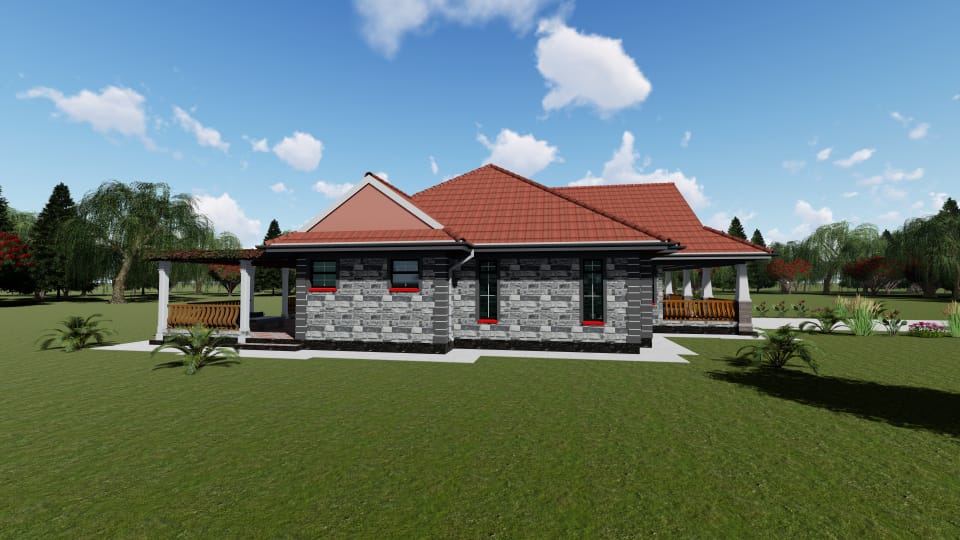
However, after reviewing the design with professionals and applying cost-reduction strategies, several changes were made. The layout was simplified into a more practical rectangular design, reducing unnecessary structural complexity. The roof design was also changed to a standard pitched roof, which is more affordable and easier to construct. These adjustments significantly reduced both material and labor requirements.
In addition, the construction team shifted to locally sourced materials where possible, such as cement, sand, and timber, instead of relying on expensive imported alternatives. Bulk purchasing was also introduced, helping to lower unit costs and reduce transport expenses.
Proper site supervision was implemented to ensure efficient use of materials and minimize wastage. This helped avoid costly mistakes and rework during construction.
After these optimizations, the total project cost dropped to approximately KSh 4.8 million, resulting in savings of about KSh 1.7 million. Despite the reduced budget, the final structure remained strong, functional, and aesthetically pleasing.
This case clearly demonstrates that thoughtful design, smart material sourcing, and effective supervision can dramatically reduce construction costs without compromising quality or durability.
Common Mistakes That Increase Construction Costs
Many construction projects in Kenya become expensive not because of high material prices alone, but due to avoidable mistakes made during planning and execution. One of the most costly errors is changing the design midway through the project. Any alteration after construction has started often leads to wasted materials, rework, and delays, all of which significantly increase costs.
Poor budgeting is another major issue. When a project is started without a realistic and detailed budget, it becomes easy to overspend or run out of funds before completion. This often forces owners to compromise on quality or pause construction, which further raises costs due to inflation and delays.
Hiring unqualified fundis in an attempt to save money can also backfire. While their rates may be lower, poor workmanship often leads to structural issues, rework, and material wastage, which end up costing more in the long run.
Ignoring professional advice is another common mistake. Architects, engineers, and quantity surveyors provide essential guidance that helps avoid design flaws, structural risks, and financial inefficiencies. Bypassing their input often results in costly corrections later.
Lastly, underestimating the total project cost leads to financial strain. Many homeowners only consider initial construction expenses and forget finishing, approvals, and contingency costs. Proper planning and realistic cost estimation are key to avoiding budget shortfalls and ensuring smooth project completion.
Conclusion: Build Smart, Not Cheap
Reducing construction costs in Kenya is not about cutting corners or choosing the cheapest options available. Instead, it is about making informed, strategic decisions from the very beginning of the project. As seen throughout this guide, proper planning remains the foundation of every successful and cost-efficient construction project. Without it, even small mistakes can quickly lead to major financial losses.
Smart decision-making in areas such as design selection, material sourcing, labor management, and professional involvement can significantly reduce overall construction expenses. Each stage of the building process offers opportunities to save money when handled correctly and with the right expertise.
It is important to understand that cost reduction does not mean compromising on quality. In fact, when done properly, it improves efficiency, reduces wastage, and enhances the durability and value of the final structure. A well-planned project ensures that resources are used effectively without unnecessary spending.
Ultimately, a well-managed construction project in Kenya can save between 20–40% of total costs compared to poorly planned developments. The difference lies in preparation, discipline, and working with the right professionals.
Building smart is not just about saving money today—it is about creating long-term value, sustainability, and peace of mind for years to come.
CALL TO ACTION
Ready to build your home or investment property in Kenya without overspending?
Construction success is not just about having a budget—it’s about having the right strategy and the right team guiding you from start to finish. Working with experienced professionals helps you avoid costly mistakes, reduce wastage, and ensure every shilling is used effectively.
We specialize in:
✔ Cost-effective and practical house designs
✔ Accurate budgeting and detailed cost control
✔ Efficient project and construction management
✔ Smart local material sourcing strategies
Whether you’re planning a bungalow, maisonette, or apartment project, the right guidance can help you save hundreds of thousands of shillings while still achieving high-quality results.
Contact us today for:
• Expert construction consultation
• Detailed and realistic project cost estimates
• Professional end-to-end construction support
Start building smarter today—because in construction, what you plan determines what you save.