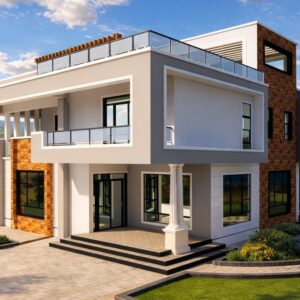
Discover the best flat roof house plans Kenya has to offer. Explore modern flat roof designs, affordable bungalow layouts, and maisonette options. Learn about costs, permits, waterproofing, and how to buy or customise your own flat roof house drawings today.
Introduction — Flat Roof House Plans Kenya
Flat roof house plans in Kenya have become a favorite choice for modern homeowners, developers, and investors. These designs offer sleek aesthetics, usable rooftop space, and cost-friendly structures compared to pitched roofs. Many Kenyans prefer flat roof bungalows or maisonettes for their simplicity, ease of maintenance, and contemporary appeal.
Whether you want a modern flat roof design for personal use or a rental project, understanding the costs, design options, and building process is key. This guide covers everything you need—from the benefits and materials to permits and how to find trusted architects who specialise in flat roof house drawings.
Benefits of Flat Roof House Plans in Kenya
Modern Aesthetic and Space Efficiency
Modern flat roof designs Kenya homeowners love are known for their clean lines and minimalist appeal. They blend well in both urban and rural settings while providing usable space on top for solar panels, gardens, or terraces. The simple geometry also makes construction easier and faster than complex pitched structures.
Cost and Maintenance Advantages
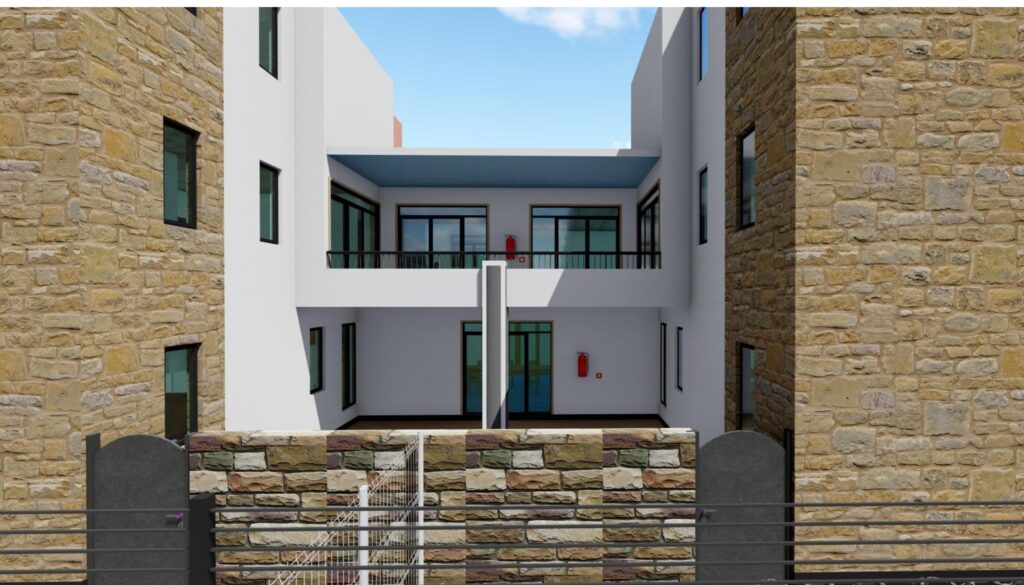
Flat roof bungalow Kenya plans typically cost less to construct because they require fewer materials and less complex frameworks. Maintenance is also simpler since repairs or waterproofing tasks are easier to perform on a flat surface. This affordability makes them ideal for first-time homeowners or developers building rental units.
Adaptable for Future Expansion
Flat roofs allow easy vertical expansion if you plan to add an extra floor or a rooftop lounge later. The reinforced slab structure provides a strong foundation for upward growth, saving future costs. Many Nairobi developers prefer this flexibility when designing rental properties or Airbnb units.
Cost Factors for Flat Roof House Construction in Kenya
Materials and Labour Costs
The main cost drivers for flat roof construction include reinforced concrete slabs, waterproofing membranes, and quality finishes. Local materials such as ballast and cement reduce costs, while imported waterproofing layers can raise the budget slightly. Hiring skilled labour ensures the roof’s slope and drainage are correctly installed to avoid leaks.
Design Complexity and Finishes
Flat roof maisonette plans Nairobi homeowners choose often feature elegant finishes like parapet walls, rooftop decks, or solar installations. The more features you add, the higher the cost. Keeping the design simple—especially for a bungalow—helps control expenses without sacrificing quality or appearance.
Budget Estimates for Different Plan Types
A basic 3-bedroom flat roof bungalow can start around affordable price ranges, while double-storey maisonettes may cost higher depending on finishes. Costs vary by location, access to materials, and professional fees. It’s wise to consult a local architect for exact quotations before purchase or construction.
Design Options — Modern Flat Roof Designs and Bungalows
Flat Roof Bungalows for Compact Plots
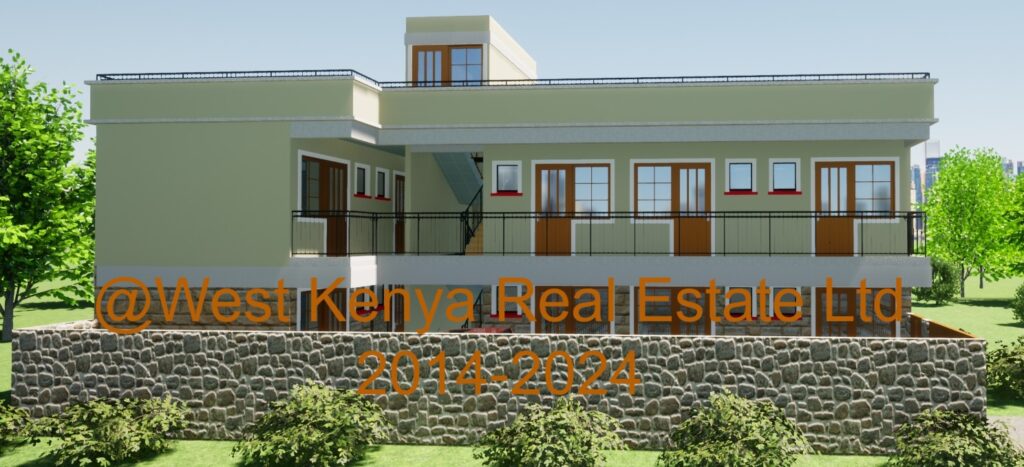
Flat roof bungalows are ideal for smaller plots in towns or estates. Their single-storey layout simplifies construction and makes maintenance easier. The roofs can serve multiple purposes, from water harvesting to adding pergolas for shade or rooftop gardens for relaxation.
Double-Storey and Maisonette Flat Roofs
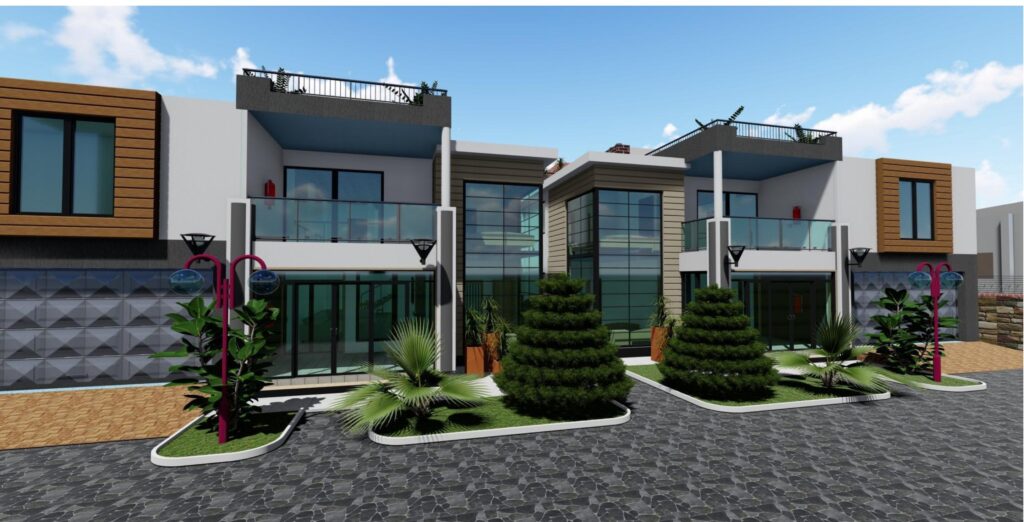
Maisonette-style flat roof houses maximise space vertically, offering extra rooms or rental potential. Their roofs can host terraces or solar panels, adding both functionality and modern appeal. Many Nairobi and Mombasa projects now feature such designs for urban living efficiency.
Hidden Roof and Parapet Options
Hidden roof designs, also called parapet roofs, are popular because they conceal drainage and improve the home’s modern look. The raised walls also protect waterproof membranes from direct sunlight. This approach enhances durability and keeps the home’s exterior sleek and uniform.
Waterproofing, Drainage, and Insulation in Flat Roofs
Importance of Proper Drainage Design
Drainage is crucial in flat roofs since water must flow away efficiently. Engineers design slight slopes, usually 1–2%, to guide rainwater to outlets or scuppers. Without proper drainage, standing water can cause cracks or leaks, especially during Kenya’s heavy rainy seasons.
Waterproofing Materials Commonly Used in Kenya
Contractors use membranes like torch-on bitumen, PVC sheets, or liquid-applied sealants to keep roofs watertight. Bitumen is affordable and widely available, while PVC membranes offer longer durability. Choosing the right system depends on your budget and the roof’s exposure to sunlight.
Insulation and Heat Control
Because Kenya’s climate can get hot, insulating your flat roof reduces indoor heat buildup. Layers of foam boards or reflective paints help keep temperatures comfortable. This also protects the waterproofing membrane from extreme heat, prolonging its lifespan.
Permits and Regulations for Flat Roof Houses in Kenya
Every building in Kenya must get county approval before construction. You’ll need architectural and structural drawings stamped by registered professionals. Some counties, like Nairobi, also require NEMA clearance if the project is large-scale.
Essential Documents and Steps
Key documents include site plans, floor plans, and structural calculations. Once submitted, county engineers review them for safety and zoning compliance. The approval process can take a few weeks depending on the county’s workload.
Working with Registered Professionals
Always work with licensed architects and engineers. They understand local by-laws, set-back rules, and height limits. Their guidance ensures your flat roof house complies with safety standards and qualifies for occupancy certification.
Choosing the Right Architect or Plan Supplier
Buying Ready-Made vs Custom Plans
You can buy ready-made flat roof house drawings Kenya architects offer or request a custom design. Ready-made plans are faster and cheaper, while custom ones reflect your preferences and site conditions. Always verify if plans are approved and modifiable.
Questions to Ask Before Buying
Ask if the plan includes roof detail drawings, waterproofing specs, and cost estimates. Ensure modifications can be made easily and the architect provides after-sale support. Transparency in communication builds trust and prevents costly errors during construction.
Red Flags to Avoid
Avoid designers who refuse to stamp drawings or promise unrealistic construction costs. Lack of references or unclear documentation may indicate inexperience. Always check previous projects and client reviews before signing contracts.
Maintenance and Lifespan of Flat Roofs in Kenya
Routine Inspection Practices
Inspect your flat roof every rainy season to spot cracks, loose flashing, or clogged drains. Preventive maintenance is cheaper than repairs. Proper cleaning and resealing extend the roof’s lifespan for over two decades.
Common Problems and Quick Fixes
Leaks and blistering often occur when waterproofing membranes age or are poorly installed. Fixing them early prevents structural damage and mold growth. Professional inspection ensures accurate diagnosis and long-term solutions.
When to Recoat or Replace Waterproofing
Recoat your roof membrane every 5–8 years depending on material type and weather exposure. High UV exposure areas may need earlier recoating. Using high-quality sealants prevents costly leaks and maintains resale value.
Cost Estimation and Financing Tips
How to Estimate Construction Costs
Flat roof house costs depend on size, finishes, and professional fees. Calculate total square footage and multiply by average cost per square meter in your area. Always include allowances for plumbing, electrical work, and finishing.
Financing Options for Home Builders
Banks, SACCOs, and microfinance institutions offer home-building loans across Kenya. Staggered payments help manage cash flow during construction. Keep all approvals ready, as lenders require project documentation.
Cost-Saving Tips Without Compromising Quality
Use locally available materials and hire certified professionals instead of unskilled labor. Buying materials in bulk or directly from suppliers cuts costs. Always plan for a 10% contingency budget for unexpected expenses.
Roofing Materials and Structural Considerations
Reinforced Concrete Slab Construction
Flat roof construction in Kenya primarily relies on reinforced concrete slabs, which form the main structural surface of the roof. These slabs must be designed by a qualified structural engineer to ensure they can bear loads from people, furniture, solar panels, or water tanks placed on the rooftop. Reinforcement bars, typically high-tensile steel, are arranged within the concrete to provide tensile strength and prevent cracking. Concrete mix ratios must be carefully controlled during casting to achieve proper strength and durability. Builders often use formwork or shuttering to hold the wet concrete until it hardens completely. After curing, the slab surface must be smoothened and treated with bonding agents before waterproofing membranes are applied. Failing to cure properly can lead to cracks that weaken the roof and shorten its lifespan. A well-constructed reinforced slab ensures the roof remains solid, load-bearing, and ready for future rooftop use or vertical expansion.
Structural Load and Support Systems
When designing flat roof house plans in Kenya, the load-bearing system must account for both dead loads (permanent materials) and live loads (people, equipment, or rainfall accumulation). Engineers calculate the total expected load and design columns, beams, and slabs accordingly to avoid deflection or sagging. For maisonettes, the lower floor must also support the extra roof weight, making precise reinforcement detailing essential. Improperly designed support systems can cause hairline cracks or water ponding areas, leading to leakage and long-term structural damage. Many developers underestimate the importance of structural calculations and end up with costly roof repairs. Proper load distribution through columns and beams ensures durability and safety. Using lightweight blocks for walls reduces total pressure on the foundation, enhancing structural stability without sacrificing strength.
Parapet Wall and Drainage Integration
Parapet walls are the short barriers around the edges of flat roofs that enhance aesthetics while preventing water overflow. They also protect the roof membrane from sun exposure and serve as a safety boundary for anyone accessing the roof. However, if parapet walls lack proper weep holes or scupper outlets, they can trap rainwater and cause severe leaks. Engineers must design weep holes at intervals to allow water to drain effectively into gutters. Integrating the drainage system with the parapet walls gives a seamless modern look while improving water flow efficiency. Many Kenyan builders now combine parapet walls with hidden roof gutters for a cleaner façade. Proper detailing and waterproofing around parapet-wall junctions are crucial since these are the most leak-prone areas. This design feature enhances both safety and performance when done right.
Common Flat Roof Design Mistakes and How to Avoid Them
Ignoring Roof Slope Requirements
One of the most common mistakes in flat roof design is assuming the roof should be completely level. In reality, a flat roof must have a minimal slope—typically between 1% and 2%—to allow water to drain properly. Without a slope, rainwater stagnates and seeps through the waterproofing membrane, causing leaks and damp ceilings. In Kenya, where heavy rainfall occurs during long rains, this problem is particularly destructive. The slope can be achieved by adjusting the thickness of the concrete slab or adding screed layers to guide water toward outlets. Always have your architect and engineer collaborate to ensure the slope is consistent across all roof areas. Proper drainage design, including scuppers and internal downpipes, prevents structural damage and mold formation. Ignoring this simple principle is a costly error that can ruin an otherwise excellent house design.
Using Low-Quality Waterproofing Materials
Cheap waterproofing solutions might save money initially but lead to long-term maintenance headaches. Some contractors use paint-based sealants or substandard membranes that degrade quickly under Kenya’s strong sun. Once the membrane cracks, water seeps into the concrete, causing leaks and weakening the reinforcement steel. Investing in high-quality bitumen or PVC membranes with UV protection ensures durability for up to 20 years. While the upfront cost may be higher, it prevents expensive repairs later. Always verify the product brand, origin, and installation method. It’s better to have a trained waterproofing specialist handle the application rather than general laborers. Quality materials combined with skilled installation provide a watertight roof capable of handling heavy downpours.
Overlooking Thermal and Sound Insulation
Flat roofs, if not properly insulated, can transfer heat directly into the living spaces below, making homes uncomfortably hot. Insulation layers—such as polyurethane foam, mineral wool, or reflective coatings—reduce heat absorption and improve indoor comfort. Sound insulation is equally important for homes near busy roads or urban centers. Without it, noise can echo through the slab, affecting privacy and relaxation. Adding insulation not only improves comfort but also reduces energy bills since fans and air conditioners run less frequently. It’s one of the most overlooked aspects of flat roof construction in Kenya but one that significantly impacts living quality.
Sustainable and Energy-Efficient Flat Roof Solutions
Incorporating Solar Power Systems
Flat roofs provide the perfect surface for mounting solar panels due to their wide, unobstructed layout. In Kenya, where solar energy is abundant, this is a great way to cut electricity costs. The panels can be installed at an optimal angle for maximum sunlight exposure. Installing solar systems during construction saves money compared to adding them later. It’s important to consult both your architect and solar technician to design proper wiring routes, inverter locations, and waterproof cable entries. With Kenya’s push toward renewable energy, integrating solar solutions into your flat roof design increases both the home’s efficiency and resale value.
Green Roofs and Rooftop Gardens
Modern flat roof designs in Kenya are increasingly featuring green roofs—rooftop gardens planted with grass, herbs, or ornamental plants. Besides improving aesthetics, they act as natural insulation layers that reduce heat and absorb rainfall. However, green roofs require strong structural design since soil and vegetation add significant weight. Proper waterproofing and root barriers must be installed beneath the soil layer to prevent leaks. When maintained well, these gardens provide a cooling microclimate and contribute to better air quality. They also create beautiful spaces for relaxation or small gatherings, adding lifestyle value to urban homes.
Rainwater Harvesting Systems
Flat roofs are also excellent for harvesting rainwater. The water can be channeled through scuppers and downpipes into storage tanks for domestic or garden use. Installing a basic filtration system ensures the collected water remains clean. This not only reduces water bills but also supports eco-friendly living. In rural or semi-urban areas with limited water supply, rooftop harvesting becomes a sustainable necessity. Designing the drainage system to accommodate this from the beginning is far more efficient than retrofitting later. Combining rainwater harvesting with solar energy creates a highly sustainable home design suited for Kenya’s environment.
Interior Planning and Design for Flat Roof Homes
Maximising Natural Light
Flat roof homes often use large windows and skylights to make up for the lack of high roof angles found in pitched designs. Skylights installed strategically allow daylight to flood interior spaces, reducing dependence on artificial lighting. However, skylight installation must be handled carefully with proper waterproofing around edges. Architects can use light wells or frosted glass to diffuse light evenly without excessive glare. Well-lit interiors create a spacious feel even in compact homes, making them ideal for urban settings where plot sizes are smaller.
Ceiling Finishes and Height Adjustments
Since flat roofs produce a consistent ceiling height, homeowners can experiment with different ceiling finishes like gypsum boards or acoustic panels. The simplicity allows modern minimalist designs that complement the home’s exterior. Adjusting ceiling height slightly in certain areas—like living rooms or staircases—adds visual interest. Care must be taken to maintain enough space between the ceiling and the roof slab for insulation and wiring. Proper ceiling design enhances aesthetics and comfort, giving the home a high-end finish.
Space Planning for Efficiency
Flat roof house plans Kenya developers create are typically open-plan layouts that promote air circulation and flexible living spaces. Architects emphasise spatial flow between the kitchen, dining, and living areas to create a sense of openness. Using sliding glass doors leading to rooftop terraces or balconies enhances indoor-outdoor connection. Efficient planning ensures natural airflow, reducing energy use for ventilation. Good space planning also helps achieve a minimalist, clutter-free interior that reflects modern architectural principles.
Safety and Long-Term Maintenance Practices
Fire Safety and Electrical Considerations
Flat roofs may accommodate equipment like solar panels, AC units, or water tanks, which all involve electrical connections. Using fire-resistant cables and proper circuit breakers is critical to prevent electrical fires. All cabling that passes through the roof must be sealed with waterproof glands to prevent moisture ingress. Kenya’s electrical code requires certified electricians to handle such installations. Maintaining fire extinguishers and accessible rooftop exits ensures safety for residents and workers.
Annual Inspection and Repair Schedule
To ensure longevity, every flat roof should undergo annual inspection by a professional. This includes checking for membrane wear, blocked drainage, and cracks around joints. Scheduling these inspections before the rainy season helps identify and fix problems early. Small repairs like resealing cracks or unclogging drains prevent larger issues that could lead to ceiling leaks or structural damage. Keeping maintenance records helps track the roof’s performance over the years.
Safety Railings and Access Points
If your flat roof is used as a terrace or leisure area, installing safety railings and secure access points is mandatory. Railings should be at least one meter high and firmly anchored to the parapet wall. Access staircases or ladders must be non-slip and corrosion-resistant. For homes with children or frequent visitors, these safety measures prevent accidents and comply with building safety standards. Safety planning should never be overlooked during design or construction.
Conclusion — Why Flat Roof House Plans in Kenya Are Worth It
Flat roof house plans Kenya homeowners choose offer both modern appeal and practical value. They maximise rooftop use, reduce construction time, and provide easy future expansion. When built with proper waterproofing, they’re durable and energy-efficient for Kenyan climates.
Whether you’re looking for a flat roof bungalow Kenya design or a stylish double-storey maisonette, consult a licensed architect for the best results. Choose quality materials, follow regulations, and maintain your roof regularly to enjoy decades of reliable performance.