
Managing Fundi (Labor) Efficiently in Kenya
Learn how to manage fundis efficiently in Kenya with practical tips on hiring, supervision, payments, productivity, contracts, and labor management for successful construction projects.
Introduction: Why Efficient Fundi Management Matters in Kenya
Managing Fundi (Labor) Efficiently in Kenya
The success of any construction project in Kenya largely depends on how well labor is managed on site. From residential homes and rental apartments to commercial buildings and renovations, fundis play a critical role in determining the quality, speed, and overall success of the project. Skilled Kenyan construction workers handle key tasks such as masonry, carpentry, plumbing, electrical installation, tiling, roofing, and painting. Without proper coordination and supervision, even a well-funded project can experience serious setbacks.
Many homeowners, contractors, and developers in Kenya face common labor-related challenges during construction. These include absenteeism, delayed project completion, poor workmanship, material wastage, lack of accountability, and payment disputes. In some cases, unqualified fundis are hired simply because they charge lower rates, only for the project owner to spend more money correcting mistakes later. Poor communication between workers and site supervisors also contributes to costly errors and unnecessary delays.
Effective construction labor management in Kenya is therefore essential for controlling costs, maintaining quality standards, and ensuring projects are completed on time. Proper planning, supervision, motivation, and accountability can significantly improve productivity on site while reducing stress for project owners.
This guide explores practical strategies for managing fundi efficiently in Kenya, including hiring skilled workers, supervising labor, controlling costs, improving productivity, ensuring workplace safety, and avoiding common construction management mistakes. Whether you are building a small family home or managing a large commercial development, efficient labor management can make a major difference in your project’s success.
Understanding the Role of Fundis in Construction Projects
Fundis are the backbone of the construction industry in Kenya. Whether constructing a residential house, rental apartments, commercial building, or renovation project, skilled labor plays a major role in ensuring the work is completed professionally and efficiently. Different types of fundis specialize in specific areas of construction, and each contributes to the overall success of a project.
Types of Fundis in Kenya
Construction projects in Kenya typically involve several categories of skilled workers. Masons handle block work, plastering, and concrete works, while carpenters focus on formwork, roofing structures, doors, and cabinetry. Electricians are responsible for wiring, lighting systems, and power installations, whereas plumbers install water supply and drainage systems. Welders fabricate steel structures such as gates, windows, and reinforcement components. Painters handle finishing and decorative coatings, while tilers specialize in floor and wall tile installation for kitchens, bathrooms, and living spaces.
In many Kenyan construction sites, labor is sourced through informal networks and recommendations rather than formal employment systems. Some workers operate as casual laborers who assist with basic site tasks such as carrying materials, mixing concrete, or cleaning. Specialized fundis, however, possess technical skills and practical experience that require higher levels of expertise and supervision.
Why Skilled Labor Determines Project Success
The quality of labor directly affects the outcome of a construction project. Skilled fundis deliver better workmanship, resulting in stronger structures, cleaner finishes, and fewer defects. Experienced workers also complete tasks faster, helping reduce project delays and labor costs.
Properly trained fundis minimize material wastage by using cement, steel, timber, tiles, and other resources efficiently. This helps project owners control budgets and avoid unnecessary expenses. Additionally, quality workmanship improves the structural durability of buildings, reducing future repair and maintenance costs. For this reason, investing in experienced andreliable fundis is one of the most important decisions in any construction project in Kenya.
Common Challenges When Managing Fundis in Kenya
Managing labor on a construction site can be difficult, especially in Kenya’s largely informal construction sector. Many homeowners and contractors experience serious setbacks due to poor labor coordination, unreliable workers, and inadequate supervision. Understanding these common challenges is important for improving productivity, reducing losses, and completing projects successfully.
Absenteeism and Delays
One of the biggest problems with fundis in Kenya is absenteeism. Some workers fail to report to work consistently, especially after receiving advance payments. Others may leave one project midway to pursue better-paying opportunities elsewhere. This often causes construction delays in Kenya, forcing project owners to extend timelines and increase labor expenses. For example, a roofing project scheduled for one week may take several weeks due to inconsistent attendance.
Poor Workmanship
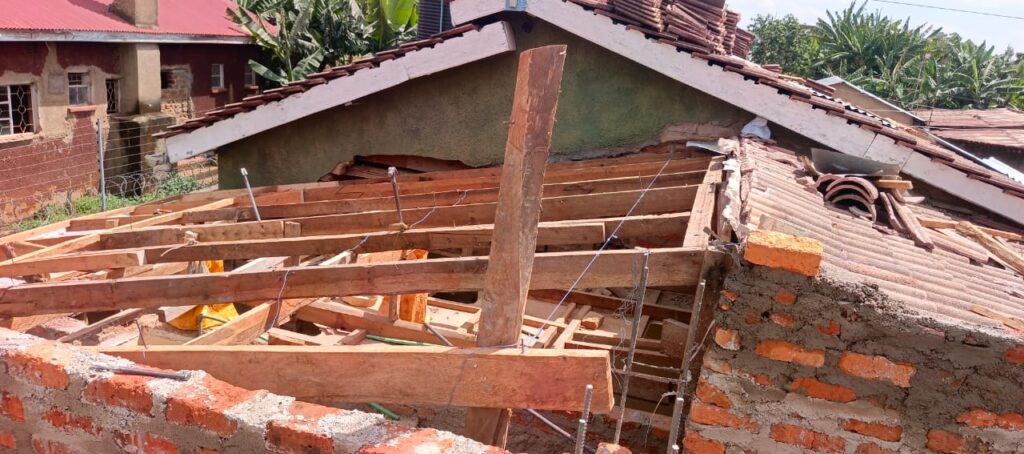
Poor workmanship is another major challenge on many construction sites. Unskilled or inexperienced fundis may produce uneven walls, weak concrete mixes, leaking plumbing systems, or poor electrical installations. In some cases, homeowners are forced to demolish and redo completed sections, leading to additional material and labor costs. Hiring cheap labor without verifying skills often becomes more expensive in the long run.
Material Theft and Wastage
Material misuse, theft, and wastage are common concerns during construction projects. Cement may be mixed improperly, timber may be wasted through inaccurate cutting, or steel reinforcement bars may disappear from site. Without proper supervision and stock control, project owners can lose significant amounts of money through avoidable wastage and theft.
Lack of Accountability
Many construction projects in Kenya operate without written agreements or clear responsibilities. When mistakes occur, fundis may deny responsibility or shift blame to others. This lack of accountability makes it difficult to maintain quality standards and enforce project timelines.
Communication Problems on Site
Poor communication between contractors, supervisors, suppliers, and workers often results in confusion and costly mistakes. Changes in building plans may not be communicated clearly, leading to incorrect installations or rework that delays progress.
Payment Disputes
Disagreements over wages are also common when managing labor costs in Kenya. Some workers demand payment before completing assigned tasks, while project owners may withhold payment due to unsatisfactory work. Without clear payment schedules and written agreements, such disputes can disrupt workflow and negatively affect worker morale and productivity.
How to Hire the Right Fundis for Your Project
Hiring the right fundis is one of the most important steps in ensuring a successful construction project in Kenya. Skilled and reliable workers help maintain quality standards, reduce delays, and minimize costly mistakes. On the other hand, hiring unqualified labor can lead to poor workmanship, project delays, material wastage, and constant supervision challenges.
Verify Experience and Previous Work
Before hiring any fundi, it is important to assess their level of experience and inspect previous projects they have completed. A skilled mason, carpenter, electrician, or plumber should be able to provide examples of past work or references from former clients. Visiting completed projects allows you to evaluate workmanship quality, finishing standards, and attention to detail. Experienced fundis are more likely to understand construction drawings, site coordination, and proper material usage.
Ask for Referrals and Recommendations
In Kenya, many reliable fundis are identified through referrals from friends, relatives, contractors, architects, or previous clients. Recommendations from trusted sources can help reduce the risk of hiring unreliable workers. Contractors who consistently deliver quality projects often maintain networks of dependable skilled laborers.
Conduct Practical Skill Assessments
Practical assessments are important, especially for technical work. Instead of relying only on verbal claims, assign small test tasks before committing to long-term engagement. For example, a tiler can demonstrate tile alignment skills, while a welder can showcase fabrication quality. This helps identify competence before major work begins.
Hire Based on Specialization
Different construction tasks require specialized skills. A plumber may not handle electrical work effectively, and a general laborer may lack the expertise required for structural masonry or roofing. Hiring specialized fundis improves efficiency and reduces costly errors. For technical installations such as electrical systems, structural works, and plumbing, using registered contractors or certified technicians provides additional quality assurance and accountability.
Why Cheap Labor Can Become Expensive
Many project owners make the mistake of choosing the cheapest labor available. While this may appear cost-effective initially, poor workmanship often results in repairs, rework, delays, and wasted materials. Inexperienced workers may also require constant supervision, increasing overall construction costs.
Setting Clear Expectations Before Work Begins
One of the most effective ways to improve construction efficiency in Kenya is by setting clear expectations before any work begins. Many disputes, delays, and misunderstandings on site arise because roles, responsibilities, and deliverables were never properly defined. Clear planning ensures that both the project owner and fundis understand what is expected, reducing confusion and improving productivity.
Agreeing on Scope of Work
The scope of work should clearly define what each fundi is responsible for. For example, a mason should know the exact wall measurements, materials to be used, and finishing standards expected. This prevents overlap of duties and ensures every worker focuses on their assigned tasks. A well-defined scope also reduces disagreements during and after project completion.
Defining Timelines
Timelines are essential for avoiding construction delays in Kenya. Each phase of the project should have a realistic deadline based on workload and workforce availability. When timelines are clearly communicated, fundis are more likely to stay focused and manage their time effectively, reducing idle time on site.
Setting Daily Targets
Breaking down work into daily targets helps track productivity and ensures steady progress. For example, a team may be assigned a specific number of blocks to lay or square meters of plastering to complete per day. This makes it easier to identify underperformance early and take corrective action.
Creating Written Agreements
Written agreements are highly important in construction labor management in Kenya. Unlike verbal agreements, written site contracts clearly document payment terms, work scope, deadlines, and expectations. This reduces misunderstandings and provides a reference point in case of disputes. Payment milestones should also be clearly outlined to ensure workers are compensated fairly after completing specific stages of work.
Additionally, maintaining daily attendance registers and task tracking sheets helps monitor labor performance and accountability. This ensures that all workers are present and actively contributing to project progress, improving overall site efficiency.
Effective Site Supervision Strategies
Effective site supervision is a critical component of successful construction projects in Kenya. Even when skilled fundis are hired, poor supervision can still lead to delays, material wastage, and substandard work. Strong supervision ensures that work is done according to plan, timelines are respected, and resources are used efficiently.
Importance of Daily Site Visits
Regular site visits are one of the simplest yet most powerful supervision strategies. Daily presence on site helps project owners or contractors identify problems early, monitor progress, and ensure that workers remain focused on their tasks. Without consistent monitoring, fundis may slow down work, skip important steps, or use materials inefficiently.
Assigning a Site Supervisor or Foreman
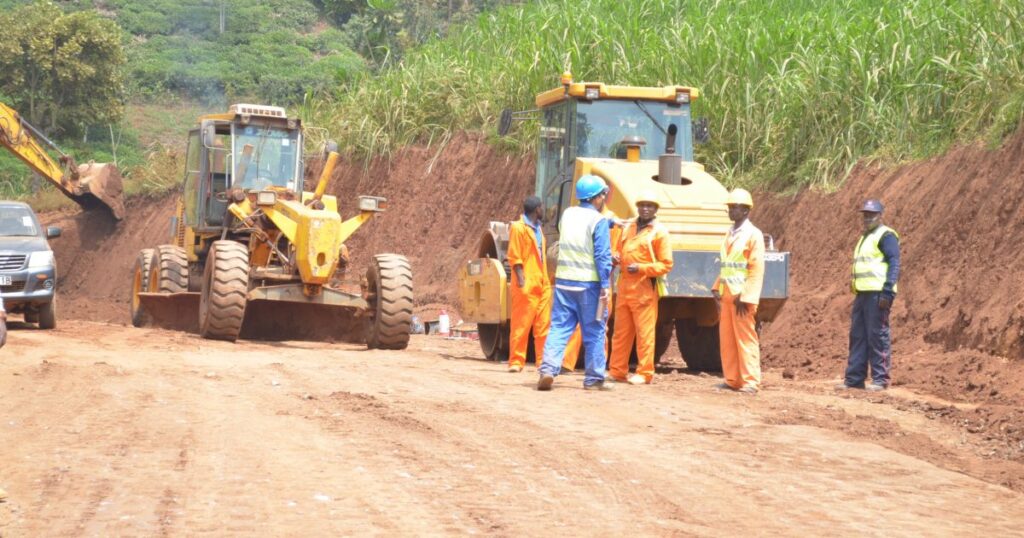
For larger projects, assigning a dedicated site supervisor or foreman is essential. This individual acts as the bridge between the project owner and the workers, ensuring instructions are followed correctly. A good supervisor coordinates daily activities, resolves minor disputes, and ensures that work progresses according to schedule. This is a key part of effective construction management in Kenya, especially for multi-unit or commercial projects.
Monitoring Material Usage
Proper control of construction materials helps reduce wastage and theft. Materials such as cement, steel, timber, and tiles should be recorded and monitored regularly. Comparing material usage against progress helps detect inefficiencies early and prevents unnecessary losses that can inflate project costs.
Tracking Daily Productivity
Tracking what each team accomplishes daily helps measure performance and maintain accountability. Simple tools like task sheets or progress logs can help determine whether workers are meeting expected output levels.
In addition, modern communication tools such as WhatsApp groups allow for real-time updates, including site photos and progress reports. This is especially useful for diaspora clients who cannot physically visit their sites regularly. Keeping a site diary also helps document daily activities, decisions, and challenges, creating a clear project history that supports better decision-making throughout the construction process.
How to Motivate Fundis for Better Productivity
Motivating fundis is a key part of effective construction labor management in Kenya. Even skilled workers can underperform if they are not properly motivated or treated fairly. When morale is high, productivity increases, workmanship improves, and projects are completed faster. On the other hand, frustrated or demotivated workers often slow down work, make mistakes, or abandon sites altogether, leading to delays and increased costs.
Paying Workers on Time
Timely payment is one of the strongest motivators for fundis. In Kenya’s daily wage culture, many workers depend on end-of-day or weekly payments to support their families. Delayed payments often lead to mistrust, absenteeism, or reduced effort on site. Ensuring that workers are paid promptly builds loyalty and encourages consistent performance.
Providing Meals or Transport Support
Basic support such as meals or transport allowances can significantly boost morale. When workers feel that their basic needs are considered, they are more likely to stay focused and productive. For example, providing lunch on site reduces time wasted searching for food and helps maintain steady workflow throughout the day.
Recognizing Good Performance
Acknowledging hardworking fundis improves motivation and encourages healthy competition among workers. Simple gestures such as verbal appreciation, small bonuses, or assigning better tasks to reliable workers can greatly improve output. Recognition makes workers feel valued and increases their commitment to the project.
Creating a Respectful Working Environment
Respect between project owners, supervisors, and workers is essential. A hostile or dismissive environment can lower morale and reduce productivity. Treating fundis professionally encourages cooperation and better communication on site.
In Kenya’s construction sector, there is a clear difference between motivated and frustrated workers. Motivated fundis tend to work faster, make fewer errors, and take pride in their work, while unmotivated workers often drag tasks, require constant supervision, and contribute to construction delays in Kenya. Balancing discipline with motivation is therefore essential for achieving efficient results and controlling overall project costs.
Managing Labor Costs Without Compromising Quality
Labor costs form a significant portion of any construction project in Kenya, often accounting for a large share of the total budget. If not well managed, these costs can quickly escalate due to delays, inefficiencies, and poor coordination of fundis on site. The key to successful construction labor management in Kenya is balancing cost control with maintaining high-quality workmanship.
Setting a Labor Budget
A clear labor budget should be established before construction begins. This helps project owners estimate how much will be spent on masons, carpenters, plumbers, electricians, and other fundis throughout the project. A well-planned budget ensures that funds are allocated appropriately and prevents overspending during different phases of construction.
Avoiding Idle Workers on Site
Idle workers significantly increase project costs without adding value. When fundis are left waiting for materials, instructions, or supervision, time and money are wasted. Proper coordination ensures that all workers are engaged in productive tasks throughout the day, improving efficiency and reducing unnecessary labor expenses.
Scheduling Tasks Properly
Proper task scheduling is essential for maintaining workflow continuity. Each phase of construction should follow a logical sequence to avoid downtime between activities. For example, masonry work should be completed before plastering begins, and electrical wiring should be planned alongside structural progress. Poor scheduling often leads to construction delays in Kenya and increases labor costs due to repeated mobilization of workers.
Reducing Rework Costs
Rework is one of the most expensive mistakes in construction. It occurs when work is done incorrectly and must be repeated, leading to wasted time, materials, and labor. Clear instructions, proper supervision, and skilled fundis help minimize rework and ensure work is done correctly the first time.
Practical Tip: Use Phased Construction Schedules
Breaking the project into phases—such as foundation, walling, roofing, and finishing—helps control both labor and material costs. Each phase should be completed and approved before moving to the next. This approach improves accountability, reduces confusion, and ensures better financial control throughout the construction process.

Workplace Safety and Labor Discipline on Site
Workplace safety is a crucial but often overlooked aspect of construction projects in Kenya. A safe and well-disciplined site not only protects workers but also ensures smooth progress, reduces interruptions, and prevents unnecessary financial losses. Poor safety practices can lead to accidents that delay projects, increase medical expenses, and damage materials or equipment.
Providing Basic Safety Gear
Every construction site should provide essential safety equipment to fundis. This includes safety helmets to protect against head injuries, gumboots to prevent injuries from sharp objects and wet surfaces, gloves for handling rough materials, and protective clothing where necessary. For elevated work, proper scaffolding safety measures must be in place to prevent falls, including secure platforms, guardrails, and stable supports.
Preventing Site Accidents
Accidents on site can significantly disrupt construction timelines in Kenya. Simple preventive measures such as keeping the site clean, organizing materials properly, and ensuring safe movement paths can reduce risks. Regular safety checks and clear instructions help minimize hazards and maintain a safe working environment.
Enforcing Site Rules
Clear site rules should be established and consistently enforced. These may include punctuality, proper use of tools, restricted access to dangerous areas, and adherence to safety procedures. Discipline ensures that all workers understand their responsibilities and maintain professional behavior throughout the project.
Handling Conflicts Professionally
Conflicts among fundis can slow down work and create tension on site. Disputes should be addressed quickly and professionally by supervisors or project managers to maintain harmony and productivity. Encouraging respectful communication helps prevent misunderstandings and promotes teamwork.
Ultimately, prioritizing safety and discipline in construction labor management in Kenya reduces the risk of accidents, protects investments, and ensures projects are completed efficiently and within budget.
Using Technology to Improve Fundi Management
Technology is increasingly transforming construction labor management in Kenya by making it easier to supervise, coordinate, and track fundis. Even in traditional construction sites, simple digital tools can significantly improve efficiency, reduce misunderstandings, and enhance accountability.
Mobile Communication Tools
Mobile phones are one of the most effective tools for managing fundis. WhatsApp coordination groups allow real-time communication between project owners, supervisors, and workers. Site updates, instructions, and progress photos can be shared instantly, reducing confusion and improving decision-making. This is especially useful for managing multiple teams or supervising remotely.
Digital Payments and Record Keeping
Digital payment systems such as M-Pesa have made it easier to track labor payments and reduce disputes. Every transaction can be recorded, creating transparency between workers and project owners. In addition, tools like Google Sheets can be used to maintain labor records, including attendance, wages, and daily tasks. This helps improve accountability and simplifies budgeting.
Construction Management Apps
Construction management apps are also becoming more common for tracking progress, scheduling tasks, and managing resources. These tools help project managers organize work phases, assign duties, and monitor productivity more effectively.
CCTV and Remote Monitoring
For larger projects, CCTV cameras provide an added layer of supervision by allowing real-time monitoring of site activities. This is particularly useful for diaspora clients or busy developers who cannot visit the site regularly.
Overall, technology reduces supervision challenges by improving communication, enhancing transparency, and providing accurate records of labor activity. This leads to better control of construction projects and more efficient use of fundis on site.
Legal and Contractual Considerations in Kenya
Understanding legal and contractual aspects is an important part of managing fundis efficiently in Kenya. Many construction disputes arise because agreements are informal, undocumented, or poorly understood by both parties. Having clear legal structures in place helps protect both the project owner and the workers while ensuring smooth project execution.
Importance of Written Contracts
Written contracts are essential in construction labor management in Kenya. They clearly define the scope of work, payment terms, timelines, and responsibilities of each party. Unlike verbal agreements, written contracts reduce misunderstandings and provide a reference point in case of disputes. They also help ensure that all parties remain accountable throughout the project.
Labor Laws and Worker Rights
Kenyan labor laws provide basic protections for workers, including fair pay, safe working conditions, and reasonable working hours. Project owners and contractors should ensure compliance with these regulations to avoid legal issues. Respecting worker rights also improves morale and reduces conflicts on site.
Contractor vs Casual Labor Arrangements
There is a clear difference between hiring registered contractors and engaging casual laborers. Contractors are often responsible for managing teams, ensuring quality standards, and handling technical work, while casual laborers perform basic tasks. For technical jobs such as electrical, plumbing, and structural works, using qualified or registered professionals reduces risk and improves quality assurance.
Resolving Site Disputes
Disputes may arise over payment, workmanship, or project delays. These should be addressed quickly through open communication, mediation, or involvement of a site supervisor. Maintaining proper payment records is essential, as it provides proof of transactions and helps resolve misunderstandings.
Avoiding illegal labor practices, such as underpayment or unsafe working conditions, is also important for ethical and legal compliance. Proper documentation, fair treatment, and structured agreements help ensure successful and legally compliant construction projects in Kenya.
Best Practices for Managing Large Construction Teams
Managing large construction teams requires strong coordination, clear communication, and effective leadership. This is especially important in multi-unit apartments, commercial construction projects, and large residential developments where many fundis work simultaneously on different tasks. Without proper organization, such projects can easily experience confusion, delays, and poor workmanship.
Organizing Workers into Teams
The first step in managing large groups is dividing workers into specialized teams. For example, one team can focus on masonry, another on carpentry, while others handle plumbing, electrical, and finishing works. This structure improves efficiency and ensures that each group concentrates on its area of expertise.
Delegating Responsibilities
Clear delegation of responsibilities helps avoid overlap and confusion on site. Each team should have a leader or foreman who reports progress and issues to the site supervisor. This chain of command improves accountability and ensures instructions are properly followed.
Communication Structure
Effective communication is essential in large construction projects in Kenya. Regular meetings, clear instructions, and coordination between teams help maintain workflow continuity. A structured communication system ensures that changes in design or scheduling are quickly shared and implemented without delays.
Productivity Reporting
Tracking productivity is key to maintaining control over large teams. Daily or weekly reports help monitor progress, identify underperforming teams, and adjust schedules when necessary. This is particularly important in managing labor costs in Kenya, as it ensures that all workers are contributing effectively to project goals.
Overall, structured team management improves efficiency, reduces confusion, and ensures that large-scale construction projects are completed on time and within budget.
Mistakes to Avoid When Managing Fundis in Kenya
Many construction problems in Kenya are not caused by lack of funds, but by avoidable mistakes in labor management. Avoiding these errors is essential for controlling costs, maintaining quality, and preventing unnecessary delays.
One major mistake is paying the full amount upfront. When workers are paid before completing tasks, some may lose motivation or abandon the site, leading to unfinished work and financial loss.
Another common issue is lack of supervision. Without proper monitoring, fundis may slow down work, make shortcuts, or misuse materials, resulting in poor workmanship and increased project costs.
Buying materials through workers without verification is also risky. Some fundis may overstate requirements or divert materials, leading to theft, wastage, or inflated expenses.
Hiring unqualified labor can severely affect project quality. Poor skills often result in structural defects, rework, and delays, which ultimately increase the total construction budget.
Frequent changes in project plans disrupt workflow and confuse workers. This leads to wasted materials, repeated work, and extended timelines, making construction more expensive.
Lastly, ignoring safety can lead to accidents on site. Injuries not only endanger workers but also halt construction, increase medical costs, and damage equipment.
Each of these mistakes contributes to construction delays in Kenya and raises overall labor costs. Proper planning, supervision, and discipline are essential to avoid them and ensure successful project completion.

Future Trends in Construction Labor Management in Kenya
Construction labor management in Kenya is rapidly evolving as the industry shifts toward more structured, efficient, and technology-driven practices. One major trend is the increased use of digital platforms for hiring, tracking, and managing fundis. Apps and online systems are making it easier for contractors and project owners to find skilled workers, monitor progress, and maintain transparent records.
There is also a growing demand for skilled labor as construction projects become more complex, especially in urban areas and large-scale developments. This has led to greater emphasis on training, certification, and specialization among Kenyan construction workers.
Another key trend is the gradual professionalization of informal workers. Many fundis are now seeking formal recognition, better training, and structured work opportunities, moving away from purely informal arrangements. This shift is improving overall workmanship standards across the industry.
Technology-driven site management is also becoming more common. Tools such as mobile reporting, digital payments, CCTV monitoring, and project management software are enhancing supervision and reducing inefficiencies.
At the same time, there is a rising focus on productivity and accountability, where workers are expected to meet clear performance targets and maintain proper documentation of work done.
Platforms supporting upskilling and digital labor matching, such as initiatives like Caribou, are also helping connect skilled workers to better opportunities while improving overall industry standards. These trends are shaping a more efficient and professional construction sector in Kenya.
Conclusion: Why Efficient Fundi Management Determines Construction Success
Efficient management of fundis is one of the most critical factors that determines whether a construction project in Kenya succeeds or fails. From small residential homes to large commercial developments, the way labor is organized, supervised, and motivated directly affects cost, quality, and timelines.
Proper hiring is the foundation of good construction management. Selecting skilled, reliable, and specialized fundis ensures that work is done correctly from the start, reducing the need for costly rework. Once the right team is in place, strong supervision and careful planning become essential to guide daily activities and keep the project on track.
Labor productivity and cost control are also closely linked. When workers are well-coordinated, given clear targets, and provided with the right materials on time, overall efficiency improves and unnecessary expenses are minimized. Poor planning, on the other hand, leads to idle workers, wasted resources, and construction delays in Kenya.
Communication and motivation play a major role in maintaining high performance. Regular updates, fair treatment, timely payments, and recognition of good work help keep fundis engaged and productive throughout the project.
Finally, safety and accountability ensure that both workers and resources are protected. Enforcing safety standards reduces accidents, while proper documentation and responsibility systems help maintain discipline on site.
In summary, efficient labor management is one of the most important factors in successful construction projects in Kenya. Whether building a small home, rental apartments, or commercial developments, properly managing fundis helps reduce delays, control costs, improve workmanship, and ensure projects are completed successfully.