
Discover the complete construction timeline for a typical house in Kenya, including planning, approvals, foundation, walling, roofing, finishing, and handover. Learn realistic timeframes, key delays, and expert tips to help you build efficiently and avoid costly mistakes.
Introduction: How Long Does It Take to Build a House in Kenya?
One of the most common questions in construction is simple but critical: how long does it actually take to build a house in Kenya? Whether you’re planning a family home, a rental unit, or a full apartment project, understanding the timeline helps you budget properly, plan your finances, and avoid costly delays.
The quick answer is that construction timelines vary depending on several factors. A fast-track build—where funding, materials, and labor are all readily available—can take as little as 3 to 4 months. A more typical project, however, runs between 6 to 12 months from start to completion. When you include the full process—especially design, approvals, and compliance requirements—the timeline can stretch to 9 to 24 months, as highlighted by Aalis Studios.
So why do these timelines differ so much? The biggest factors include budget flow, since delays in funding often pause construction; approval processes, which can take weeks or months depending on the county; weather conditions, especially during rainy seasons; and contractor efficiency, which determines how well the project is managed on-site.
In this guide, we break down the complete construction timeline step by step, giving you a clear, realistic picture based on the Kenyan building environment. By the end, you’ll understand not just how long it takes—but how to plan your project to stay on schedule.
Overview: Typical Construction Timeline in Kenya
To understand how long it takes to build a house in Kenya, it helps to break the process into three main phases. Each stage has its own timeline, and delays in one phase often affect the entire project.
Typical Construction Timeline in Kenya:
| Phase | Estimated Duration |
| Planning & Approvals | 2–6 months |
| Construction (Structure) | 3–6 months |
| Finishing Works | 1–3 months |
In total, a standard residential project typically takes 6 to 12 months, depending on efficiency and funding. However, under ideal conditions—where approvals are fast, materials are readily available, and funding is consistent—some projects can be completed in as little as 12 to 15 weeks, as noted by Thoonjo.
It’s important to note that these timelines are not fixed. Factors such as project size, design complexity, and external conditions can either shorten or extend the duration significantly. For example, a simple bungalow may move faster than a multi-storey maisonette or apartment.
In the next sections, we’ll break down each phase in detail, giving you a realistic, step-by-step construction timeline based on actual building practices in Kenya.
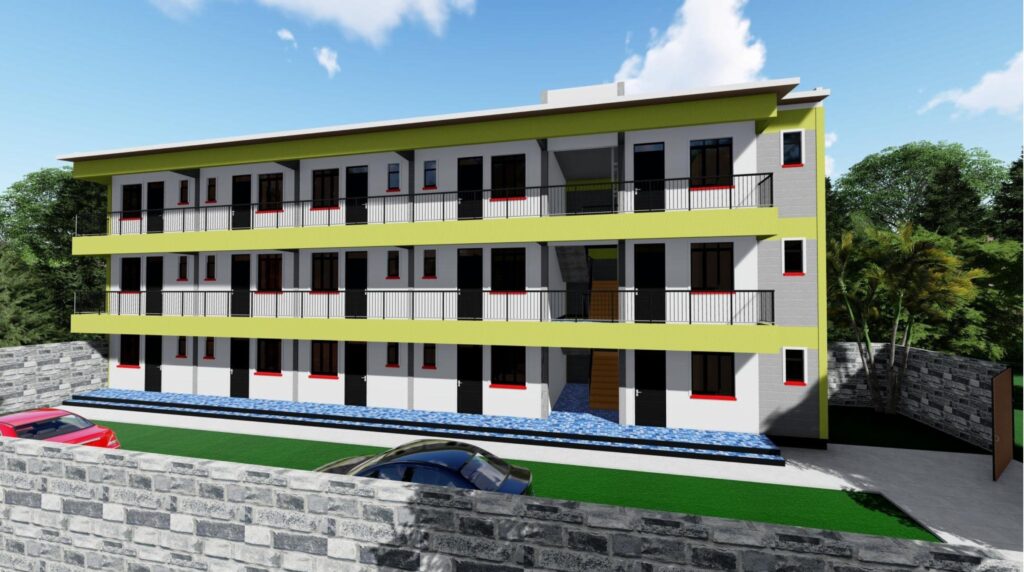
Phase 1: Planning, Design & Approvals
The pre-construction stage—often referred to as the planning, design, and approvals phase—is where every successful project begins. In Kenya, this stage typically takes 1 to 3 months, but in many cases, it can extend up to 6 months, especially when approvals are delayed or documentation is incomplete. If you’re looking at the full pre-construction timeline in Kenya, this is the phase that demands the most patience and attention to detail.
This stage involves several critical activities. First, you’ll work with an architect to develop architectural drawings that define the layout, size, and appearance of your house. These are then supported by structural designs prepared by an engineer to ensure the building is safe and stable. At the same time, a quantity surveyor prepares a Bill of Quantities (BOQ), which outlines the estimated construction costs and materials required.
Once the designs are ready, they must be submitted for county approvals, which vary depending on location but are mandatory before construction begins. You’ll also need to register your project with the National Construction Authority (NCA) to comply with national regulations. For certain projects—especially larger developments or those in sensitive areas—approval from National Environment Management Authority (NEMA) may also be required.
A key insight many first-time builders overlook is that the biggest delays in construction often happen at this stage, not during the actual building process. Missing documents, unqualified professionals, or back-and-forth revisions can significantly slow things down.
Pro tip: Engage qualified professionals—architects, engineers, and project managers—early in the process. A well-prepared design and approval strategy not only saves time but also prevents costly mistakes later on. This phase sets the foundation for the entire project, so getting it right is essential.
Phase 2: Site Preparation & Groundworks
Once approvals are secured, the project moves to site preparation and groundworks—a short but critical phase that typically takes 1 to 2 weeks. This stage sets the physical starting point of your construction and directly influences the strength and durability of the entire structure.
The process begins with site clearing, where vegetation, debris, and any existing structures are removed to create a clean working area. Next is setting out, where surveyors or engineers mark the exact position of the building on the ground according to the approved drawings. This step ensures that the structure is correctly aligned and positioned within the plot boundaries. Finally, excavation is carried out to dig trenches for the foundation based on the structural design.
The importance of this phase cannot be overstated. Any errors in setting out or excavation can lead to structural issues, increased costs, or even legal disputes over boundaries. Additionally, soil conditions play a major role in how this phase is executed. For example, black cotton soil requires deeper excavation and special foundation treatment due to its expansion properties, while rocky ground may slow down excavation but provide a more stable base.
Getting this stage right ensures a strong, stable foundation—and ultimately, a successful construction project.
Phase 3: Foundation & Substructure
The foundation and substructure phase is one of the most critical stages in the construction timeline, typically taking 2 to 4 weeks under normal conditions, as noted by Steel Sathi. This is the stage where the building begins to take shape from the ground up, and any mistakes here can compromise the entire structure.
The process starts with constructing footings, which are reinforced concrete bases that distribute the building’s load to the soil. Once the footings are complete, foundation walls are built, followed by hardcore filling—a layer of compacted stones that stabilizes the base. A damp-proof course (DPC) is then installed to prevent moisture from rising into the walls, which is essential for long-term durability. Finally, the phase concludes with slab casting, where a concrete floor slab is poured to form the base of the house.
Structurally, this is the most important stage of the entire project. A poorly executed foundation can lead to cracks, settlement, or even structural failure later on. That’s why strict supervision and adherence to engineering specifications are crucial.
One key factor that heavily influences both the duration and cost of this phase is soil type, as highlighted by Thoonjo. For instance, weak soils like black cotton may require deeper foundations or special treatment, increasing both time and expenses, while stable soils allow for faster and more straightforward construction.
In short, investing time and precision in the foundation ensures the entire building stands strong for years to come.
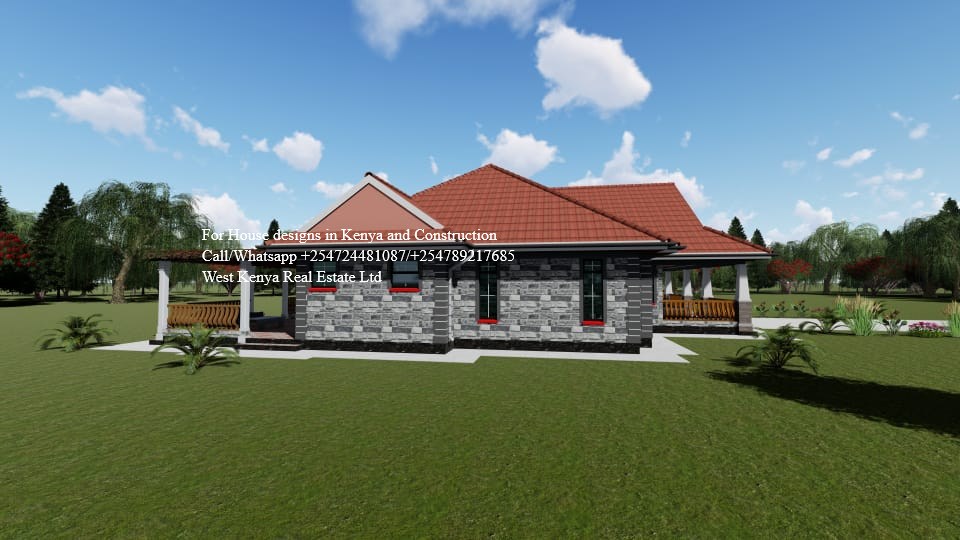
Phase 4: Walling & Structural Frame
The walling and structural frame phase is where your house begins to visibly take shape above ground. This stage typically takes 4 to 8 weeks, depending on the size of the house, availability of labor, and construction efficiency, as noted by Steel Sathi.
This phase involves several key activities. First, contractors construct columns and beams, which form the structural skeleton of the building and provide strength and load distribution. Once the frame is in place, walling begins using materials such as machine-cut stones, concrete blocks, or bricks, depending on the design and budget. After reaching window and door levels, lintel installation is carried out to support the weight of the structure above openings.
This is a highly labour-intensive stage, requiring skilled masons, fundis, and close supervision to maintain quality and alignment. Progress during this phase can vary significantly depending on workforce efficiency and site coordination.
A critical factor to understand here is curing time. Concrete elements like columns, beams, and lintels require proper curing—usually at least 7 days—to gain sufficient strength. This process cannot be rushed without risking structural weakness. Attempting to speed up curing often leads to cracks or long-term durability issues.
Because of its complexity and reliance on both materials and manpower, this phase often determines the overall pace of the project. When executed correctly, it provides a solid and stable framework for the roofing and finishing stages that follow.
Phase 5: Roofing Stage
The roofing stage is one of the fastest yet most impactful phases in house construction, typically taking 1 to 2 weeks under normal conditions, according to Thoonjo. Despite its short duration, this stage plays a crucial role in protecting the entire structure and allowing interior works to begin.
This phase starts with the installation of roof trusses, which form the structural framework that supports the roof. These can be made from timber or steel, depending on the design and budget. Once the trusses are securely fixed, the contractor proceeds with installing roofing materials, such as iron sheets, tiles, or shingles.
The importance of this stage lies in one key function: weather protection. Once roofing is complete, the building is shielded from rain, sun, and wind, making it possible to proceed with internal works like plastering, electrical, and plumbing installations without interruptions.
However, poor execution at this stage can cause serious delays. Misaligned trusses, low-quality materials, or improper installation can lead to leaks, structural issues, and costly rework.
Always ensure roofing is done by skilled professionals using quality materials. A well-installed roof not only protects your house but also keeps your entire project on schedule.
Phase 6: Plumbing, Electrical & Installations
The plumbing, electrical, and installation phase is a critical step that prepares the house for functionality before finishes are applied. This stage typically takes 2 to 3 weeks, depending on the size of the house and coordination between different trades, as noted by Steel Sathi.
During this phase, technicians install electrical conduits within walls and floors, creating pathways for wiring that will be completed later. At the same time, plumbers lay down water supply and drainage pipes, ensuring proper connections to kitchens, bathrooms, and external systems. Additionally, window and door frames are fixed in place, ready for final installation after plastering and finishing.
A key insight here is that all these installations are done before plastering. Once walls are plastered, accessing internal pipes or conduits becomes difficult and expensive. That’s why this stage requires careful planning, precise execution, and close supervision.
The biggest risk at this stage is costly rework. Mistakes such as poorly positioned sockets, leaking pipes, or incorrect pipe gradients can force you to break finished walls later—leading to delays, extra costs, and frustration. Even small errors can have long-term consequences for comfort and maintenance.
To avoid these issues, ensure all installations follow approved drawings and are tested before moving to the next phase. Getting this stage right guarantees a smooth transition into finishing works and ensures your home functions efficiently from day one.
Phase 7: Plastering, Flooring & Interior Works
The plastering, flooring, and interior works phase is where your house begins to transform from a rough structure into a livable space. This stage typically takes 1 to 2 months, depending on the size of the house, level of detail, and finishing standards, as noted by Steel Sathi.
The process starts with internal and external plastering, where walls are smoothed and prepared for painting or other finishes. This step requires precision to ensure straight walls and clean surfaces. Next comes screeding, which involves leveling the floor surfaces to create a smooth base for tiles or other floor finishes. Once the screed has properly cured, tiling is carried out in areas such as living rooms, kitchens, and bathrooms, depending on the design specifications.
At the same time or shortly after, ceiling installation is completed. Common options in Kenya include gypsum ceilings, PVC panels, or simple board finishes. Ceilings not only improve aesthetics but also help conceal electrical wiring and enhance insulation.
One key insight about this phase is that it often takes longer than expected. Unlike earlier structural stages, finishing works require attention to detail, multiple layers of work, and adequate drying or curing time between tasks. Rushing this phase can lead to poor workmanship, uneven surfaces, or cracks that become visible later.
Another important factor is that finishing quality directly affects the timeline. High-end finishes, custom designs, or detailed interiors will naturally take more time compared to standard finishes.
Overall, this phase demands patience and quality control. When done correctly, it significantly enhances both the appearance and value of your home.
Phase 8: Painting, Fixtures & Final Finishes
The painting, fixtures, and final finishes phase is the last stage before handover, where the house is transformed into a fully functional and visually complete home. This stage typically takes 2 to 4 weeks, depending on the complexity of finishes and the quality of materials used.
The process begins with painting, which involves applying primer and final coats to both interior and exterior surfaces. Proper surface preparation is essential to ensure a smooth, long-lasting finish. Once painting is complete, attention shifts to installing fixtures and fittings, including electrical fittings such as sockets, switches, lighting fixtures, and distribution boards.
At the same time, carpentry works such as kitchen cabinets and wardrobes are installed. These elements are often customized to fit the homeowner’s design preferences and available space. Final touches like door handles, bathroom accessories, and decorative elements are also completed during this phase.
A key insight is that while this stage seems minor compared to structural works, it is often where projects slow down unexpectedly. The “last 10%” of construction can take up to 20–30% of the total finishing time, especially when dealing with custom fittings, rework, or material delays.
This phase requires patience and attention to detail because it directly impacts the comfort, functionality, and aesthetic appeal of the home. A well-executed finishing stage significantly enhances the overall value of the property and marks the successful completion of the construction journey.
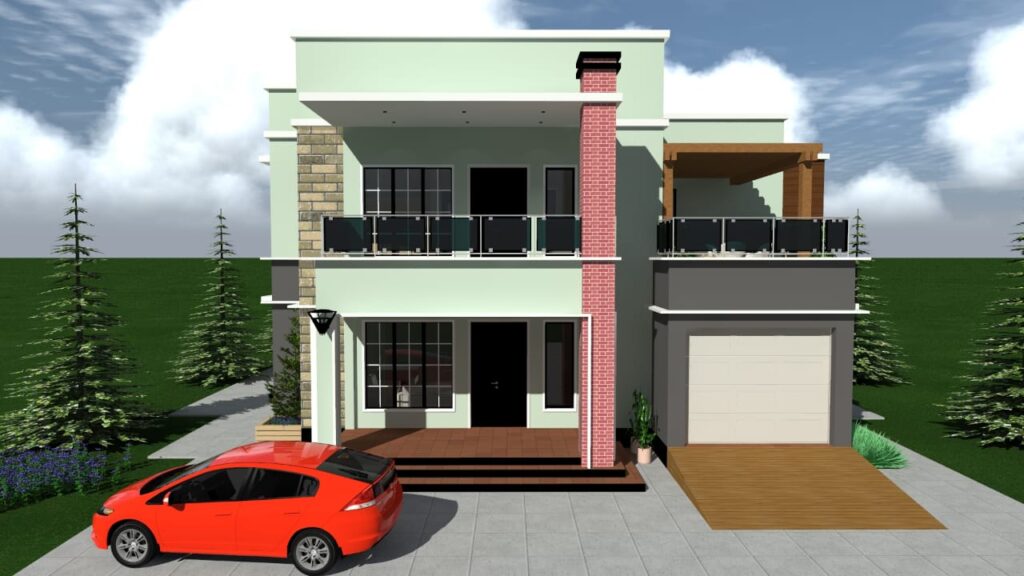
Phase 9: Final Inspection & Handover
The final inspection and handover phase marks the official completion of the construction project. This stage typically takes 2 to 6 weeks, depending on how quickly inspections and final corrections are completed, as noted by Aalis Studios.
During this phase, several important activities take place. First is snagging, where the contractor and client walk through the building to identify and correct any defects such as cracks, uneven finishes, faulty fittings, or incomplete works. Once snagging is complete, the project undergoes a county inspection to ensure it complies with all approved building plans and regulations. If everything meets the required standards, the final step is issuance of the occupation certificate, which legally allows the building to be occupied.
One key insight is that this stage is often underestimated by many homeowners. While the main construction work may be complete, delays frequently occur due to pending corrections, inspection scheduling, or missing documentation. These small issues can extend the timeline if not properly managed.
A smooth handover requires proper coordination between the contractor, consultants, and local authorities. When done correctly, it ensures that the house is safe, compliant, and ready for occupancy without future legal or structural issues.
Total Timeline Summary
A complete construction timeline for a typical house in Kenya varies depending on planning efficiency, funding, and project complexity. However, a realistic breakdown helps homeowners set proper expectations and avoid unnecessary delays.
In summary, the overall timelines can be grouped as follows:
- Fast-track construction: 3–4 months (requires ready funding, fast approvals, and efficient execution)
- Average construction timeline: 6–12 months (most common for standard residential projects)
- Full process including approvals: 9–24 months, as highlighted by Aalis Studios
These differences are mainly influenced by factors such as approval delays, material availability, contractor efficiency, weather conditions, and design complexity. While the physical construction may appear fast, the pre-construction and finishing stages often extend the overall timeline significantly.
For better visualization, it is highly recommended to include a timeline chart in your article showing each phase from planning to handover. This improves SEO performance by increasing user engagement and helping readers quickly understand the full process at a glance.
Ultimately, a successful project is not just about speed—it is about proper planning, coordination, and execution at every stage.
Factors That Affect Construction Timeline in Kenya
The construction timeline for a typical house in Kenya is influenced by several practical and environmental factors. While a project may be planned for a specific duration, real-world conditions often extend or shorten the schedule depending on how well these factors are managed.
The biggest factor is budget availability. Construction in Kenya is highly cash-flow dependent, and delays in funding often lead to stalled work, idle labor, and extended timelines. A consistent financial flow ensures continuous progress from foundation to finishing.
Weather conditions also play a major role. Heavy rains can slow down excavation, foundation works, and even roofing due to unsafe site conditions and material damage risks. Dry seasons generally allow faster progress.
Labour availability and efficiency is another key factor. Skilled workers such as masons, carpenters, and electricians may not always be readily available, and poor coordination on-site can lead to inefficiencies and delays.
Material supply delays are common, especially when sourcing specialized items like tiles, steel, or imported fittings. Any disruption in the supply chain can bring work to a halt.
Design complexity also affects timelines. Simple bungalow designs progress faster compared to maisonettes or architectural designs with custom finishes, multiple levels, or unique structural elements.
Approval delays during the pre-construction phase can significantly push timelines forward, especially when documents require revisions or additional regulatory checks.
Finally, changes during construction—often called variations—can slow down progress. Adjusting layouts, materials, or designs mid-project usually requires rework and additional time.
The key insight is that delays are completely normal in construction projects in Kenya. Successful projects are not those without delays, but those that are well-managed, properly planned, and efficiently controlled from start to finish.
Fast-Track vs Phased Construction in Kenya
In Kenya, homeowners and developers typically choose between fast-track construction and phased construction, depending on budget, urgency, and long-term planning goals. Each approach has clear advantages and challenges that directly affect the overall construction timeline.
Fast-track construction is the quickest method of building a house. It requires full funding available from the start, allowing all materials, labour, and professional services to be coordinated without interruption. Because there are no financial breaks in the process, work progresses continuously, resulting in the shortest possible timeline. This approach is ideal for investors or homeowners who want to complete and occupy or rent out their property quickly.
On the other hand, phased construction is the most common approach in Kenya. In this method, construction is done gradually over time based on available resources. For example, a homeowner may complete the foundation and pause, then continue with walling months later, and finishing at a later stage. While this method is flexible and more financially manageable, it significantly extends the overall timeline—sometimes taking several years to complete a single house.
The key insight is that most Kenyans build in phases due to budget constraints and income-based construction planning. While this approach slows down completion, it allows more people to own property without needing large upfront capital.
Ultimately, the choice between fast-track and phased construction depends on financial readiness, urgency, and long-term investment goals.
Real Example: Timeline of a 3-Bedroom House in Kenya
To better understand how a typical construction timeline in Kenya works in practice, here is a simplified real-world example of building a standard 3-bedroom house under normal conditions. This breakdown is based on common site progress patterns and reflects realistic expectations rather than ideal assumptions.
Example Construction Timeline:
- Weeks 1–3: Foundation works
This includes excavation, footings, hardcore filling, DPC installation, and slab casting. It is the most critical structural stage. - Weeks 4–7: Walling and structural frame
Columns, beams, and walling are constructed up to lintel level, followed by curing periods to ensure strength and stability. - Weeks 8–9: Roofing stage
Trusses are installed and roofing sheets or tiles are fixed, allowing the structure to be protected from weather conditions. - Weeks 9–11: Plumbing, electrical, and installations
Internal piping, electrical conduits, and door/window frames are fitted before plastering begins.
This timeline is based on practical construction scenarios such as those commonly referenced in Kenyan residential projects and industry guides like Thoonjo.
In reality, timelines may shift slightly depending on funding flow, labour efficiency, and material availability. However, this example shows that with good planning and consistent execution, a simple bungalow or 3-bedroom house can reach near-completion in just a few months under controlled conditions.
How to Reduce Construction Time
Reducing the construction timeline for a house in Kenya is not about rushing work—it is about improving planning, coordination, and execution efficiency. With the right strategies, homeowners and developers can significantly shorten delays and ensure smooth project delivery.
One of the most important steps is to hire an experienced contractor. Skilled contractors understand sequencing, resource planning, and site management, which helps avoid unnecessary downtime between construction phases. Poor workmanship or inexperience often leads to rework and extended timelines.
Another key factor is ensuring steady funding throughout the project. Construction in Kenya is highly cash-flow dependent, and interruptions in payments can stall work for weeks or even months. A well-planned financial schedule keeps labor and materials moving consistently.
Using readily available materials also helps reduce delays. Locally sourced materials such as machine-cut stones, standard fittings, and pre-ordered finishes are easier to access compared to imported or custom-made items.
It is equally important to avoid frequent design changes during construction. Mid-project modifications often require demolition or rework, which adds both time and cost.
Proper procurement planning should be done early, ensuring that materials like roofing sheets, tiles, and fixtures are ordered in advance to prevent shortages.
Additionally, adopting project management tools or working with a site supervisor helps track progress, manage timelines, and coordinate different trades effectively.
The key insight is simple: speed in construction comes from planning, not rushing. A well-organized project will always outperform a rushed one, both in quality and completion time.
Common Mistakes That Delay Construction
Many construction delays in Kenya are not caused by technical challenges, but by avoidable mistakes made at the planning and execution stages. Understanding these common errors can help homeowners and developers keep their projects on schedule and within budget.
One of the biggest mistakes is starting construction without full approvals. Working without county permits, NCA registration, or required documentation often leads to stop orders, fines, or forced redesigns, which significantly delay progress.
Another major issue is poor budgeting. When funds are not properly planned, work often stops midway, especially during critical phases like roofing or finishing. Construction is a continuous process, and interruptions can be very costly.
Hiring unqualified or inexperienced fundis is also a common problem. Poor workmanship leads to rework, structural errors, and material wastage, all of which extend the timeline.
Delayed payments to contractors and workers can slow down or completely halt site activity. Labour teams tend to move to other projects when payments are inconsistent.
Frequent design changes during construction are another major cause of delays. Any modification often requires rework of completed sections, wasting both time and resources.
Lastly, poor site supervision results in miscommunication, low-quality work, and inefficient coordination between different teams.
The key takeaway is that most delays are preventable. With proper planning, qualified professionals, and consistent management, construction timelines in Kenya can be significantly improved.
Conclusion: Understanding Your Construction Timeline
Understanding the construction timeline for a typical house in Kenya is essential for anyone planning to build, whether it is a simple bungalow or a larger residential project. As seen throughout the different phases, construction is a step-by-step process that includes planning and approvals, site preparation, foundation work, walling, roofing, installations, finishing, and final handover.
Each stage has its own time range, from a few weeks to several months, and the total project duration can vary widely—from as little as 3–4 months in fast-track projects to 9–24 months when approvals and phased construction are involved. These variations are influenced by key factors such as funding availability, contractor efficiency, material supply, weather conditions, and design complexity.
The most important lesson in any construction project is that planning determines success. When designs are well-prepared, approvals are handled early, and funding is consistent, the entire process becomes smoother and faster. Poor planning, on the other hand, leads to delays, cost overruns, and frustration.
It is also important to understand that every construction project is unique. Even houses with similar designs can have different timelines depending on location, soil conditions, and management efficiency. There is no one-size-fits-all timeline in construction.
Ultimately, a successful build is not just about speed—it is about proper coordination, informed decision-making, and consistent execution from start to finish.