
Learn how to budget for a construction project in Kenya with expert tips on BOQ, cost control, and planning to avoid costly building mistakes.
Introduction: Why Construction Budgeting in Kenya Fails
How to Budget for a Construction Project in Kenya
“Most construction projects in Kenya don’t fail due to lack of money—they fail due to poor budgeting.” This statement reflects the reality of many homeowners and investors who begin building with excitement but later struggle with unexpected costs, stalled projects, or incomplete structures.
In recent years, construction costs in Kenya have been steadily rising due to increased prices of materials such as cement, steel, and fuel, as well as fluctuating labour rates. Urban areas like Nairobi, Kisumu, and Mombasa have seen even sharper increases, making it more important than ever to plan carefully before breaking ground.
Proper budgeting is the foundation of any successful construction project. It determines whether a project will be completed on time, within financial limits, and to the expected quality standards. Without a clear budget, even well-funded projects can run into financial strain halfway through construction.
To effectively understand how to budget for a construction project in Kenya, there are a few key concepts every developer must know. These include cost per square metre, which helps estimate the overall project size; the Bill of Quantities (BOQ), which provides a detailed breakdown of materials and labour costs; and contingency planning, which ensures you are prepared for unexpected expenses that may arise during construction.
Mastering these basics is the first step toward building smart, avoiding costly mistakes, and ensuring your project is financially sustainable from start to finish.
Understanding Construction Costs in Kenya
Understanding construction costs is the foundation of effective budgeting in any building project. In Kenya, the average construction cost typically ranges between KES 35,000 and KES 80,000 per square metre, depending on the type of structure, finishes, and location. A simple low-cost bungalow may fall on the lower end of this range, while high-end apartments or maisonettes with premium finishes can easily exceed the upper limit.
Several key factors influence these costs. The first is location—construction in urban areas such as Nairobi or Mombasa is generally more expensive due to higher labour charges, transport costs, and stricter compliance requirements, compared to rural or peri-urban areas.The second factor is design complexity. Simple rectangular designs are more cost-effective, while multi-storey buildings, complex roof structures, and custom architectural features significantly increase both material and labour costs.
Material quality also plays a major role. Imported finishes, high-grade tiles, and premium fittings can quickly raise the total budget, while locally sourced materials help reduce costs. Additionally, labour costs vary depending on skill level, project size, and region, with experienced specialists charging more for quality workmanship.
Construction prices in Kenya are also influenced by real-world market fluctuations. For example, cement, steel, and fuel prices often change due to supply chain shifts and economic conditions, which directly impact project budgets.
One of the biggest mistakes developers make is relying on rough estimates without a proper Bill of Quantities (BOQ). Without a BOQ, cost projections are often inaccurate because they fail to account for detailed material quantities, labour requirements, and hidden expenses. This leads to budget overruns and stalled projects, highlighting the importance of professional cost planning from the very beginning.
Key Components of a Construction Budget
A well-structured construction budget is essential for ensuring every stage of the project is financially covered and properly planned. In Kenya, most construction projects fail to track costs correctly because budgets are not broken down into clear components. Understanding each section helps you control spending and avoid unexpected financial pressure during construction.
The first component is land acquisition, which applies if you have not yet purchased land. This can take a significant portion of your total investment depending on the location.
Next are design and consultancy fees, which include payments to the architect, quantity surveyor (QS), and structural engineer. These professionals ensure your design is functional, compliant, and cost-efficient.
Approvals and permits follow, covering county government approvals, NCA registration, and environmental clearances where necessary. These are legal requirements that must not be overlooked.
Site preparation includes clearing, excavation, and leveling the land to make it ready for construction.
The foundation stage typically consumes about 15–20% of the total budget. This stage is critical because it determines the strength and stability of the entire structure.
The structural works phase, which includes walling, beams, columns, and slabs, is the most expensive stage, taking approximately 35–45% of the budget.
After structure comes roofing, which protects the building and accounts for a moderate portion of costs depending on design and materials used.
Finishing works such as plastering, flooring, painting, doors, windows, and fittings can take up 30–40% of the budget, especially if high-quality finishes are selected.
External works include drainage, compound paving, water systems, and landscaping, which are often underestimated but essential.
Finally, a contingency fund of 10–15% should always be included to cover unexpected price changes or unforeseen site issues.
Visual Budget Breakdown (Typical Percentage Allocation)
- Land (if applicable): Variable
- Design & Consultancy: 3–5%
- Approvals & Permits: 1–3%
- Site Preparation: 2–5%
- Foundation: 15–20%
- Structural Works: 35–45%
- Roofing: 10–15%
- Finishing Works: 30–40%
- External Works: 5–10%
- Contingency: 10–15%
This breakdown provides a realistic financial roadmap that helps ensure every phase of your construction project in Kenya is properly funded and controlled.
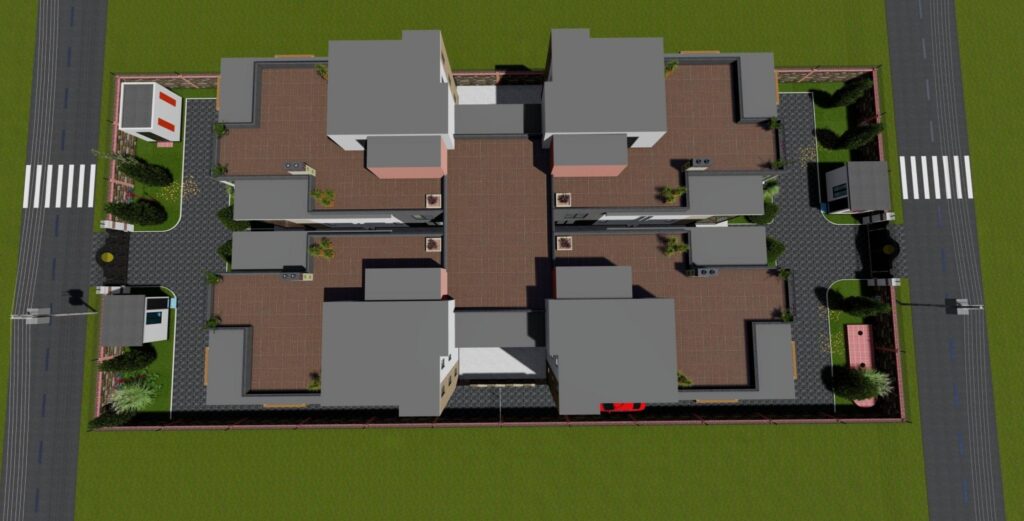
Step-by-Step Guide to Creating a Construction Budget
Creating an accurate construction budget in Kenya requires a structured process rather than rough estimates. Many projects exceed costs simply because the budgeting stage was rushed or ignored. The following step-by-step approach will help you build a realistic and controlled financial plan from the beginning.
Step 1: Define Project Scope
The first step is to clearly define what you want to build. This includes the number of rooms, number of floors, house type (bungalow, maisonette, apartments), and finishing level. A clear scope helps prevent mid-project changes, which are one of the biggest causes of budget overruns. The more detailed your vision is at this stage, the more accurate your budget will be.
Step 2: Engage Professionals Early
Before estimating costs, involve key professionals:
- Architect to design the structure and optimize space usage
- Quantity Surveyor (QS) to prepare cost estimates and manage budgeting
- Structural Engineer to ensure safety and compliance
Early involvement ensures your design is not only beautiful but also financially realistic and structurally sound.
Step 3: Develop a BOQ (Bill of Quantities)
The BOQ is one of the most important documents in construction budgeting. It provides a detailed breakdown of materials, labour, and quantities required for every stage of the project. Without a BOQ, budgeting becomes guesswork. With it, you get a precise cost structure that allows you to plan effectively, compare contractors, and avoid hidden expenses.
Step 4: Get Contractor Quotations
Once the BOQ is ready, request quotations from multiple contractors. Ensure you compare like-for-like pricing, meaning each contractor should be pricing the same scope of work. Avoid choosing based on the lowest price alone, as extremely cheap quotes often lead to compromised quality or hidden charges later.
Step 5: Add a Contingency Allowance
No construction project runs exactly as planned. Unexpected costs such as price fluctuations, design adjustments, or site challenges are common. That is why a 10–15% contingency fund is essential. This buffer ensures your project continues smoothly even when unforeseen expenses arise.
Step 6: Set a Cash Flow Plan
Finally, break your budget into a cash flow schedule aligned with construction phases. Payments should follow progress—foundation, structure, roofing, and finishing. This helps you maintain financial control and ensures funds are available at each stage without interruptions.
By following these steps, you create a structured and realistic construction budget that minimizes risks, improves cost control, and increases the chances of successfully completing your project within budget in Kenya.
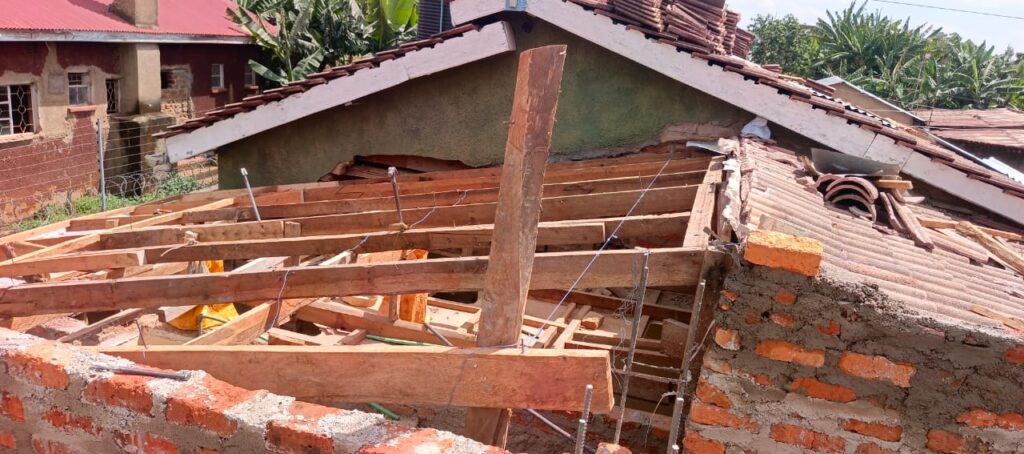
Common Budgeting Mistakes in Kenya
Even with good intentions, many construction projects in Kenya exceed their budgets due to avoidable mistakes made during planning and execution. Understanding these common pitfalls can help you save money, reduce stress, and complete your project successfully.
One of the biggest mistakes is relying on rough estimates instead of a Bill of Quantities (BOQ). Without a BOQ, most homeowners underestimate material quantities and labour costs, leading to major budget shortfalls halfway through construction.
Another common issue is ignoring price inflation of construction materials. In Kenya, prices of cement, steel, sand, and fuel can change unexpectedly due to market demand and economic conditions. For example, a project initially budgeted when cement was KES 750 per bag may experience overruns when the price rises to KES 900 or more per bag.
Many projects also suffer from changing design mid-construction. A homeowner may decide to add extra rooms, upgrade finishes, or alter layouts after work has started. These changes disrupt planning, require redesigns, and increase both material and labour costs significantly.
Hiring unqualified or inexperienced contractors is another costly mistake. While cheap labour may seem attractive initially, poor workmanship often leads to structural defects, wastage of materials, and expensive repairs later. In many cases, correcting mistakes costs more than doing the job right the first time.
Lastly, many budgets fail because they do not include hidden costs such as permits, transport of materials, site security, waste disposal, and minor adjustments during construction.
A real-life example is a homeowner in Kiambu who initially budgeted KES 3.5 million for a 3-bedroom house. Due to frequent design changes and lack of a BOQ, the final cost rose to over KES 5 million before completion. Similarly, another project in Kisumu stalled for months because the owner had not accounted for rising steel prices and ran out of funds during the roofing stage.
Avoiding these mistakes is essential for anyone learning how to budget for a construction project in Kenya and ensures smoother, more predictable project delivery.
Cost-Saving Strategies Without Compromising Quality
Building a construction project in Kenya does not always have to be expensive if the right strategies are applied. The key is to reduce unnecessary costs while maintaining structural integrity and long-term durability. Smart planning and informed decisions can significantly lower your overall budget without compromising quality.
One of the most effective strategies is choosing simple house designs, especially rectangle or square layouts. These designs reduce complexity in foundation work, roofing, and walling, which directly lowers material and labour costs. The fewer the corners and structural complications, the more cost-efficient the project becomes.
Another way to save money is by using cost-effective building materials such as Compressed Stabilized Soil Blocks (CSSB) or locally sourced natural stone. These materials are not only affordable but also readily available in many parts of Kenya, reducing transport expenses and overall material costs while still maintaining good structural strength when properly used.
A phased construction approach is also highly recommended, especially for homeowners working with limited budgets. Instead of building everything at once, you can prioritize the main structure first, then complete finishing works later as funds become available. This helps avoid financial strain and allows flexibility in cash flow management.
Buying materials in bulk purchases can also lead to significant savings. Suppliers often offer discounts for large orders, and it also reduces transport costs since deliveries are made fewer times.
Timing your project is another important factor. Off-season construction, when demand for labour and materials is lower, can result in better pricing and more negotiable contractor rates.
Lastly, proper site supervision is critical. Many projects lose money due to material wastage, theft, or poor workmanship. Having a supervisor or quantity surveyor regularly monitoring the site ensures materials are used efficiently and work is done according to plan.
By applying these strategies, you can effectively control your budget while still achieving a strong, durable, and high-quality construction project in Kenya.
Role of Professionals in Budget Control
Successful construction budgeting in Kenya heavily depends on the involvement of qualified professionals who ensure every shilling is properly planned and accounted for. Without expert input, most projects suffer from inaccurate estimates, poor design choices, and uncontrolled spending.
The Quantity Surveyor (QS) plays the most critical role in budget control. A QS prepares the Bill of Quantities (BOQ), which breaks down all materials, labour, and costs required for the project. They also help in cost planning, tender evaluation, and monitoring expenditures during construction. With a QS involved, it becomes easier to track spending and avoid unnecessary cost overruns.
The architect also plays a key role in ensuring cost efficiency. Beyond designing a beautiful structure, a good architect focuses on functional and cost-effective designs. Simple layouts, efficient space usage, and practical material choices can significantly reduce construction costs without compromising quality or aesthetics. Early involvement of the architect helps prevent expensive design changes later.
Choosing the right contractor is equally important. A good contractor should have proven experience, proper licensing, transparent pricing, and the ability to deliver projects within budget and timeline. It is advisable to review past projects, request references, and compare multiple quotations before making a decision.
Many people make the mistake of choosing cheap contractors, thinking they are saving money. In reality, this often leads to higher long-term costs. Poor workmanship, material wastage, delays, and frequent repairs can significantly increase the total project cost. In some cases, homeowners are forced to redo entire sections of work, doubling expenses.
Ultimately, professional involvement is not an additional cost—it is a cost-control strategy. Engaging the right experts ensures your project is properly planned, efficiently executed, and financially controlled from start to finish.
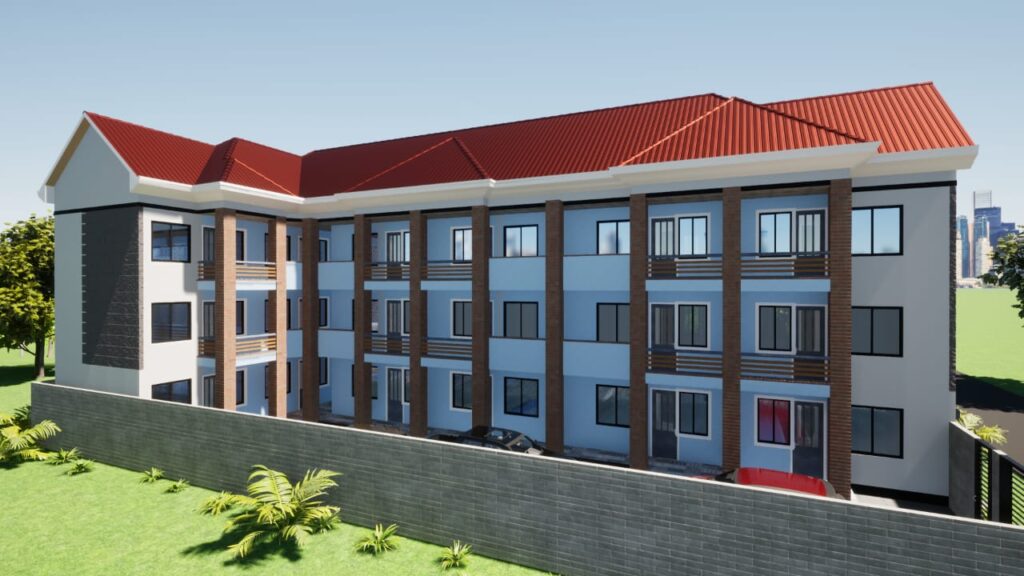
Sample Budget Breakdown for a 3-Bedroom House in Kenya
A practical example of a construction budget helps homeowners understand how costs are distributed across different stages of a project. Below is a realistic breakdown of a 3-bedroom house in Kenya, showing how funds are typically allocated from start to finish. This example assumes a standard single-storey bungalow with moderate finishes.
If the land cost is included, it varies widely depending on location. In peri-urban areas, land may be more affordable, while in urban centers it can significantly increase the total investment. For this example, we focus mainly on construction costs.
Design and approvals usually account for 3–7% of the total budget. This includes architectural drawings, structural designs, quantity surveying services, county approvals, and National Construction Authority (NCA) registration.
The foundation stage takes about 15–20% of the budget. This includes excavation, hardcore filling, concrete work, and reinforcement. A strong foundation is essential because it supports the entire structure.
Walling accounts for approximately 10–15%, depending on whether you use natural stone, machine-cut stone, or blocks. Labour and material costs are included in this stage.
Roofing typically consumes 10–15% of the total budget. The cost depends on whether you choose iron sheets, tiles, or more premium roofing systems like trusses with higher-grade finishes.
The largest portion goes to finishing works, which can take 30–40% of the budget. This includes plastering, flooring, ceilings, painting, doors, windows, kitchen fittings, and bathrooms. Finishing quality greatly influences the final appearance and comfort of the house.
Labour costs are often spread across all phases but can account for 10–15% overall, depending on contractor agreements and project complexity.
Finally, a contingency fund of 10–15% is essential to handle unexpected costs such as price increases, design changes, or site-related challenges.
Estimated Total Cost Range
For a standard 3-bedroom house in Kenya:
KES 4 million – KES 9 million
- Lower range: simple design, basic finishes, rural or peri-urban area
- Upper range: modern design, high-quality finishes, urban location
This breakdown shows how important it is to plan each stage carefully when learning how to budget for a construction project in Kenya, ensuring financial control and project success from foundation to completion.
Construction Timeline vs Budget Phases
A construction project budget in Kenya is closely tied to the project timeline. Each stage of construction has its own cost implications, and delays or poor sequencing often lead to increased expenses. Understanding how time and money interact is essential for effective cost control.
The pre-construction stage includes design development, BOQ preparation, and approvals from relevant authorities. Although this stage does not involve heavy construction work, delays here can increase costs due to inflation, redesigns, or extended consultancy fees.
The foundation stage is the first physical phase of construction. It involves excavation, concrete work, and reinforcement. Proper execution at this stage is critical because mistakes can be costly to correct later.
Next is the superstructure stage, which includes walling, beams, columns, slabs, and roofing framework. This is usually the most active construction phase, where a large portion of materials and labour costs are consumed.
The finishing stage follows, covering plastering, flooring, painting, fittings, and interior works. This stage often has the highest cost variability depending on the quality of finishes chosen.
Timing plays a major role in cost control. Delays in any phase can lead to increased labour charges, material price changes, and extended equipment rental costs. Additionally, poor coordination between stages often results in idle workers and wastage of resources.
A well-planned timeline ensures smooth progression from one phase to another, helping maintain financial discipline and preventing unnecessary budget overruns in your construction project in Kenya.
Tools to Help You Stay Within Budget
Staying within budget during a construction project in Kenya requires more than just planning—it requires the right tools to track, control, and manage every shilling spent. These tools help ensure transparency, accountability, and financial discipline throughout the construction process.
The most important tool is the Bill of Quantities (BOQ). This document provides a detailed breakdown of all materials, labour, and costs required for the project. It acts as the main reference point for budgeting and helps prevent guesswork in pricing.
An Excel cost tracking sheet is another essential tool. It allows you to record all expenses in real time, compare actual spending against the budget, and quickly identify any overruns. With simple formulas, you can monitor cash flow and adjust spending before it gets out of control.
A contractor payment schedule is also critical. Instead of making lump-sum payments, funds should be released in phases based on project milestones such as foundation, walling, roofing, and finishing. This ensures that payments align with actual progress on site.
A site supervision checklist helps monitor daily or weekly activities on-site. It ensures that materials are used correctly, workmanship meets standards, and no unnecessary wastage or theft occurs.
Additionally, mobile budgeting apps can be used for quick expense tracking and communication, especially for developers managing multiple projects or remote sites.
When used together, these tools provide full financial visibility and control, making it easier to successfully manage and complete a construction project within budget in Kenya.
Final Expert Tips for Budget Success in Kenya
Achieving success in a construction project in Kenya requires discipline, planning, and consistent monitoring from start to finish. Many projects fail not because of poor design, but because of weak financial control and rushed decisions during execution.
First, always plan thoroughly before construction begins. A clear design, approved BOQ, and defined scope help eliminate confusion and prevent costly changes later in the project.
Second, never rely on verbal estimates from contractors or suppliers. Always insist on written quotations supported by detailed measurements. This ensures transparency and protects you from unexpected price increases or hidden charges.
Third, it is essential to maintain a 10–15% contingency buffer in your budget. Construction projects are highly dynamic, and unexpected costs such as material price changes, transport adjustments, or minor design modifications are common. A contingency fund ensures your project continues smoothly without financial interruptions.
Fourth, make it a habit to monitor every stage of construction closely. Regular site visits or professional supervision help ensure that work is done according to plan, materials are not wasted, and quality standards are maintained.
Finally, avoid making emotional decisions during construction. Many homeowners overspend by upgrading finishes impulsively or making last-minute design changes. Every adjustment should be evaluated against your budget and long-term financial capacity.
By following these expert tips, you can maintain strong financial control and significantly increase your chances of completing your construction project in Kenya successfully, within budget, and without unnecessary stress.
Conclusion: Build Smart, Not Just Cheap
Successful construction in Kenya is not determined by how much money you have, but by how well you plan and manage it. Proper budgeting is the foundation of every successful project, and it directly determines whether a building will be completed smoothly or stall halfway due to financial strain. When you understand how to budget for a construction project in Kenya, you gain control over costs, timelines, and quality.
Financial discipline is essential at every stage of construction. From the initial design to the final finishing touches, every decision should be guided by a clear budget and realistic cost expectations. Avoiding unnecessary changes, tracking expenses closely, and planning for contingencies ensures that your project remains financially stable throughout the construction process.
It is also important to recognize that construction is not a solo effort. Involving professionals such as architects, quantity surveyors, and engineers early in the process significantly improves cost accuracy and project efficiency. Their expertise helps prevent costly mistakes, ensures compliance with regulations, and provides better value for your investment.
Ultimately, smart construction is about balance—balancing cost, quality, and long-term value. Building cheaply without planning often leads to expensive corrections later. However, building smart ensures that every shilling is used effectively to achieve a strong, durable, and valuable structure.
With proper budgeting, professional guidance, and disciplined execution, you can confidently turn your construction vision into a successful reality in Kenya.
CALL TO ACTION
Ready to build your dream home or apartment in Kenya without budget shocks?
The success of your construction project depends on proper planning, accurate costing, and professional supervision from the very beginning. Don’t risk costly mistakes caused by poor budgeting or unreliable estimates. Work with experienced professionals who understand construction cost control, BOQ preparation, and effective project management.
At West Kenya Real Estate Ltd, we are committed to helping you build smart, efficiently, and within budget. Our team ensures your project is properly planned and executed with full financial transparency.
We offer:
✔ Accurate construction budgeting
✔ Professional BOQ preparation
✔ Site supervision & cost control
✔ Affordable and efficient building solutions
📞 Call/WhatsApp: 0724481087 or 0789217685
📧 info@westkenyarealestate.com
Take the first step today and start your construction project the right way—avoid costly mistakes and build with confidence.