
Explore practical and stylish apartment designs with basement parking — including layout plans, structural tips, safety standards, cost guidance, and creative plan ideas to help you design or purchase the right basement parking solution for residential buildings.
Introduction
Apartment designs with basement parking are becoming a popular solution for modern urban living. They maximize land use, provide secure vehicle storage, and help apartments maintain a clean, uncluttered exterior. For developers and homeowners alike, basement parking ensures convenience and safety while adding significant value to the property.
In this article, we explore practical basement parking plan ideas, layout strategies, and functional design tips. You’ll also learn how to design a basement parking space efficiently, comply with building codes, and integrate it seamlessly into your apartment project. By the end, you’ll have actionable insights and inspiration to implement or choose the perfect basement parking solution.
What Is Basement Parking & Why Use It
Basement Parking Definition for Apartments
Basement parking is a type of underground parking space located below an apartment building, designed to efficiently house vehicles while saving above-ground space. It is often integrated with apartment designs to optimize land use, improve security, and maintain an organized exterior environment. These designs are suitable for both small and large residential projects, providing residents with easy access to their cars. Including basement parking in apartment designs with basement parking space adds significant value and convenience to modern apartment complexes.
Advantages Over Surface & Podium Parking
Compared to surface and podium parking, basement parking offers superior space efficiency and protects vehicles from weather conditions. It also improves the aesthetic appeal of apartment buildings by removing large parking areas from the front or surrounding landscape. Residents benefit from enhanced security features like controlled access, CCTV surveillance, and integrated fire safety systems. For more details on safety and operational considerations, check
When Basement Parking Makes Sense (Urban vs Suburban)
Basement parking is particularly useful in urban areas where land is expensive and space is limited, allowing developers to maximize the number of residential units on a plot. In suburban areas, it may be less critical but still adds value for multi-family apartments or complexes with high vehicle density. The choice often depends on plot size, building height, and long-term property planning goals. Apartment designs with basement parking lot can solve congestion issues while providing a safer, organized parking solution.
Common Misconceptions to Avoid
Many people assume basement parking is always expensive or difficult to build, but proper planning and cost estimation can make it affordable. Others believe it requires large plots, yet even small apartment sites can include well-designed basement parking layouts. Misunderstandings about ventilation, lighting, and safety are also common, but modern design strategies easily address these challenges. Learning how to design a basement parking space effectively ensures you avoid these pitfalls.
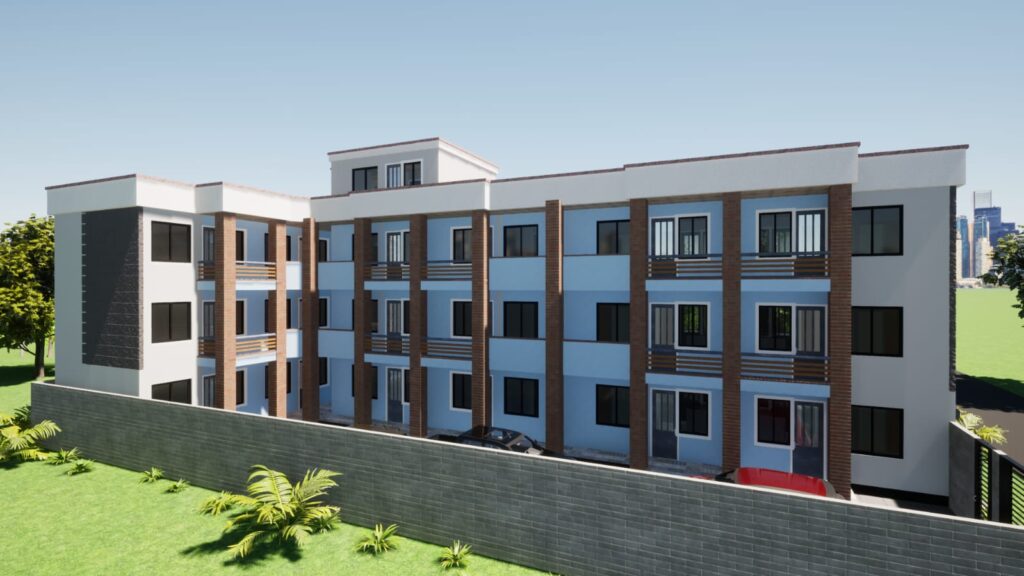
Planning & Design Essentials
Site Evaluation, Soil, Water Table & Excavation
Before designing basement parking, a thorough site evaluation is essential. Soil type, groundwater levels, and excavation feasibility must be analyzed to prevent structural issues and flooding risks. Urban sites with tight plots often require careful excavation planning to integrate the basement efficiently without compromising apartment stability. Proper geotechnical assessment ensures your basement car parking design for home or apartments is safe and sustainable.
Minimum Space Standards & Vehicle Dimensions
Designing effective basement parking requires understanding standard parking dimensions and circulation space. Typical parking slots are 2.5m wide and 5m long, with larger spaces for SUVs or handicapped access. Adequate aisle widths and turning radii are critical to avoid traffic congestion inside the basement. Incorporating apartment designs with basement parking space standards ensures comfort, safety, and regulatory compliance.
Ramp, Clearance & Circulation Planning
Ramps should have gentle slopes, usually between 12–15%, to ensure safe vehicle movement and comply with local building codes. Clearance height should accommodate all types of vehicles, including SUVs and delivery vans. Proper circulation planning prevents bottlenecks and allows smooth traffic flow throughout the basement parking area.
Accessibility & Integration With Vertical Transport
Basement parking must connect seamlessly with elevators, staircases, and pedestrian corridors. Accessibility features for people with disabilities are also essential, including ramps and designated parking slots. Proper integration ensures convenience for residents and enhances overall apartment functionality. Apartment designs with basement parking lot benefit greatly from this thoughtful connectivity.
Functional Design Components
Ventilation & Natural Light Strategies
Basement parking requires adequate ventilation to remove vehicle emissions and prevent moisture buildup. Natural light can be incorporated through light wells or skylights to reduce energy usage and improve safety. Modern designs balance mechanical ventilation with architectural openings to maintain air quality and enhance resident comfort. Implementing these strategies in basement car parking design for home or apartment ensures a healthier, safer environment.
Fire Safety & Emergency Access
Proper fire safety systems, including sprinklers, smoke detectors, and emergency exits, are critical for basement parking. Emergency vehicle access and clear evacuation routes must be considered during design. These measures reduce risk for residents and comply with local building regulations. Apartment designs with basement parking space should prioritize fire safety from the initial planning stage.
Lighting, Signage & Wayfinding
Effective lighting and signage improve visibility and prevent accidents inside basement parking. Wayfinding systems help residents navigate efficiently, especially in multi-level parking designs. Energy-efficient LED lighting and reflective signage can enhance safety while lowering operational costs. Including these elements in apartment designs with basement parking lot ensures a functional and user-friendly space.
Drainage, Waterproofing & Utility Layout
Proper drainage and waterproofing prevent flooding, seepage, and structural damage in basement parking areas. Utility layouts for plumbing, electrical, and stormwater systems must be integrated with the parking plan. These measures extend the lifespan of the basement while protecting vehicles and residents. Incorporating these technical details is essential in any basement parking plan ideas.
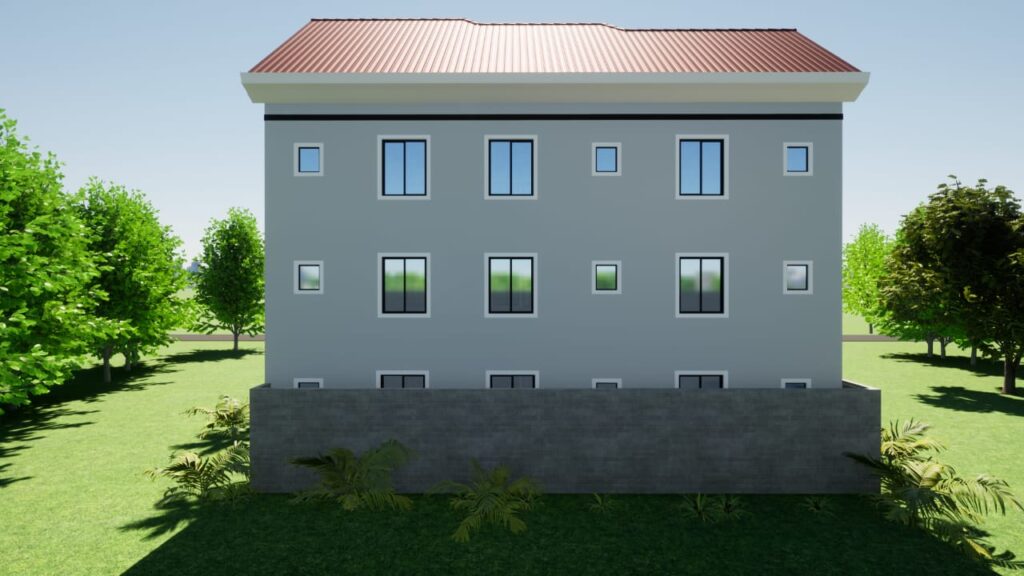
4. Best Layouts & Plan Ideas
Single‑Level Basement Parking Plans
Single-level basement parking plans are ideal for small to medium-sized apartment complexes where vehicle density is moderate. These layouts are simpler to construct and provide easy access to all parking slots, reducing ramp complexity. Designers often incorporate straight or angled parking arrangements to maximize space efficiency. Apartment designs with basement parking space benefit from single-level layouts for cost-effective, functional parking solutions.
Multi‑Level Basement Parking Layouts
Multi-level basement parking layouts are suitable for large residential buildings with high vehicle demand. They allow more cars to be accommodated on a limited plot, using ramps and circulation systems to connect levels. Careful planning of clearance heights, ventilation, and emergency access is essential for safety and compliance. Implementing apartment designs with basement parking lot on multiple levels maximizes land use while ensuring organized traffic flow.
Small Plot & Tight Urban Designs
In dense urban areas, space constraints require creative basement parking solutions. Compact layouts, angled slots, and automated or mechanical parking systems help optimize small plots. Designers must balance accessibility, vehicle maneuvering, and safety standards to achieve functional designs. Incorporating basement parking plan ideas for small plots ensures urban apartments remain practical without sacrificing living space.
Safety, Codes & Operational Considerations
Local Building Codes & Compliance Checklist
Adhering to local building codes is critical when designing basement parking for apartments. Codes cover dimensions, structural support, fire safety, ventilation, and emergency access. Compliance prevents legal issues, ensures safety, and enhances property value. Apartment designs with basement parking space should always be planned according to these regulations for a secure, reliable construction.
Fire Protection & Evacuation Routing
Fire protection systems in basement parking include sprinklers, fire alarms, and emergency exits that connect to the building’s vertical transport system. Clear evacuation routing and signage guide residents safely during emergencies. Integrating fire safety measures during the planning phase reduces risks and ensures regulatory compliance. Basement parking plan ideas must always prioritize safety alongside space efficiency.
Security Systems & Monitoring
Security systems like CCTV, access control gates, and motion sensors protect vehicles and residents. Proper monitoring deters theft, vandalism, and unauthorized access. Integrating security features into apartment designs with basement parking lot improves overall building safety and resident peace of mind. Modern layouts also consider emergency communication systems for added security.
Cost, Hiring Professionals & Tools
Cost Breakdown for Basement Parking Design
Basement parking design costs vary based on size, number of levels, excavation requirements, and safety systems. Construction and finishing materials, mechanical ventilation, lighting, and drainage also influence overall expenses. Accurate budgeting during the planning phase prevents cost overruns and ensures project feasibility. Apartment designs with basement parking space can be tailored to meet budget limits without compromising quality.
When to Hire an Architect vs Use Pre‑Made Plans
Hiring an architect is recommended for custom layouts, complex multi-level parking, or when local regulations are strict. Pre-made basement parking plans may be sufficient for standard single-level designs with fewer cars. The choice depends on plot size, budget, and building complexity. Apartment designs with basement parking lot often benefit from professional input to optimize functionality, safety, and aesthetics.
Software & Tools for Planning Basement Parking
Modern design software helps architects and developers visualize basement parking layouts accurately. Tools can simulate vehicle movement, optimize space, and test circulation and ramp designs. Software also ensures compliance with dimensional and safety standards before construction begins. Using software for apartment designs with basement parking space saves time, reduces errors, and improves overall efficiency.
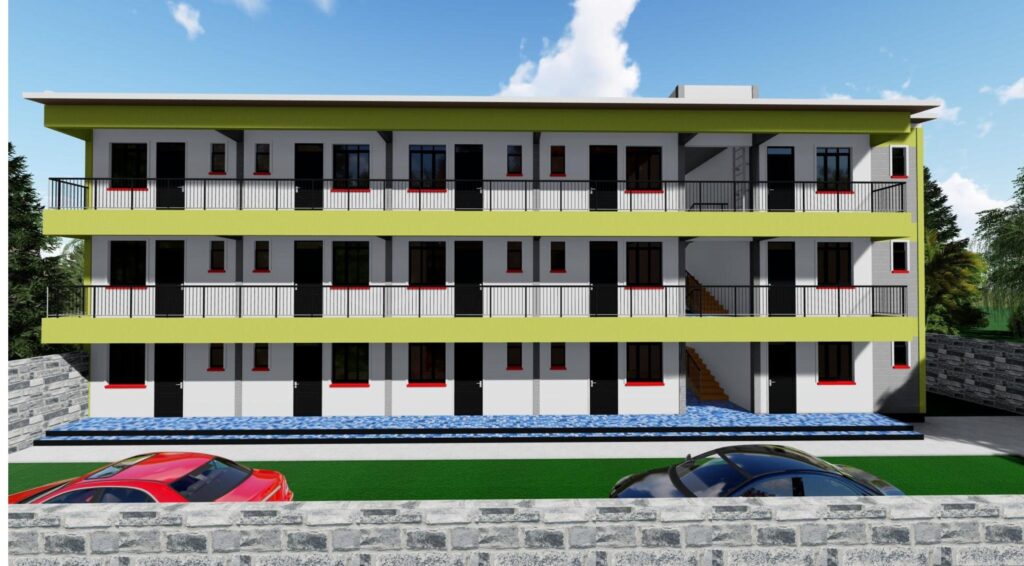
Conclusion
Apartment designs with basement parking provide an effective solution for urban and suburban buildings alike. They optimize land use, enhance security, and improve overall property value. By following proper planning, layout strategies, and safety considerations, developers and homeowners can create functional, convenient, and attractive parking spaces for residents. Long-term benefits include reduced clutter, efficient traffic flow, and increased appeal for potential buyers or tenants.
Proper cost planning, compliance with building codes, and the use of design tools ensure the basement parking is both practical and durable. Whether you are using single-level or multi-level layouts, incorporating ventilation, lighting, and circulation solutions enhances the resident experience. Apartment designs with basement parking lot, when executed well, balance functionality with aesthetics, providing a safe and organized environment for vehicles and people.


