
Explore comprehensive apartment block plans with parking layouts. Download PDFs, see design ideas, understand dimensions, and learn best practices for residential apartment architecture and parking integration.
Introduction
Apartment block plans with parking layouts are essential for developers, architects, and property investors who want functional and safe residential buildings. A well-designed apartment block floor plan integrates parking efficiently, ensuring that residents have easy access while maintaining smooth traffic flow. Understanding these layouts helps in maximizing plot usage, improving safety, and complying with local building regulations.
Downloading apartment block plans with parking layout PDFs allows you to see exact dimensions, symbols, and design ideas before starting construction. These plans provide a clear picture of how living spaces, common areas, and parking zones interact. Whether you are exploring multi-story parking options or compact urban layouts, using these plans ensures informed decisions for successful apartment block architecture.
Key Components of Apartment Block Floor Plans
Typical Apartment Unit Layouts
Apartment block plans with parking layouts start with designing the individual apartment units. Typical units include one-bedroom, two-bedroom, and three-bedroom apartments, each designed for optimal space utilization. The layout ensures that rooms, living areas, and kitchens are functional while providing privacy for residents. These unit designs form the core of apartment block architecture plans and influence overall circulation and parking placement.
Circulation and Common Areas
Circulation areas such as corridors, staircases, and hallways connect apartments efficiently and allow smooth movement for residents. Common areas like lobbies, lounges, and recreational spaces should be strategically positioned to enhance usability without compromising the space allocated for parking. Proper circulation planning ensures safety, accessibility, and compliance with building standards. These spaces integrate seamlessly with apartment block floor plans, supporting both residential comfort and parking access.
Vertical & Horizontal Space Planning
Effective apartment block floor plans consider both vertical and horizontal space planning to maximize usable area. Vertical planning addresses the number of floors, elevator shafts, and stairwells, while horizontal planning focuses on room layouts, corridors, and parking placement. Thoughtful planning ensures optimal sunlight, ventilation, and accessibility, which directly affects parking integration and overall building efficiency. Proper spacing reduces congestion in parking areas and common corridors.
Integration of Parking Access Points
Integrating parking access points in apartment block plans is crucial for smooth vehicular movement and resident convenience. Driveways, ramps, and entry/exit points must be planned to minimize traffic conflicts and allow emergency access. Parking access should also align with the building’s architectural design, ensuring safety and visual appeal. Well-integrated parking points prevent bottlenecks and enhance the overall functionality of apartment block floor plans.
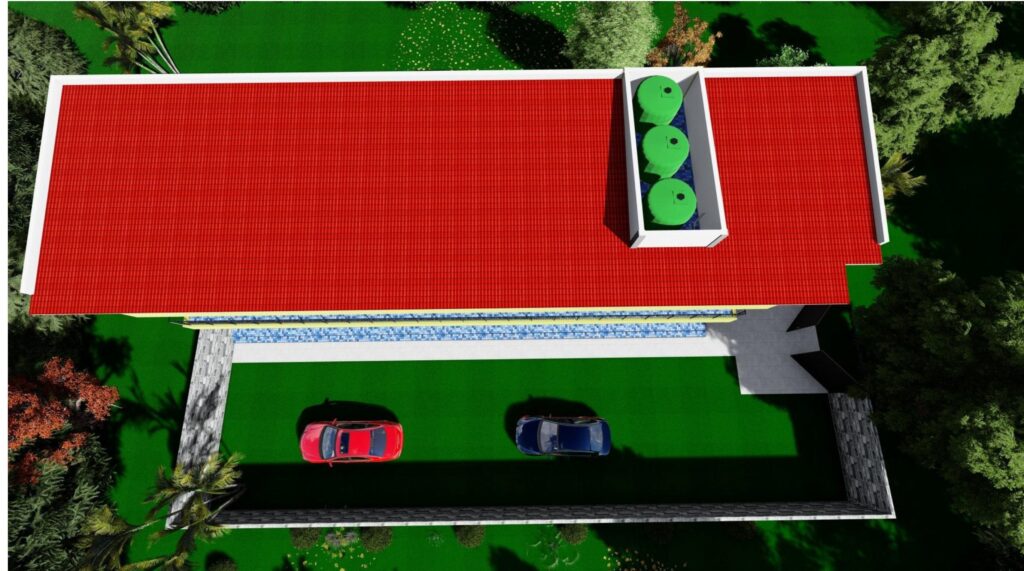
Parking Layout Essentials in Apartment Blocks
Types of Parking: Basement, Ground, Stilt
Apartment block plans with parking layouts often use a combination of basement, ground floor, and stilt parking, depending on plot size and building height. Basement parking maximizes open space on the ground level, while stilt or elevated parking frees ground-level space for landscaping or amenities. Each type of parking has specific structural and circulation requirements that must be considered in architectural plans. Choosing the right parking type improves usability, accessibility, and resident satisfaction.
Parking Space Dimensions & Standards
Parking space dimensions in apartment block plans must comply with local building codes and accommodate various vehicle sizes. Standard spaces typically range between 2.4–2.7 meters wide and 4.8–5.5 meters long, depending on single or double parking arrangements. Proper spacing ensures easy entry and exit without damaging vehicles and supports smooth traffic flow within parking areas. Accurate dimension planning is a critical part of apartment block architecture plans.
Parking Circulation & Safety
Efficient parking circulation prevents congestion and ensures safety for both drivers and pedestrians. Apartment block plans with parking layouts should include clear pathways, ramps, turning radii, and designated pedestrian zones. Proper circulation reduces accidents and improves the functionality of multi-level parking structures. Safety measures such as signage, lighting, and marked lanes are integral to parking design.
Accessibility and Regulatory Compliance
Parking areas must comply with local regulations, including accessibility standards for disabled residents and fire safety codes. Apartment block floor plans should include ramps, elevators, and adequate turning space to meet these legal requirements. Regulatory compliance ensures that the building receives approvals from authorities and avoids penalties. Integrating accessibility features enhances the usability and reputation of the property.
internal link: Understand parking requirements per Kenya building codes: [link]
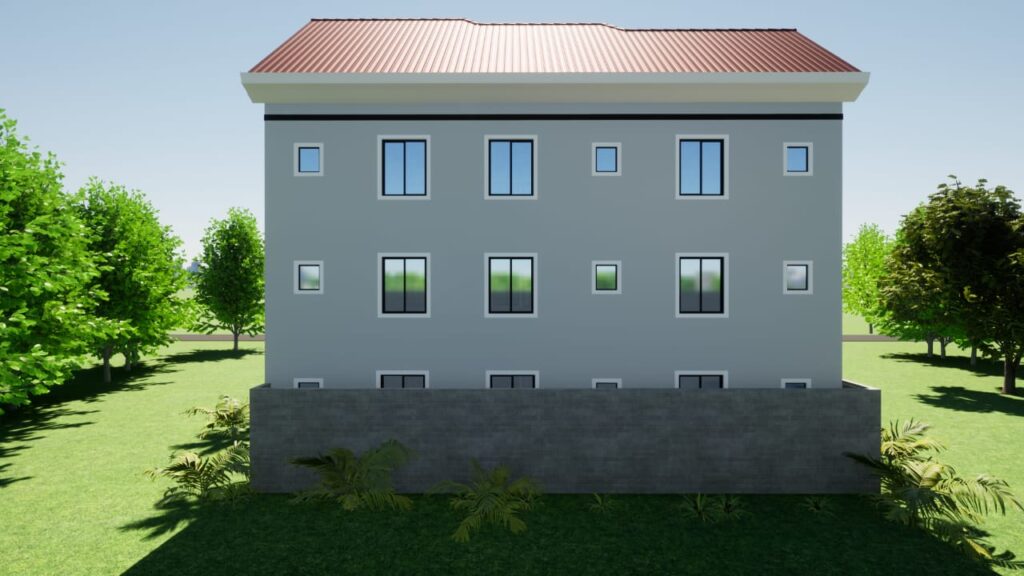
Architecture & Design Best Practices
Site Planning & Zoning Considerations
Proper site planning ensures that apartment blocks are positioned for optimal sunlight, ventilation, and road access. Zoning regulations dictate the placement of parking areas, setbacks, and building height, which must be incorporated into floor plans. Effective site planning maximizes usable space while complying with local building codes. This planning directly impacts parking layout efficiency and resident convenience.
Vertical Circulation & Ramp Design
Designing ramps and vertical circulation in apartment block plans is essential for multi-story parking integration. Ramps should be positioned to allow smooth access to basement or upper-level parking without interfering with residential areas. Proper slope, width, and turning radius ensure vehicle safety and reduce congestion. Vertical circulation design also enhances accessibility for emergency services.
Lighting, Ventilation, and Safety in Parking Areas
Adequate lighting and ventilation improve safety and usability in apartment block parking areas. Proper airflow prevents accumulation of exhaust fumes, while well-lit pathways enhance visibility and reduce crime risk. Safety features like fire extinguishers, signage, and emergency exits are integral to parking design. These elements are crucial in apartment block plans with parking layouts to meet both regulatory and resident requirements.
Sustainable & Space-Saving Design Approaches
Sustainable parking solutions in apartment blocks save space and reduce environmental impact. Techniques include stack parking, green roofing over parking areas, and energy-efficient lighting. Space-saving designs allow more room for landscaping or communal amenities while maintaining adequate parking. Incorporating these strategies in apartment block architecture plans enhances property value and appeal.
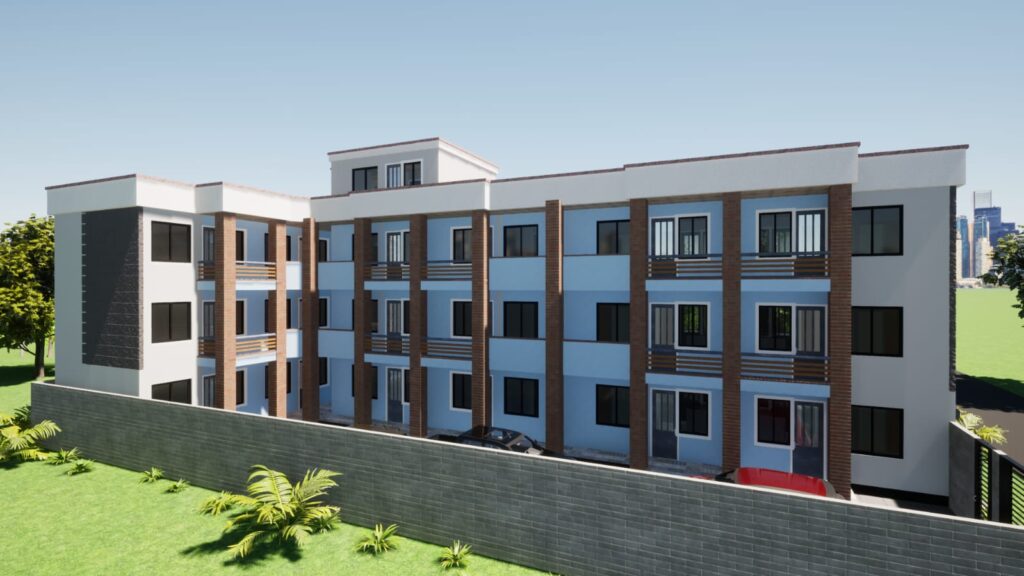
Apartment Block Plans With Parking Layout PDFs
Free & Paid Downloadable PDFs
Apartment block plans with parking layout PDFs are valuable resources for developers, architects, and investors. Free PDFs provide basic layout ideas, while paid versions offer detailed dimensions, symbols, and professional-grade architectural plans. These downloadable plans save time and allow accurate pre-construction planning for both residential spaces and integrated parking areas. Using PDFs ensures you can visualize layouts and make informed decisions before starting construction.
How to Read Dimensions & Scales in Plans
Understanding dimensions and scales in apartment block plans is essential for proper execution of construction projects. Each PDF includes a scale, showing how measurements on paper translate to real-life building sizes. Learning to read these dimensions accurately helps with parking space allocation, room sizing, and overall building layout. Proper interpretation of scales also ensures compliance with local building codes and design standards.
Common Plan Symbols and Legend
Apartment block plans with parking layouts use symbols to represent doors, windows, parking spaces, stairs, and ramps. Familiarity with these symbols allows architects, engineers, and developers to understand layouts quickly and accurately. Legends included in PDFs provide clear explanations, making it easy to identify all elements of the plan. Knowing these symbols is crucial for translating plans into practical construction and efficient parking integration.
Design Ideas & Inspiration for Parking Integration
Compact Urban Parking Layouts
In urban areas, space is often limited, making compact apartment block parking layouts essential. Designs like stacked or angled parking maximize available land without sacrificing access or safety. Proper planning ensures that residents can park easily while maintaining smooth traffic flow throughout the block. Compact parking ideas also allow more space for amenities and landscaping in apartment block plans with parking layouts.
Multi-Story Parking Options
Multi-story parking solutions are ideal for larger apartment blocks with limited ground space. Incorporating ramps, elevators, and stacked parking designs allows more vehicles without expanding the building footprint. These options improve accessibility, reduce congestion, and maintain compliance with zoning laws. Multi-story parking is a critical consideration when designing apartment block floor plans with parking layouts.
Case Studies & Successful Apartment Layouts
Examining real-life apartment block plans with integrated parking layouts helps developers understand practical design solutions. Case studies reveal how architects manage space, traffic flow, and compliance while maintaining aesthetics. These examples provide inspiration for new projects and highlight common pitfalls to avoid. Learning from successful layouts ensures that parking and residential areas are both functional and efficient.
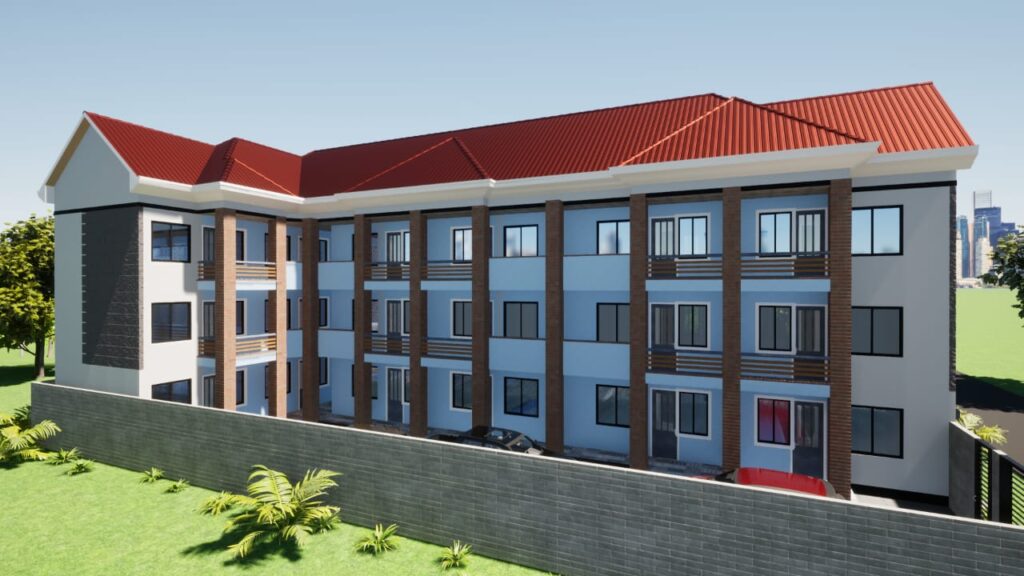
Customization & Software Tools
Using CAD, DWG, PDF & BIM Tools
Modern apartment block plans with parking layouts can be customized using CAD, DWG, PDF, and BIM software. These tools allow architects and developers to adjust dimensions, add features, and optimize parking efficiency digitally before construction begins. Using software reduces errors, saves time, and provides accurate visualizations of the building and parking integration. Advanced tools also support collaboration among designers, engineers, and stakeholders.
Hiring Architects vs Using Ready-Made Plans
Deciding between hiring an architect or using ready-made apartment block plans with parking layouts depends on project complexity. Architects provide customized designs, ensure regulatory compliance, and optimize space use, while ready-made plans save time and cost for simpler projects. Both approaches require careful planning of residential units, circulation, and parking to meet residents’ needs. Understanding the benefits of each option helps make better investment and construction decisions.
Adjusting Plans for Plot Size & Regulations
Every plot has unique dimensions and zoning requirements that affect apartment block plans with parking layouts. Adjustments may include reducing or expanding unit sizes, changing parking placement, or modifying circulation paths. Proper customization ensures compliance with local building codes while maximizing space efficiency. Tailoring plans to the site guarantees practical, functional, and safe apartment block designs.
Conclusion
Apartment block plans with parking layouts are critical for developing functional, safe, and efficient residential buildings. Integrating parking into the design from the start improves traffic flow, ensures compliance with regulations, and maximizes usable space for both residents and amenities.
By studying apartment block plans with parking layouts, developers can make informed decisions about unit sizes, parking types, and circulation strategies. Combining design ideas with modern software tools or professional architects ensures a balance between aesthetics, safety, and functionality. Ultimately, these plans save time, reduce errors, and increase the success of residential projects.


