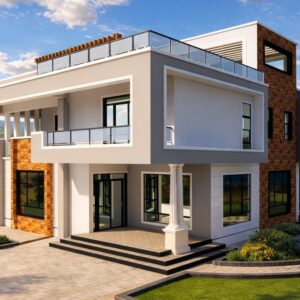
Building Approval Drawings Kenya
“Learn everything about building approval drawings in Kenya – from preparation, county submission, permit drawings, costs, legal requirements, to FAQs for homeowners and investors. Ensure smooth council approvals and start construction legally.”
Why it Matters
Importance of Building Approval Drawings in Kenya
Building Approval Drawings Kenya
Building approval drawings in Kenya are essential documents that outline your proposed construction project in detail. They guide contractors, architects, and county officials on how the building should be constructed, ensuring compliance with local regulations. Without these drawings, it is almost impossible to secure a building permit or avoid construction delays.
Approval drawings also help in proper budgeting and planning. By clearly visualizing the project, homeowners and investors can identify potential design issues early. Additionally, they serve as a reference for future renovations or extensions.
Legal Requirement for Construction Permits
Under Kenya’s Physical and Land Use Planning Act, every construction project must submit approved building drawings to the relevant county council before starting any construction. Failure to comply can result in fines, work stoppages, or even demolition orders. This legal requirement protects property owners, neighbours, and the community by ensuring all structures are safe and sustainable.
Professional architects and engineers typically prepare these drawings, ensuring all technical and regulatory standards are met. By meeting legal requirements, homeowners demonstrate compliance and reduce the risk of legal disputes.
Benefits of Properly Prepared Drawings
Properly prepared building approval drawings in Kenya streamline the construction process. They ensure compliance with local building codes, facilitate smooth council submissions, and reduce the chances of project delays.
Other benefits include:
- Accurate cost estimation and budget control
- Clear communication between architects, engineers, and contractors
- Simplified approval process for building permits
- Easier handling of renovations or expansions in the future
Investing in high-quality drawings saves time and money while maintaining legal compliance.
Services Included
Architectural Drawings: Plans, Elevations, Sections
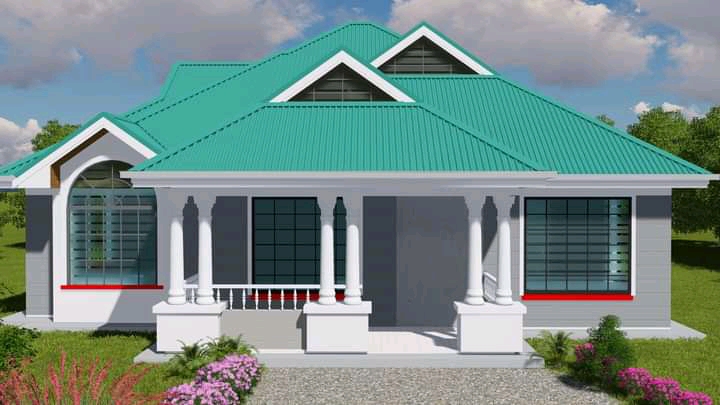
Architectural drawings form the backbone of building approval submissions. They include floor plans, elevations, and sectional views, clearly showing the layout, design, and appearance of the building. These drawings are critical for council officials to understand your project.
Including these drawings in your submission improves the chance of quick approval.
Structural Drawings & Calculations
Structural drawings provide detailed information about the building’s framework, including beams, columns, and load-bearing elements. Calculations ensure the building can withstand environmental stresses and meet safety standards.
Counties require these documents to verify structural integrity before issuing permits. Accurate structural drawings minimise the risk of costly revisions during construction.
Site Survey Plans & Topographical Data
A site survey plan shows the exact dimensions, boundaries, and slope of your plot. Topographical data highlights the terrain, drainage, and any natural features that may affect construction.
These surveys help county officials confirm that your project fits within legal boundaries and zoning laws.
NEMA & Environmental Requirements
For projects with environmental impact, NEMA approval or an Environmental Impact Assessment (EIA) may be required. Including this in your building approval drawings ensures compliance with Kenya’s environmental laws.
Failing to submit these can result in delays or refusal of the building permit.
Professional Services: Architect, Engineer, Surveyor
Licensed professionals are essential for preparing building approval drawings. Architects design the project, engineers handle structural calculations, and surveyors provide accurate site measurements.
Engaging qualified professionals ensures drawings meet county standards and increases the likelihood of fast approval.
Cost Breakdown
Typical Fees for Building Approval Drawings
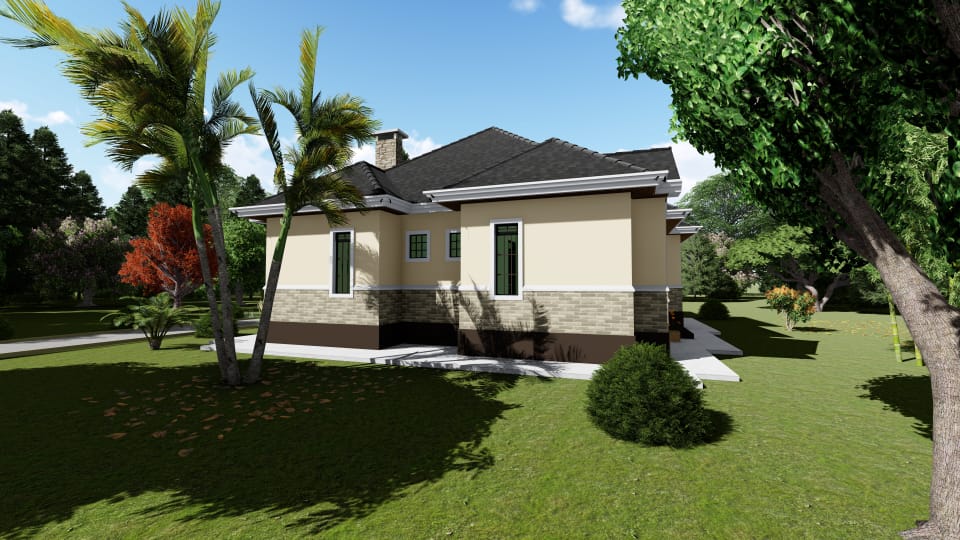
The cost of building approval drawings in Kenya varies depending on the complexity and size of the project. On average, a standard residential building may cost between KES 50,000 and KES 150,000 for a complete set of architectural and structural drawings. These fees typically cover design, drafting, and preliminary consultations with licensed professionals.
Investing in professional drawings ensures accuracy and compliance with county standards, reducing the risk of costly delays or rejections.
Cost Differences Between Counties
Building approval fees can differ significantly from one county to another. Nairobi County may have higher submission charges due to urban density and regulatory demands, while smaller counties may have lower fees. Some counties also offer electronic submission discounts via e-DAMS, which can reduce overall costs.
Understanding these variations helps homeowners budget effectively before submitting their approval drawings.
Professional Fees vs Submission Fees
It is important to distinguish between professional fees and county submission fees. Professional fees include payments to architects, structural engineers, and surveyors for preparing the drawings. Submission fees, on the other hand, are paid directly to the county council for reviewing and approving your building plans.
Being aware of this difference prevents unexpected expenses and helps in planning the overall project budget. Bullet points for clarity:
- Professional fees: architects, engineers, surveyors
- Submission fees: county council building permit charges
- Miscellaneous: printing, revisions, and compliance documents
Cost of Revisions & Corrections
Revisions to building approval drawings can increase project costs if errors are found during the county review process. Common reasons for revisions include non-compliance with building codes, incomplete technical details, or discrepancies in site plans.
To minimise extra costs, ensure your drawings are prepared by experienced professionals and reviewed before submission. Some counties may charge additional fees for resubmissions, so it is best to plan for potential revisions in your budget.
Factors Influencing Costs
Complexity of Building Design
The complexity of your building design directly affects the cost of building approval drawings in Kenya. A simple single-story house requires fewer technical details, while multi-story buildings with intricate layouts or unique architectural features require more detailed plans and calculations.
More complex designs may also require additional consultations with engineers and specialised drawings, increasing overall expenses.
Size of the Plot & Proposed Structure
The size of your plot and the total built-up area influence approval drawing costs. Larger plots or buildings require more detailed site plans, structural calculations, and sometimes additional surveys.
Homeowners planning extensive developments should budget accordingly to cover both professional fees and county submission charges.
Level of Detail in Technical Drawings
The level of detail included in technical drawings also impacts costs. Comprehensive drawings covering electrical, mechanical, and plumbing systems, along with structural calculations, cost more than simplified plans.
High-quality, detailed drawings improve the chances of council approval and reduce delays caused by revisions. Bullet points for clarity:
- Structural calculations for load-bearing walls
- Detailed electrical and plumbing layouts
- Accurate site measurements
County-Specific Requirements
Different counties in Kenya have varying standards for building approval drawings. Nairobi may demand more detailed documentation and higher submission fees, while smaller counties may have fewer requirements.
It is essential to check the specific county’s regulations before preparing your drawings to avoid costly mistakes or rejected submissions.
Legal & Regulatory Considerations
Physical & Land Use Planning Act Requirements
Building approval drawings in Kenya must comply with the Physical and Land Use Planning Act. This law ensures that all developments meet safety, zoning, and land use regulations. County councils review your drawings against these standards before granting approval.
Adhering to the Act prevents legal penalties, fines, or demolition orders. Homeowners and investors should ensure their drawings are prepared by licensed professionals to meet these legal standards.
NCA & Registration Compliance
The National Construction Authority (NCA) requires that contractors and professionals involved in construction are properly registered. Using NCA-registered engineers and architects ensures that building approval drawings meet national safety and quality standards.
Non-compliance can result in rejected submissions or halted projects. Engaging licensed professionals demonstrates credibility and adherence to Kenyan construction laws.
County-Specific Building Codes
Each county in Kenya may have its own building codes, dictating construction standards such as height restrictions, setback requirements, and materials used. Your building approval drawings must align with these local codes to secure a permit.
Checking county-specific regulations before submission reduces the risk of rejection and speeds up approval. Bullet points for typical county code requirements:
- Maximum building height limits
- Setbacks from roads and neighbouring plots
- Approved construction materials
Occupation & Completion Certificate Requirements
After construction, a completion or occupation certificate is required to legally occupy the building. County officials inspect the site to verify compliance with approved drawings and safety standards.
Properly prepared building approval drawings simplify this process and ensure that homeowners can obtain the certificate without delays.
Permits for Extensions, Renovations, or Special Projects
Even renovations, extensions, or unique construction projects need separate approval drawings and permits. Minor modifications may require simplified submissions, while major structural changes need full technical drawings.
Ensuring proper approvals prevents legal issues, avoids fines, and guarantees compliance with county and national building regulations.
How to Choose the Right Professionals
Selecting Licensed Architects & Engineers
Choosing licensed architects and engineers is crucial for preparing building approval drawings in Kenya. Licensed professionals ensure that your drawings comply with county and national regulations, including structural, electrical, and plumbing standards.
Working with certified experts also reduces the likelihood of errors and costly revisions during council submissions.
Bullet points for selecting professionals:
- Verify licenses from the Board of Registration of Architects and Engineers
- Check for experience with county approvals
- Review past projects and client testimonials
Checking County Registration & Approval Experience
Beyond professional licenses, it is essential to check if your team has experience with the specific county where the building will be constructed. Some counties have unique requirements or additional documentation, and prior experience ensures smoother submissions.
Professionals familiar with local procedures can guide you on submission formats, approval timelines, and potential revisions.
Using Digital Submission Platforms (e-DAMS)
Many Kenyan counties now accept building approval drawings through electronic platforms like e-DAMS. Choosing professionals experienced with these systems ensures your drawings meet digital submission standards and reduces processing delays.
Benefits of e-DAMS include:
- Faster review and approval times
- Online tracking of submission status
- Reduced paperwork and printing costs
Conclusion
Summary of Key Points on Approval Drawings
Building approval drawings in Kenya are essential for any construction project, ensuring compliance with county regulations, safety standards, and national laws. Properly prepared drawings streamline the approval process, minimise delays, and help homeowners budget accurately.
Investing in detailed architectural, structural, and technical drawings reduces the risk of costly revisions and legal complications.
Importance of Following County Guidelines
Following county-specific guidelines is crucial when preparing and submitting building approval drawings. Each county may have unique requirements regarding plot setbacks, building height, materials, and submission procedures.
Adhering to these rules ensures faster approvals and avoids penalties, work stoppages, or even demolition orders.
Bullet points for best practices:
- Review local building codes before preparing drawings
- Submit all required technical and environmental documents
- Engage professionals familiar with the county’s approval process
CTA: Book a Licensed Architect/Engineer for Drawings
Ensure your building approval drawings are prepared by licensed architects and engineers. Professional expertise guarantees accuracy, compliance, and smoother council submissions.
- CTA Tip: Contact a certified architect or engineer to start preparing your building approval drawings today.