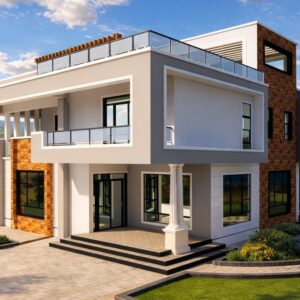
Cost of Building a Modern Bungalow House in Kenya
Explore the realistic cost of building a modern bungalow in Kenya in 2025. Get updated per m² rates, cost breakdown (land, labour, materials, permits), design factors, and money‑saving strategies.
Introduction
Cost of Building a Modern Bungalow House in Kenya
The cost of building a bungalow in Kenya is changing rapidly in 2025. Factors like inflation, rising taxes on construction materials, and surging labour costs are making it more expensive to build homes today. These changes are important for anyone planning to construct a modern bungalow this year.
In Kenya, a “modern bungalow” usually refers to a single-storey house with contemporary finishes. Many homeowners are also incorporating smart or green features such as solar panels, energy-efficient lighting, and rainwater harvesting systems. These additions can slightly increase the build cost but improve long-term efficiency and value.
This guide will help you understand the realistic costs per square metre, the differences in building costs across regions, and how design choices affect your budget. You will also learn practical tips for financing, managing construction risks, and making cost-effective decisions. By the end, you’ll have a clear picture of what it takes to build a modern bungalow in Kenya in 2025.
Current Construction Cost Landscape in Kenya (2025)
Understanding the cost of building a bungalow in Kenya in 2025 starts with looking at the overall construction landscape. Costs vary widely depending on location, materials, and building type. By knowing these factors, homeowners and developers can plan their budgets more accurately and avoid surprises.
Average Cost per Square Metre
The average cost per square metre is a useful metric when estimating a bungalow build. According to sources like Integrum and Zao Construction, costs differ based on the type of house and location.
- Standard bungalow: approximately Ksh 50,000 – 65,000 per m²
- Luxury maisonette or high-end bungalow: can reach Ksh 90,000 – 120,000 per m²
Regional differences also affect costs. Building in Nairobi or other urban centers is more expensive than in rural or peri-urban areas due to higher labor and transport costs.
Key Cost Drivers in 2025
Several factors are driving the cost of building a modern bungalow in Kenya this year:
- Material price inflation: Cement, steel, glass, and other essential materials have increased in price.
- Currency fluctuations & import levies: Imported materials become more expensive due to taxes and currency changes.
- Labour costs: Skilled labour rates vary across counties, making location a critical factor in budgeting.
Understanding these drivers helps you make smarter choices when selecting materials and contractors.
Internal linking suggestion: Link “material price inflation” and “labor costs” to your Detailed Cost Breakdown section.
Economic & Regulatory Factors
Economic policies and regulations also influence the bungalow construction cost in Kenya.
- High taxes on construction inputs can increase overall expenditure.
- Contingency buffers of 10–15% are recommended to handle unforeseen expenses such as price hikes or delays.
Considering these factors early in planning ensures a smoother construction process and prevents budget overruns.
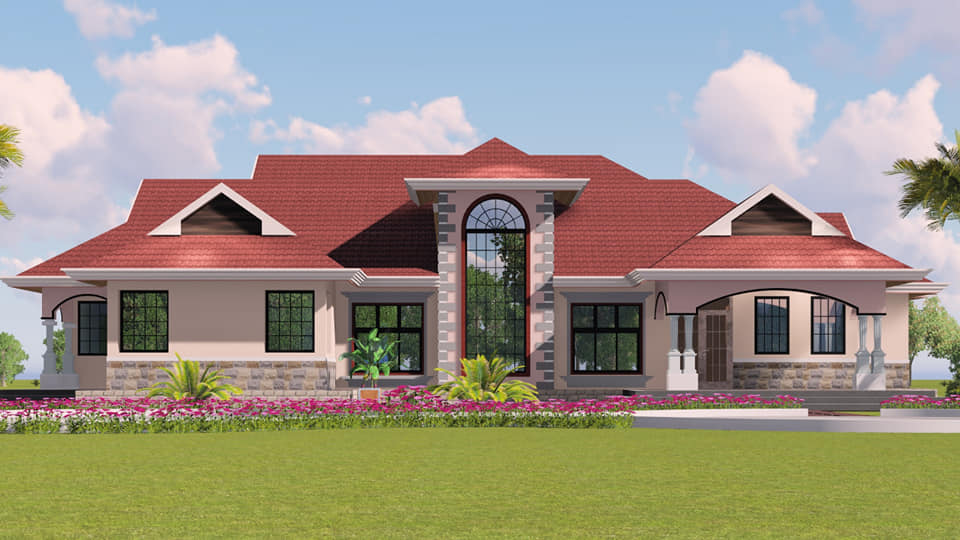
Cost Range for Building a Modern Bungalow in 2025
Knowing the cost of building a bungalow in Kenya in 2025 depends largely on the finish level, size, and design choices. Costs can vary significantly between low‑to‑mid-range homes and luxury modern bungalows. Understanding these ranges helps homeowners plan budgets realistically and choose the best design for their needs.
Low‑to‑Mid Range Finish Bungalow
For homeowners seeking a budget-friendly modern bungalow, the low‑to‑mid range finish is the most common choice.
- Typical cost per square metre: Ksh 50,000 – 65,000
- Standard finishes include ceramic tiles, basic kitchen and bathroom fittings, and locally sourced materials
- Most suitable for 3‑bedroom bungalows or smaller layouts
Choosing this range allows for a functional modern bungalow without overspending while still providing a contemporary look.
Premium or Luxury Modern Bungalow
Premium bungalows offer high-end finishes and smart features for homeowners seeking a more luxurious experience.
- Cost per square metre: Ksh 90,000 – 120,000 or more
- Features may include hardwood flooring, high-quality countertops, energy-efficient glass, solar power, and automated lighting
- Often designed with larger floor areas and open-plan living spaces
Luxury builds are ideal for 4‑bedroom or executive bungalows where aesthetics, comfort, and smart home integration are priorities.
Sample Cost Scenarios by Size
Estimating the total cost also depends on the bungalow size:
- 3‑bedroom bungalow (100–140 m²): Ksh 5–9 million for low-to-mid range, depending on location and finishes
- 4‑bedroom/executive bungalow: Ksh 10–18 million for premium finishes, with costs increasing for luxury fittings and smart systems
These examples give homeowners realistic expectations of the bungalow cost in Kenya, helping to plan financing and construction phases effectively.
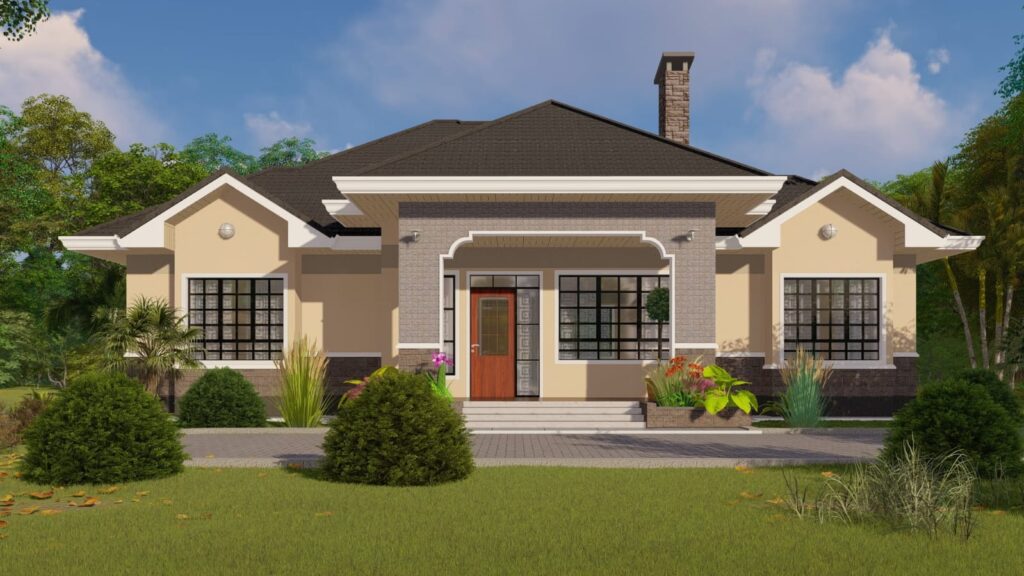
Detailed Cost Breakdown
A thorough understanding of the cost of building a bungalow in Kenya requires breaking down each component of construction. From land acquisition to finishing touches, every stage contributes to the total expenditure. Proper planning ensures no surprises and helps you stay within budget.
Land Acquisition Costs
The cost of land significantly affects the total bungalow construction cost in Kenya.
- Prices vary depending on location, accessibility, and plot size.
- Urban land, especially in Nairobi, is much more expensive than rural areas.
- Choosing land with easy access to utilities can save on additional infrastructure costs.
Professional services are essential for a safe and compliant build.
- Architect fees: typically 5–10% of total construction cost
- Structural engineer fees: around 1–3%
- Quantity surveyor (QS): 1–2% of the project cost
Hiring the right professionals ensures accurate designs, proper structural integrity, and realistic cost estimation.
Site Preparation & Foundation
Preparing the site and laying the foundation is a critical early stage.
- Costs include clearing vegetation, excavation, and soil testing.
- Soil type can influence foundation type and overall cost.
- A strong foundation reduces future maintenance costs and improves durability.
Superstructure Costs
The superstructure forms the main body of the bungalow.
- Includes walling materials, steel reinforcement, roofing structure, and finishes.
- Material choice (brick, blocks, or interlocking systems) directly impacts cost.
- Roof types—iron sheets, tiles, or reinforced concrete—also vary in price.
Finishing Costs
Finishing determines the final look and feel of the bungalow.
- Key elements include tiles, ceilings, paint, windows, and interior fittings.
- Higher-quality finishes increase cost but improve home value and comfort.
- Standard finishes are ideal for low-to-mid range builds, while luxury finishes suit high-end bungalows.
MEP (Mechanical, Electrical, Plumbing)
Mechanical, electrical, and plumbing works are essential for a functional home.
- Electrical wiring, switches, and lighting fixtures
- Plumbing pipes, taps, and bathroom fittings
- Proper installation avoids future maintenance issues and ensures safety
Permits, Contingency & Overruns
Legal compliance and unforeseen expenses are part of any construction project.
- Permit costs vary by county and must be budgeted upfront.
- Contingency buffers of 10–15% protect against price hikes, delays, or design changes.
- Including a buffer for taxes and levies ensures smoother cash flow during construction.
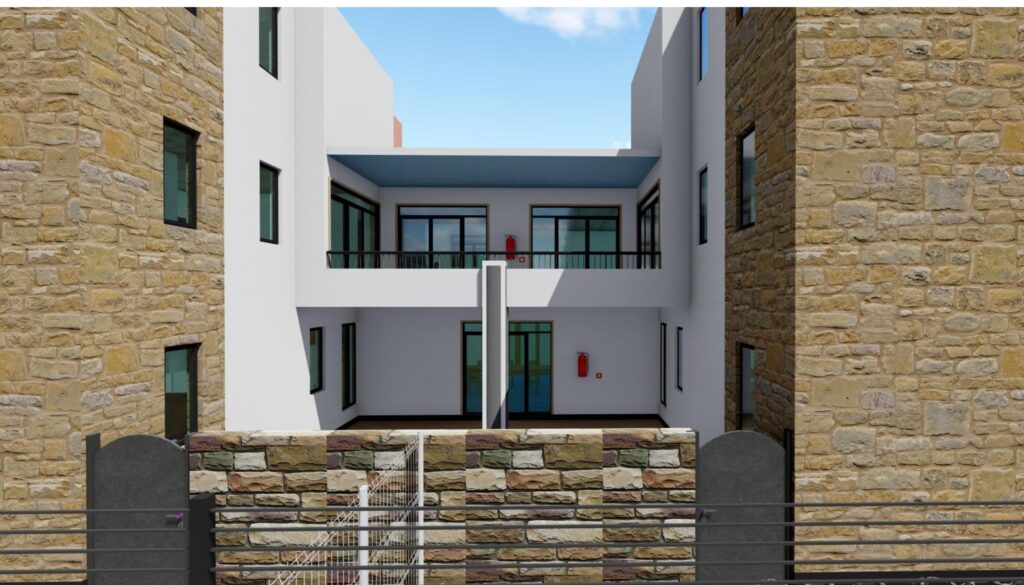
Design Factors That Influence Cost
The cost of building a bungalow in Kenya can vary greatly depending on design choices. Factors like floor plan, materials, green features, and landscaping influence both construction costs and long-term value. Making smart design decisions helps balance aesthetics, functionality, and budget.
Modern Bungalow Floor Plans & Layouts
Floor plans and layouts directly impact construction costs.
- Open-plan layouts create a spacious feel but may increase structural costs.
- Compartmentalised designs can reduce material usage but may feel smaller.
- Number of rooms and total floor area determine the volume of materials and labour required.
Choice of Materials
Material selection is a major driver of build cost.
- Traditional brick walls are durable but can be more expensive than interlocking blocks or prefabricated systems.
- Use of glass, steel, or energy-efficient materials can increase cost but enhance aesthetics and efficiency.
- Choosing locally available materials can reduce transportation costs.
Green & Smart Features
Integrating smart and green solutions affects both cost and long-term savings.
- Solar panels reduce electricity bills but add to initial cost.
- Rainwater harvesting systems can save water expenses and support sustainable living.
- Insulation and energy-efficient lighting improve comfort and lower utility costs.
Landscaping & Outdoor Spaces
Outdoor spaces influence both cost and property appeal.
- Driveways, patios, and gardens require planning and materials.
- External lighting enhances security and aesthetics but adds to expenses.
- Thoughtful landscaping can increase property value and curb appeal.
Regional Variations & Location Considerations
Location is a critical factor in the bungalow construction cost in Kenya. Costs vary due to labor rates, material availability, and local regulations. Understanding these differences helps homeowners budget effectively.
Urban vs Peri‑Urban vs Rural Build Costs
Building in different areas comes with different cost implications:
- Urban areas like Nairobi are more expensive due to higher labor and land costs.
- Peri-urban areas may offer lower land costs but slightly higher transport costs.
- Rural locations generally have cheaper labour and land but may require more infrastructure investment.
Specific Regional Premiums
Certain regions carry additional premiums:
- Nairobi and major towns are the most expensive.
- Coastal areas may have higher costs due to importation of some materials.
- Western and Nyanza regions tend to be more affordable but labor quality may vary.
Impact of Local Regulations & Approvals by County
Compliance with local building codes affects both cost and construction time:
- Permit fees vary by county and must be included in the budget.
- Some counties require stricter structural standards, influencing material and labour needs.
- Delays in approvals can lead to additional expenses.
Financing Your Bungalow Build
Financing plays a crucial role in the cost of building a bungalow in Kenya. Proper planning ensures you have enough funds for each construction phase and reduces the risk of delays or cost overruns.
Construction Loans & Mortgages in Kenya
Several financing options are available for bungalow construction:
- Construction loans: Short-term loans designed to cover building expenses.
- Mortgages with construction component: Allow phased drawdowns as the project progresses.
- Specialised construction financing: Some banks offer lower interest rates for energy-efficient or green home builds.
Choosing the right financing option ensures smooth cash flow and reduces the stress of unexpected expenses.
Budget Planning & Cash Flow Forecasting
Effective budgeting is critical to avoid overspending:
- Break payments into phases aligned with construction milestones.
- Manage drawdowns carefully to ensure funds are available when needed.
- Include a contingency buffer of 10–15% for unexpected costs.
Proper planning helps you stick to your bungalow cost estimates and complete the build on schedule.
Risk Management
Construction projects carry inherent risks, and planning for them protects your investment:
- Cost overruns: Monitor expenses against estimates regularly.
- Inflation risk: Material prices can increase during construction.
- Contingency planning: Allocate funds for delays or design changes.
Implementing risk management strategies ensures the bungalow build cost in Kenya stays manageable.
Cost-Saving Strategies for a Modern Bungalow
Building a modern bungalow doesn’t have to break the bank. Strategic planning and smart choices can reduce the cost of building a bungalow in Kenya without compromising quality.
Value Engineering & Simplified Design
Simplifying your design can significantly cut costs:
- Reduce unnecessary architectural features.
- Optimise floor plans to minimise material waste.
- Focus on functional layouts rather than overly elaborate designs.
This approach ensures a modern bungalow that is both stylish and cost-efficient.
Bulk Buying & Local Sourcing of Materials
Purchasing materials strategically can lower expenses:
- Buy in bulk to leverage discounts from suppliers.
- Use locally available materials to reduce transport costs.
- Compare prices across multiple vendors to find the best deals.
Smart sourcing keeps your construction budget on track.
Hiring Skilled Local Labour vs Contractors
Labour decisions influence both quality and cost:
- Skilled local labour may cost less but require more supervision.
- Contractors provide project management but charge a premium.
- Balancing labour type with project complexity ensures efficiency.
Choosing wisely helps reduce total bungalow construction costs while maintaining quality.
Phased Construction/Future Expansion
Building in stages can make costs manageable:
- Construct the core house first and add rooms later.
- Prioritise essential spaces like bedrooms, kitchen, and bathrooms.
- Plan for future expansion in the original design to avoid structural issues.
Phased construction allows homeowners to spread costs over time and adjust to changing budgets.
Real‑Life Case Studies & Examples
Examining real-life case studies provides practical insight into the cost of building a bungalow in Kenya. Case studies show how location, size, finishes, and design choices influence overall budgets. They also help homeowners understand what to expect when planning a modern bungalow in 2025.
Case Study – Affordable Modern Bungalow (3‑bedroom)
A 3‑bedroom affordable modern bungalow highlights cost-efficient strategies:
- Total floor area: 120 m²
- Estimated cost: Ksh 5–7 million for low-to-mid range finishes
- Key features: Open-plan living and dining, basic kitchen with locally sourced cabinets, standard bathroom fittings, simple roof tiles, and ceramic flooring
- Location impact: Built in a peri-urban area to save on land costs and labour, while still having access to utilities and transport routes
- Material choices: Local interlocking blocks, standard roofing iron sheets, and basic window and door fittings to minimise costs without compromising durability
This example shows how careful planning, locally sourced materials, and simplified design can achieve a modern bungalow while staying within budget. It also demonstrates the importance of linking size, layout, and finish quality to total construction costs.
Internal linking suggestion: Link “3‑bedroom bungalow” to Cost Range for Building a Modern Bungalow in 2025.
Case Study – High-End/Luxury Modern Bungalow
A luxury modern bungalow demonstrates how design and high-end finishes increase the bungalow construction cost in Kenya:
- Total floor area: 180 m²
- Estimated cost: Ksh 12–18 million depending on choice of materials and smart features
- Key features: Hardwood flooring, granite countertops, imported tiles, energy-efficient glass windows, solar panels, automated lighting, rainwater harvesting, and modern landscaping
- Location impact: Built in Nairobi, where land, labor, and professional fees are higher than in rural areas
- Design considerations: Open-plan living, larger room sizes, decorative ceilings, and premium kitchen and bathroom fittings
- Cost drivers: Smart home automation, energy-saving systems, and premium finishes significantly raise both per-square-metre and total costs
This case highlights the difference between standard and luxury modern bungalows, emphasising how location, materials, and green features impact the final price.
Cost Breakdown Example (with real quotes or sample BOQ)
Providing a detailed cost breakdown helps homeowners visualise how funds are allocated:
- Land acquisition: Ksh 1.5 million (location-dependent)
- Site preparation & foundation: Ksh 4 million for excavation, foundation, and initial superstructure
- Superstructure & finishing: Ksh 6–7 million covering walls, roof, windows, doors, tiles, paint, and ceilings
- MEP (Mechanical, Electrical, Plumbing): Ksh 1–1.5 million for wiring, fixtures, plumbing, and electrical connections
- Permits & professional fees: Ksh 1 million including architect, QS, and county approvals
- Contingency: Ksh 500,000 (10–15% buffer for price increases or unexpected changes)
This example gives homeowners a practical guide to budgeting, showing how the total bungalow build cost in Kenya can be broken down and planned efficiently.
Checklist Before You Start Building
Preparation is key to a successful bungalow build. A detailed checklist ensures that the cost of building a bungalow in Kenya is manageable and prevents delays or unexpected expenses.
Site Survey & Soil Testing
Before construction, it’s crucial to assess the land:
- Conduct a detailed topographical survey to identify boundaries, slopes, and drainage patterns
- Perform soil testing to determine the foundation type, bearing capacity, and potential construction challenges
- Ensure the site has access to utilities like water, electricity, and roads
- Early site assessment helps prevent cost overruns and ensures your foundation is safe and durable
Design & Architectural Approvals
Obtaining approvals early avoids legal issues and construction delays:
- Submit detailed architectural plans to county authorities
- Ensure designs comply with local building codes and zoning regulations
- Approval timelines vary by county; plan for potential delays to avoid budget impact
- Early compliance ensures that the bungalow construction cost in Kenya is not inflated by fines or redesigns
Quantity Surveyor Estimation (BOQ, quotes)
A Quantity Surveyor ensures cost accuracy and transparency:
- Prepare a Bill of Quantities (BOQ) for materials, labour, and professional fees
- Use the BOQ to compare contractor quotes and prevent overpricing
- A QS also tracks progress payments and ensures that construction stays within budget
- This step protects against unexpected increases in bungalow build costs
Contractor Procurement & Contract Signing
Selecting and contracting the right builder is critical for quality and cost management:
- Choose contractors with proven experience in modern bungalow construction
- Ensure contracts include scope of work, timelines, milestones, and payment schedules
- Consider performance guarantees or penalty clauses for delays or substandard work
- Clear agreements minimise disputes and help control total construction cost
Risks & Challenges to Anticipate in 2025
Building a bungalow in Kenya in 2025 comes with several risks and challenges that can impact cost, timelines, and quality. Being aware of these factors allows homeowners to plan and mitigate potential issues effectively.
Inflation & Material Price Volatility
Material prices have been unstable in 2025, affecting the cost of building a bungalow in Kenya:
- Cement, steel, glass, and imported finishes can increase unexpectedly due to global or local market fluctuations.
- Labour costs also rise with inflation, particularly in urban areas.
- Contingency buffers of 10–15% are recommended to protect against these price surges.
Proper planning ensures your project remains within budget despite market volatility.
Delays in Approval/Permits
Regulatory delays can cause unexpected cost increases:
- County authorities may take longer to approve architectural plans, building permits, or specialised approvals.
- Delays can extend project timelines, leading to higher labour and equipment rental costs.
- Submitting complete documentation and following up proactively helps reduce risks.
Poor Contractor Management/Quality Risk
Selecting the wrong contractor or failing to supervise quality can raise costs:
- Substandard workmanship may require costly rework or repairs.
- Mismanagement of materials can lead to wastage and budget overruns.
- Regular site supervision and clear contractual obligations help minimise risks.
Currency Risk (if importing materials)
For imported finishes or smart home systems, currency fluctuations can add unexpected costs:
- A weakening local shilling increases the price of imported materials.
- Planning ahead and sourcing local alternatives when possible can reduce exposure.
- Include a contingency for currency volatility in your budget.
Conclusion
Understanding the cost of building a bungalow in Kenya in 2025 requires awareness of all major factors: material prices, labor costs, professional fees, and design choices.
- Major cost drivers: Material price inflation, location, design complexity, smart and green features, and regulatory approvals.
- Ballpark cost ranges:
- Low-to-mid range bungalow: Ksh 5–7 million (3‑bedroom, basic finishes)
- Premium/luxury bungalow: Ksh 12–18 million or more (4‑bedroom with high-end finishes and smart features)
- Final advice: Get detailed quotes, hire a qualified Quantity Surveyor, and plan smartly with contingency buffers. Phased construction and value engineering can also reduce total costs without compromising quality.
By carefully considering these factors, homeowners can confidently build a modern bungalow in Kenya in 2025 while minimising risk and maximising value.