
How decarbonization in construction in Kenya is reshaping buildings with green materials, policy roadmaps, and financing—key insights for 2026.
Introduction
Decarbonization in Construction in Kenya
Kenya’s construction sector is entering a major transformation through decarbonization — a shift that dramatically reduces carbon emissions from buildings and construction processes, lowers environmental impact, and creates new market opportunities. Fueled by national decarbonization roadmaps, green building standards, and innovative materials, this transition is reshaping how homes, offices, and infrastructure are built across the country — with clear economic and environmental benefits.
Definition:
Decarbonization in construction in Kenya means reducing carbon emissions from building materials, construction processes, and building operations.
Why Decarbonization Matters in Kenyan Construction
Understanding Environmental Impact & Emissions
Decarbonization in construction in Kenya is critical because the building sector contributes significantly to greenhouse gas emissions. By reducing both operational and embodied carbon, construction projects can limit their environmental footprint and help the country meet climate goals. Sustainable building practices also minimize resource depletion and reduce energy consumption throughout a building’s lifecycle.
Business & Regulatory Push Toward Net Zero
The shift toward net-zero construction in Kenya is driven by regulatory frameworks and market demand for greener buildings. Developers are increasingly required to comply with carbon reduction targets, while investors prioritize energy-efficient and environmentally friendly projects. These policies encourage innovation in construction decarbonization, creating opportunities for sustainable building practices across the country.
Benefits for Developers & Investors
Decarbonization offers financial and strategic advantages for developers and investors. Green construction reduces operational costs, enhances property value, and attracts tenants looking for energy-efficient spaces. Additionally, projects that follow sustainable practices are eligible for financing incentives such as green bonds or concessional loans, improving long-term ROI.
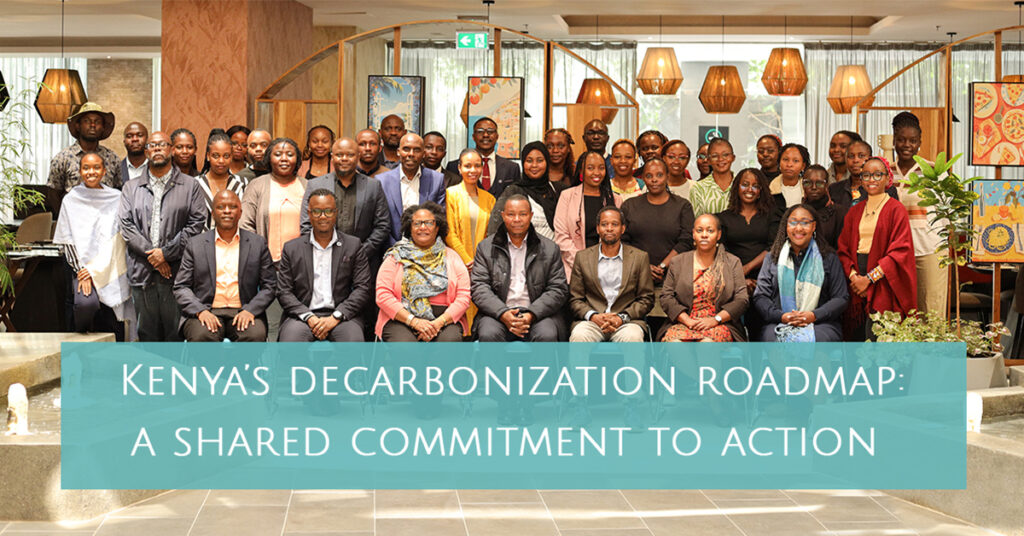
Kenya’s National Decarbonization Roadmap
The National Decarbonization Roadmap for construction (2026–2040) guides the country toward reducing building sector emissions. It outlines clear targets, best practices, and implementation strategies for sustainable construction projects. By aligning with this roadmap, developers can contribute to Kenya’s climate goals while remaining competitive in the real estate market.

Core Decarbonization Methods That Work
Operational Carbon Reduction Techniques
Operational carbon reduction focuses on minimizing emissions during a building’s use. This includes energy-efficient HVAC systems, smart lighting, and optimized building management. By adopting these measures, developers can significantly lower electricity consumption and reduce greenhouse gas emissions over the building’s lifecycle.
Embodied Carbon Minimization Strategies
Embodied carbon refers to emissions produced during the extraction, manufacturing, and transport of building materials. Using low-carbon materials such as cement substitutes, recycled steel, or sustainable timber reduces the total carbon footprint. Developers adopting these strategies can achieve a more sustainable building without compromising durability or design.
Digital & Lifecycle Assessment Tools (e.g., BIM)
Digital tools like Building Information Modeling (BIM) and lifecycle assessment software help track and manage carbon emissions throughout a project. These tools allow developers to optimize designs, reduce waste, and simulate energy performance before construction. Implementing these technologies is essential for data-driven decarbonization strategies in Kenya’s construction industry.
Integrating Renewable Energy & Efficiency
Integrating renewable energy sources such as solar panels and efficient energy storage systems into buildings reduces reliance on fossil fuels. Combined with passive design strategies, these measures significantly cut operational carbon. In Kenya, developers using renewable energy solutions are increasingly meeting both regulatory requirements and market demand for sustainable properties.

Kenya’s Policy, Roadmap & Market Forces
The National Roadmap (2026–2040)
Kenya’s National Roadmap for decarbonization provides a structured framework for reducing emissions in the building sector. It sets targets for both operational and embodied carbon and guides stakeholders on compliance and best practices. The roadmap serves as a benchmark for developers, investors, and regulators to measure progress in construction decarbonization.
Green Building Standards & Regulations
Green building standards like EDGE and Kenya Green Building Society certifications encourage developers to adopt sustainable construction practices. These standards ensure energy efficiency, water conservation, and low-carbon materials are prioritized. Compliance with these regulations enhances property value and aligns projects with Kenya’s climate commitments.
Stakeholder Collaboration & Forums
Multi-stakeholder forums bring together government agencies, developers, investors, and NGOs to accelerate decarbonization. These collaborations facilitate knowledge sharing, joint investment in green technologies, and faster implementation of sustainable practices. Participation in these forums positions developers as leaders in Kenya’s green construction market.
International Cooperation & Knowledge Exchange
Kenya collaborates with global partners to adopt best practices and advanced technologies for decarbonization. Programs like the ZERB Accelerator provide technical and financial support to local developers. International knowledge exchange accelerates the adoption of low-carbon construction methods and ensures Kenya remains aligned with global sustainability goals.
Transformative Tools & Materials for 2026
Green Certified Building Materials (e.g., low‑carbon cement)
Green certified building materials, such as low‑carbon cement and recycled steel, are transforming construction in Kenya by reducing embodied carbon. These materials meet sustainability standards while maintaining durability and structural integrity. Developers using green-certified materials can also qualify for environmental certifications and attract eco-conscious investors and tenants.
Biogenic & Innovation Materials (e.g., mycelium panels)
Innovative biogenic materials, including mycelium panels and bamboo composites, offer low-carbon alternatives to traditional building materials. These materials are renewable, biodegradable, and significantly reduce environmental impact. In Kenya, adopting such materials supports sustainable construction practices while enhancing a project’s market appeal and regulatory compliance.
Integrated Smart Construction Technology
Integrated smart construction technologies like Building Information Modeling (BIM), energy monitoring sensors, and automated systems improve efficiency and reduce waste. These technologies allow developers to track carbon emissions, optimize resource use, and enhance overall project sustainability. In Kenya, smart technologies are becoming essential for advancing decarbonization and meeting regulatory expectations.
Financing, Investment & Cost‑Benefit Insights
Green Bonds, Concessional Loans & Financing Options
Green financing options, including green bonds and concessional loans, enable Kenyan developers to invest in low-carbon construction projects. These financing mechanisms reduce upfront costs and provide incentives for sustainable building practices. Accessing such funding helps bridge the financial gap for environmentally friendly projects and accelerates adoption of decarbonization measures.
EDGE & Other Certification Value for Investors
EDGE and other green building certifications provide measurable benchmarks for energy, water, and material efficiency. Investors benefit from higher asset value, tenant retention, and eligibility for sustainability-linked incentives. In Kenya, certifications also enhance market credibility and signal commitment to long-term environmental responsibility.
How Decarbonization Drives ROI
Implementing decarbonization strategies increases ROI by lowering operational costs, improving energy efficiency, and enhancing marketability. Sustainable projects attract environmentally conscious tenants and investors, creating long-term revenue growth. In Kenya’s construction market, integrating decarbonization practices provides both financial and environmental benefits, making it a strategic business decision.
Barriers to Adoption and How to Unlock Value
Cost & Accessibility Challenges
High upfront costs for sustainable materials and technologies can slow decarbonization adoption in Kenya. Limited local production of green materials further increases expenses. Overcoming these challenges requires innovative financing options, public-private partnerships, and strategic sourcing to make decarbonization more affordable and accessible.
Skills & Technology Gaps
A lack of technical expertise and experience with low-carbon construction methods limits effective decarbonization. Many developers and contractors in Kenya need training in advanced materials, digital tools, and sustainable design practices. Addressing this gap through capacity-building programs ensures wider adoption and higher-quality sustainable projects.
Regulatory Implementation Barriers
Although Kenya has strong decarbonization policies, inconsistent enforcement and limited regulatory support can hinder adoption. Developers may face delays or uncertainty in meeting green standards, slowing project timelines. Strengthening policy enforcement and streamlining approvals will help unlock the full potential of decarbonization in the construction sector.
Conclusion
Decarbonization is not only an environmental imperative — it is a growth engine for Kenya’s construction industry. By adopting actionable strategies, leveraging supportive policy frameworks, and tapping into increasing investor interest in 2026, the sector is poised for a sustainable transformation. This approach delivers significant ecological benefits while generating economic returns for developers and investors.