3 Bedroom House Designs For Sloping Land
Explore top 3-bedroom house designs for sloping land, including split-level and hillside plans that maximise views, light, and build efficiency.
Introduction
3 Bedroom House Designs For Sloping Land
Building on sloping land offers a unique opportunity to create a home with breathtaking views, multiple levels, and outdoor living spaces that blend seamlessly with the terrain. However, it requires careful planning and design to ensure structural stability, functionality, and aesthetic appeal. With the right 3‑Bedroom House Designs For Sloping Land, you can make the most of your property’s natural slope while maintaining comfort and style.
These designs, from split-level layouts to hillside homes, are tailored to adapt to gentle or steep slopes. By choosing a plan that fits your land, you can enhance privacy, maximise natural light, and incorporate features like walkout basements, terraces, and open living areas. This guide will help you explore the best options and practical tips to turn your sloping plot into a dream home.
Why Choose Sloping Land House Plans
Benefits of Building on Sloping Land
3‑Bedroom House Designs For Sloping Land
Building on sloping land allows homeowners to take advantage of natural elevation, creating unique living spaces that standard flat-lot plans cannot offer. These benefits include maximising panoramic views, incorporating multi-level outdoor terraces, and enhancing natural light throughout the home. Sloping lot house plans also provide the opportunity for creative architectural designs such as split-level layouts or walkout basements.
Challenges and Opportunities on Uneven Terrain
While sloping land presents exciting design possibilities, it also comes with challenges such as site preparation, retaining walls, and proper drainage planning. Builders must consider excavation costs and foundation stability, which can vary depending on the slope’s steepness. However, these challenges also create opportunities for innovative solutions like tiered landscaping, split-level floors, and elevated decks that maximise usable outdoor space.
How Sloping Plans Make the Most of Views & Privacy
Sloping land house plans are uniquely positioned to optimise both views and privacy. By orienting living spaces toward the landscape and using multi-level designs, homeowners can enjoy unobstructed scenery while shielding private areas from neighboring plots. Features like terraces, balconies, and walkout basements can enhance these advantages, creating a home that feels open, spacious, and secluded at the same time.
Top 3‑Bedroom Sloping Land House Design Types
Split‑Level House Designs for Sloping Land
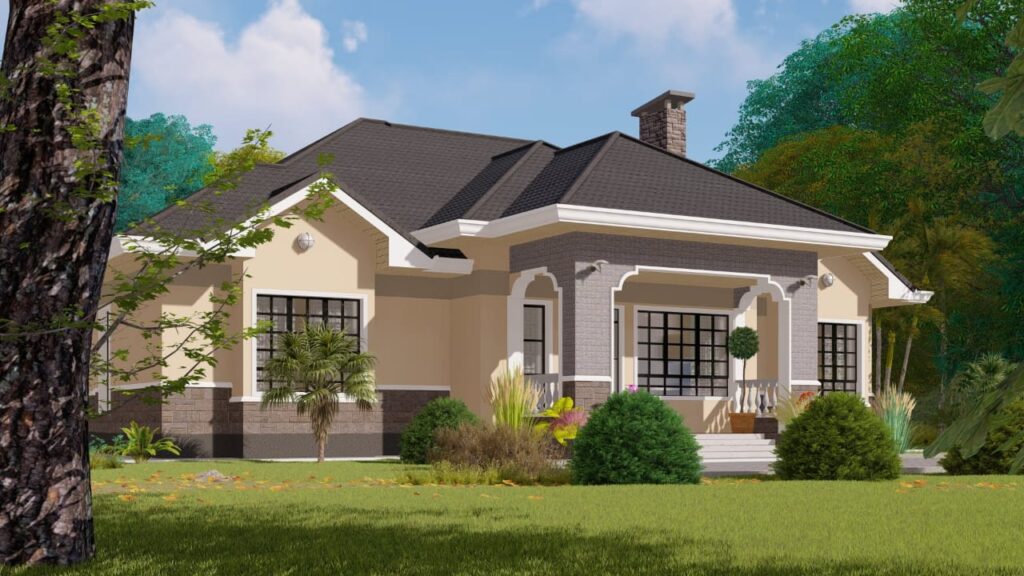
Split-level house designs are ideal for sloping lots because they adapt naturally to elevation changes without requiring extensive excavation. These layouts typically separate living, sleeping, and recreational areas across different levels, making efficient use of vertical space while providing functional flow. They also allow for strategic placement of windows and decks to maximise views.
Walkout Basement & Daylight Designs
Walkout basements are perfect for sloping land, allowing the lower level to open directly onto the yard. Daylight basements combine this feature with large windows and glass doors to bring natural light into spaces that would otherwise feel underground. These designs are great for creating extra living areas, home offices, or rental units while seamlessly connecting indoor and outdoor spaces.
Hillside Home Designs With Terraces & Decks
Hillside home designs make full use of the natural slope by integrating terraces, decks, and balconies at different levels. This approach enhances outdoor living, offers stunning views, and allows for creative landscaping. It’s a flexible design solution suitable for gentle or steep slopes and can include features like rooftop gardens or split outdoor patios.
Modern Sloping Lot Houses With Open Layouts
Modern sloping lot houses often emphasise open floor plans that flow across multiple levels. These layouts integrate indoor and outdoor spaces while maintaining a minimalist aesthetic. Features such as large windows, sliding doors, and floating staircases enhance the sense of space and light, making the home feel larger than its footprint.

Key Design Features for Sloping Lot Homes
Foundation & Retaining Wall Considerations
A solid foundation is crucial for any sloping land house design, often requiring stepped or pier foundations to adapt to uneven terrain. Retaining walls help prevent soil erosion and provide level areas for landscaping or patios. Proper planning at this stage ensures the home is structurally safe and reduces long-term maintenance issues.
Driveway, Parking & Access Planning
Access on sloping lots requires careful consideration to avoid steep or unsafe driveways. Parking areas may need to be terraced or partially elevated to align with the house design. Effective planning ensures vehicles can navigate easily while preserving the natural slope and enhancing curb appeal.
Staircase & Vertical Circulation Planning
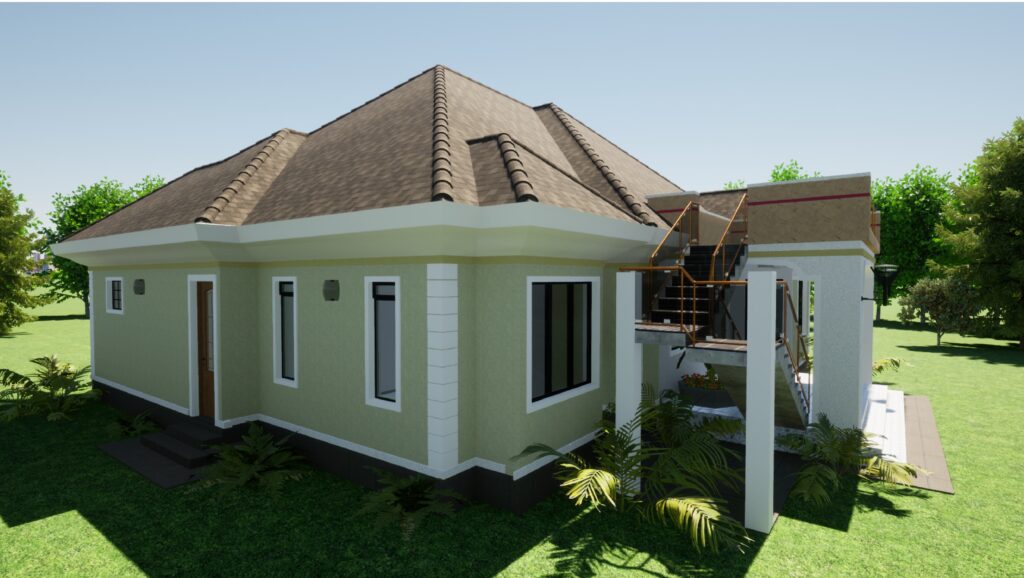
Multi-level homes on slopes rely heavily on staircase placement for smooth movement between floors. Internal circulation should complement the house layout while minimising unnecessary steps. Creative use of split-level stairs, ramps, or multi-directional staircases can make vertical movement comfortable and visually appealing.
Cost & Budget Planning for Sloping Land Builds
Cost Drivers (Foundations, Decks, Terraces)
Building on sloping land often requires additional work that increases costs, such as specialized foundations, retaining walls, and excavation. Features like multi-level decks, terraces, and balconies also contribute to the overall budget but are essential for making the most of views and outdoor spaces. Understanding these cost drivers early helps homeowners plan effectively and avoid unexpected expenses.
Comparing Split‑Level vs Standard Builds
Split-level designs are often more expensive than traditional single-level homes because they involve more complex structural engineering and staircases. However, they can minimise excavation and make better use of the natural slope. Standard builds may appear simpler but can require more grading or retaining walls to level the land, which could also increase costs depending on the terrain.
Value Engineering Tips for Sloped Sites
Value engineering on sloped sites involves making design and material choices that reduce costs without compromising quality or aesthetics. Examples include using reinforced concrete instead of extensive retaining walls, designing compact floor plans, or integrating existing slopes into outdoor living spaces. Smart planning can save money while enhancing functionality and style.
How to Choose & Customise Your Sloping Land Plan
Assessing Your Land’s Slope & Orientation
Before selecting a plan, it’s crucial to assess the slope’s steepness, direction, and soil stability. Orientation impacts sunlight, ventilation, and privacy, so understanding your land’s characteristics ensures you choose a house design that maximises natural light and views while minimising excavation.
Ready‑Made Plans vs Custom Architect Designs
Ready-made sloping land house plans offer convenience and faster implementation, often at lower costs. Custom architect designs, however, allow for full adaptation to your land’s unique slope, lifestyle needs, and aesthetic preferences. Deciding between the two depends on budget, time, and how much flexibility you need for your hillside home.
What to Ask When Ordering Plans
When ordering a sloping land house plan, ask about slope-specific foundation details, retaining walls, drainage solutions, and outdoor features. Confirm that the plan includes accurate elevation drawings and that the design can be adapted if your land differs from standard slope assumptions. Asking these questions upfront prevents costly modifications later.
Practical Construction tips for sloping land homes.
Building on sloping land requires careful planning to ensure safety, functionality, and long-term durability. Understanding your site’s slope, soil type, and drainage patterns is essential for choosing the right design approach, minimising excavation costs, and maximising natural views. When done correctly, sloping land construction allows for efficient foundations, strong structural performance, and seamless indoor–outdoor living.
Working With Terrain: Excavation & Drainage
Proper excavation and drainage are critical on sloped sites to prevent erosion, water pooling, and foundation issues. Builders may need to create stepped or tiered foundations and integrate drainage channels that guide rainwater safely away from the home. Effective planning here ensures structural integrity and long-term durability.
Smart Site Assessment and Orientation
Before construction, assess your land’s slope, orientation, and soil stability. Proper evaluation ensures your 3-Bedroom House Designs For Sloping Land are positioned to maximise sunlight, privacy, and views. Considering natural drainage paths and slope direction early reduces future erosion risks and foundation complications.
Material Choices for Sloped Lots
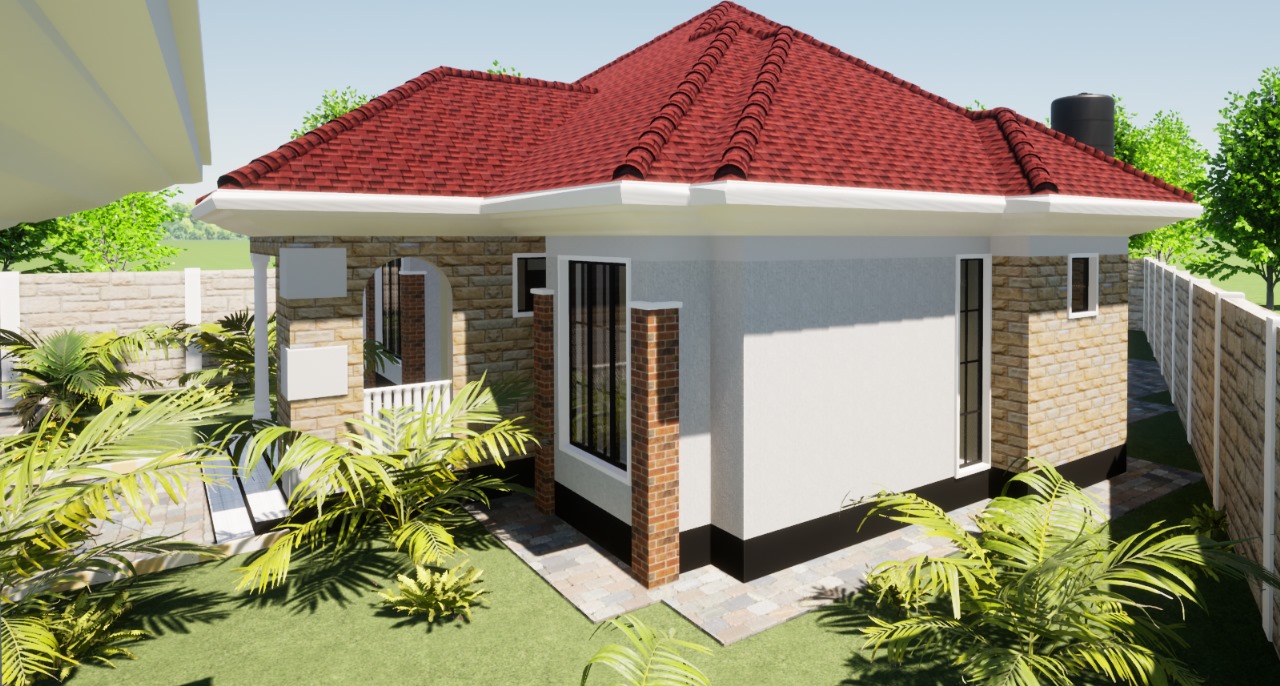
Material selection affects both aesthetics and structural performance on sloped sites. Lightweight yet durable materials reduce load on foundations, while weather-resistant finishes protect against moisture and soil contact. Choosing materials that integrate well with retaining walls, terraces, and multi-level decks helps create a cohesive and practical hillside home.
Drainage, Retaining Walls, and Soil Stability
Proper drainage and soil management are essential for long-term stability. Retaining walls, swales, and tiered landscaping prevent erosion while supporting driveways, outdoor platforms, and foundations. Planning these elements early avoids costly retrofits and protects the structure from water damage.
Landscape & Outdoor Integration Planning
Landscaping on sloped lots requires creative solutions such as tiered gardens, outdoor staircases, and retaining structures. Well-integrated outdoor spaces enhance usability, visual appeal, and soil stability while creating smooth transitions between indoor and outdoor living areas.
Integrating Multi-Level Outdoor Spaces
Natural slopes are ideal for terraces, patios, decks, and walkout levels that extend living areas outdoors. Split-level layouts or walkout basements create functional zones without heavy excavation, increasing usable space while preserving the land’s natural form.
Conclusion
Building a home on sloping land opens up unique opportunities for design, natural light, and outdoor living. With the right 3‑Bedroom House Designs For Sloping Land, you can enjoy panoramic views, multi-level layouts, and functional terraces that suit your lifestyle and terrain. By considering cost, design type, and construction tips, your hillside home can be both beautiful and practical.